Window Tinting for Heat Reduction: Improving Comfort and Fuel Efficiency
If you've ever climbed into your car after it's been sitting in a Texas parking lot for a few hours, you know the feeling. The steering wheel is too hot to touch, the seats burn through your clothes, and your AC blasts hot air for the first five minutes of your drive. This isn't just uncomfortable - it's costing you money in fuel and wearing out your interior faster than it should.
Window tinting heat reduction solves this problem in a way that most people don't fully understand until they experience it. At Georgetown Window Tint, we've been installing ceramic window films since 2017, and the difference it makes for daily drivers is real. We're not talking about a slight improvement - we're talking about blocking up to 98% of infrared heat while your car stays noticeably cooler and your AC works less.
The best part? This isn't just about comfort. Reducing heat load actually improves fuel efficiency because your air conditioning doesn't have to work as hard. Your interior lasts longer because UV rays don't fade your dashboard and seats. And you're not squinting through glare during your morning and evening commutes. Let's break down exactly how window tinting heat reduction works and why it matters for practical car owners.
Understanding Heat Reduction Mechanisms
How Infrared Heat Affects Your Vehicle
Heat comes into your vehicle in different ways, but the biggest culprit is infrared radiation from the sun. This invisible light passes right through regular glass and heats up everything inside your car. Your dashboard absorbs it, your seats soak it up, and the air temperature climbs fast.
Regular automotive glass blocks some UV rays but does almost nothing to stop infrared heat. That's why your car can feel like an oven even with the windows up. The glass lets in visible light so you can see, but it also lets in all that heat energy that makes driving miserable during the summer months.
Window tinting heat reduction works by adding a film that specifically targets infrared wavelengths. The ceramic particles in quality window tint act like a filter - they let visible light through so you can see clearly, but they reflect or absorb infrared heat before it enters your vehicle. This happens at the glass surface, stopping heat before it ever gets inside.
Ceramic Film Technology Explained
Not all window tinting provides the same level of window tinting heat reduction. The material matters significantly. At Georgetown Window Tint, we install XPEL Prime XR and Prime XR Plus ceramic films because they're engineered specifically for heat rejection.
Here's what makes ceramic different from older film types:
- Advanced ceramic technology designed for superior heat rejection
- Infrared heat blocking without excessive darkness
- UV blocking that protects both you and your interior
- Long-lasting clarity and performance over time
- Maintains visibility while reducing heat effectively
The XPEL Prime XR system blocks 88% of infrared heat. The Prime XR Plus steps it up to 98% infrared rejection. Both films accomplish this while maintaining good visibility and staying crystal clear. You're not sitting in a dark cave - you're just blocking the heat you don't want while keeping the light you need.
This technology represents a significant upgrade from dyed or metallic films. Those older options might look similar, but they don't perform nearly as well for actual heat reduction. Ceramic film delivers measurably better results for commuters dealing with daily heat exposure.
Fuel Efficiency Impact and Cost Savings
How AC Load Affects Gas Mileage
Your air conditioning system is one of the biggest power draws in your vehicle. When the AC compressor runs, it takes energy directly from your engine. That energy comes from burning fuel. The harder your AC works, the more fuel you burn just to stay cool.
Without window tinting, your AC fights a losing battle during summer. Heat pours in through the glass, warming your interior constantly. The AC runs at maximum capacity, trying to cool air that keeps getting heated by infrared radiation coming through your windows. It's inefficient and expensive.
Window tinting heat reduction changes this equation. When you block infrared heat at the glass, less heat enters your vehicle. Your interior stays cooler even when parked. When you start driving, your AC reaches comfortable temperatures faster and doesn't have to run as hard to maintain them.
Real-world impact on efficiency:
- Reduced AC compressor load means less engine power diverted from driving
- Lower interior temperatures require less cooling capacity
- Faster cooldown after parking means shorter periods of maximum AC usage
- Decreased fuel consumption during hot weather commuting
- An extended AC system lifespan from reduced continuous operation
The fuel savings add up over time, especially if you're driving in Texas heat for months on end. While we can't give you exact dollar amounts because it varies by vehicle and driving patterns, the principle is straightforward - less work for your AC means better efficiency overall.
Long-Term Interior Protection Value
Heat doesn't just make you uncomfortable. It actively damages your vehicle's interior. UV rays and infrared heat cause dashboards to crack, leather and vinyl to fade, and plastics to become brittle. This degradation happens gradually, but it's cumulative and irreversible.
Ceramic window tinting provides a protective barrier that blocks up to 99% of UV rays while simultaneously reducing heat. Your dashboard isn't getting baked at high temperatures every day. Your seats aren't fading from constant sun exposure. The materials inside your vehicle last longer and look better.
This protection has real financial value. Maintaining good interior condition helps preserve resale value. Potential buyers notice faded dashboards, cracked vinyl, and worn upholstery. They don't notice interiors that look newer than they should because they've been protected from heat and UV damage since day one.
Comfort Improvements for Daily Driving
Reducing Cabin Temperature Extremes
The temperature difference between a tinted and an untinted vehicle is noticeable the moment you open the door. With quality window tinting heat reduction, your interior stays significantly cooler when parked in direct sun compared to untinted vehicles.
The difference matters when you're getting in your car. The steering wheel is touchable. The seats don't burn. Your phone won't overheat sitting on the dashboard. And your AC reaches comfortable temperatures faster instead of making you suffer through the first several minutes of every drive.
For families with kids, this improvement is significant. Car seats get extremely hot in direct sunlight, and young children are more sensitive to heat. Keeping the interior cooler makes the vehicle safer and more comfortable for everyone. Pets left briefly in the car (with proper ventilation) also benefit from reduced heat buildup.
Commuters who make multiple stops throughout the day appreciate not having to endure scorching interiors repeatedly. Your car doesn't become a sauna between errands. The cooling effect is consistent and reliable.
Minimizing Sun Glare While Driving
Glare is more than annoying - it's a safety issue. Bright sunlight reflecting off road surfaces, other vehicles, and even your own dashboard creates visual interference that makes driving harder. You squint, strain your eyes, and potentially miss important details in traffic.
Window tinting heat reduction films also reduce glare by controlling how much light passes through your windows. You still have excellent visibility, but the intensity is reduced to comfortable levels. Morning and evening commutes become easier when you're not fighting the low sun angle that causes the worst glare conditions.
Benefits for visibility and safety:
- Reduced eye strain during long drives
- Better visibility in bright conditions without excessive squinting
- Diminished dashboard reflection on the windshield
- Improved ability to see traffic signals and road signs
- Less fatigue from constant glare exposure
The tinting doesn't make your windows so dark that you can't see at night. Quality ceramic films maintain visibility while cutting glare during daylight hours. This balance makes them practical for real-world driving conditions.
Film Selection Criteria for Best Results
Matching Tint Level to Your Needs
Window tinting comes in different darkness levels, measured by Visible Light Transmission percentage. Lower VLT percentages mean a darker tint. In Texas, front side windows must allow at least 25% of light to pass through, while back windows have no restrictions if you have dual side mirrors.
For window tinting heat reduction, darkness and heat rejection aren't the same thing. Ceramic films can block significant infrared heat while still allowing good visibility. You don't need a super dark tint to get great heat reduction - you need the right film technology.
XPEL Prime XR and Prime XR Plus films are available in multiple VLT options. You can choose a shade that meets legal requirements for front windows while still getting excellent heat blocking performance. Some people prefer a lighter tint for maximum visibility, while others want more privacy along with heat reduction.
Coverage options affect your results:
- The front two windows provide driver and passenger comfort
- All sides and the rear window create consistent cooling throughout
- Full windshield tinting maximizes heat reduction but requires proper shade selection
- Window strip on windshield targets glare from low sun angles
Most commuters and families find that doing all sides and the rear window provides the best balance of heat reduction, comfort, and value. Front windows alone help, but heat still enters through the rear glass.
Comparing XPEL Prime XR and Prime XR Plus
Georgetown Window Tint offers two ceramic film options because different drivers have different priorities. Both provide significant window tinting heat reduction, but they perform at different levels.
XPEL Prime XR blocks 88% of infrared heat. This is an excellent performance that makes a noticeable difference in vehicle comfort and AC efficiency. For most daily drivers, this level of heat rejection solves the problem. You'll feel cooler, your AC works better, and your interior stays protected.
XPEL Prime XR Plus takes it further with 98% infrared heat rejection. This is premium performance for drivers who want maximum heat blocking. The difference between 88% and 98% might seem small on paper, but in a Texas summer, every bit of additional heat rejection contributes to comfort.
How to decide between them:
- Consider how much time you spend in your vehicle daily
- Think about where you typically park (shade vs. direct sun)
- Evaluate whether you want maximum performance or solid value
- Factor in how sensitive you are to heat and temperature
Both films stay clear, block UV rays, and provide long-lasting performance. The choice comes down to whether you want very good heat reduction or the absolute best available. Either option represents a significant upgrade over untinted windows or older film technology.
Professional Installation vs. DIY Attempts
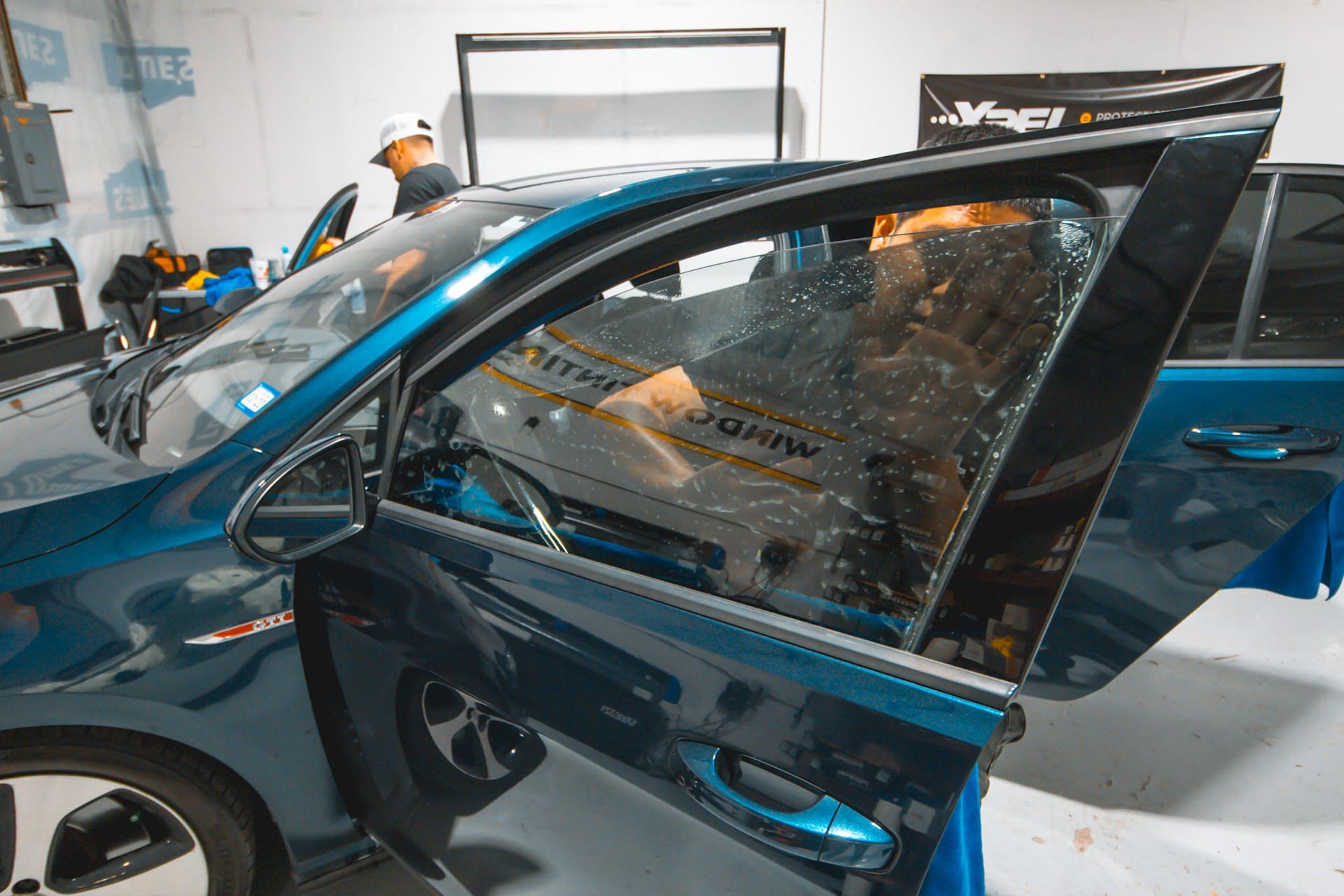
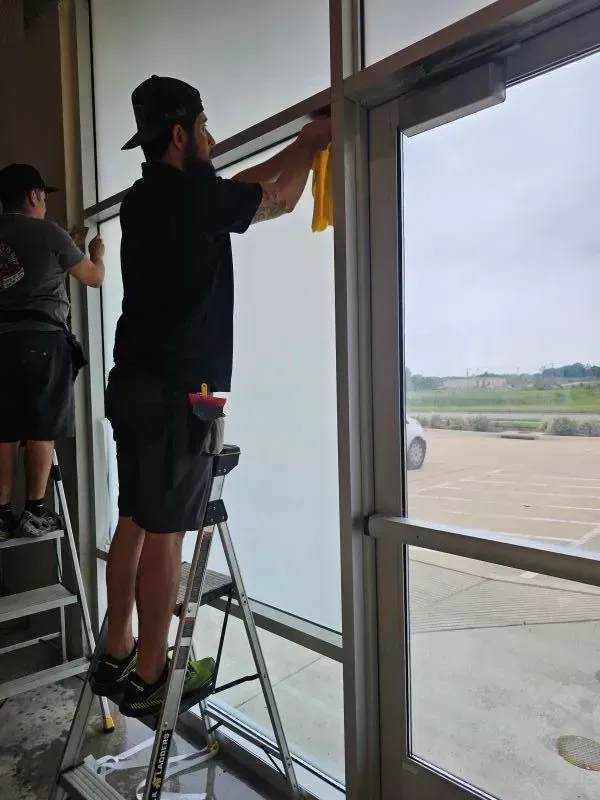
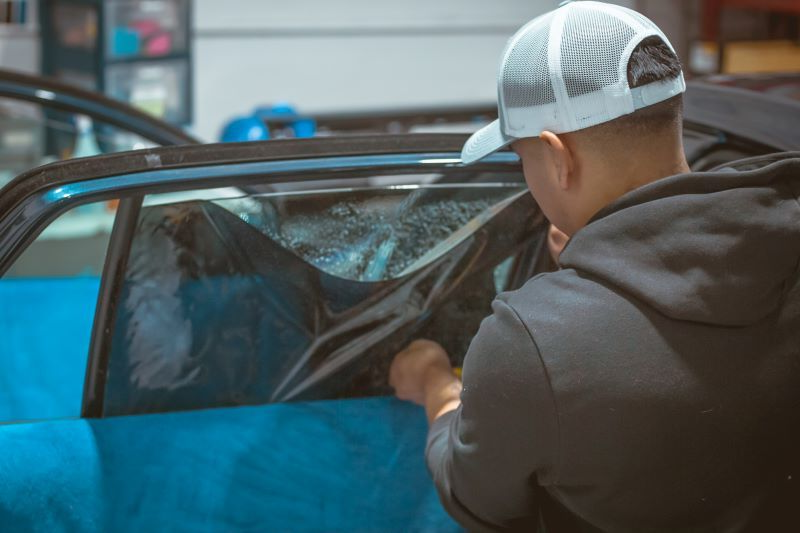
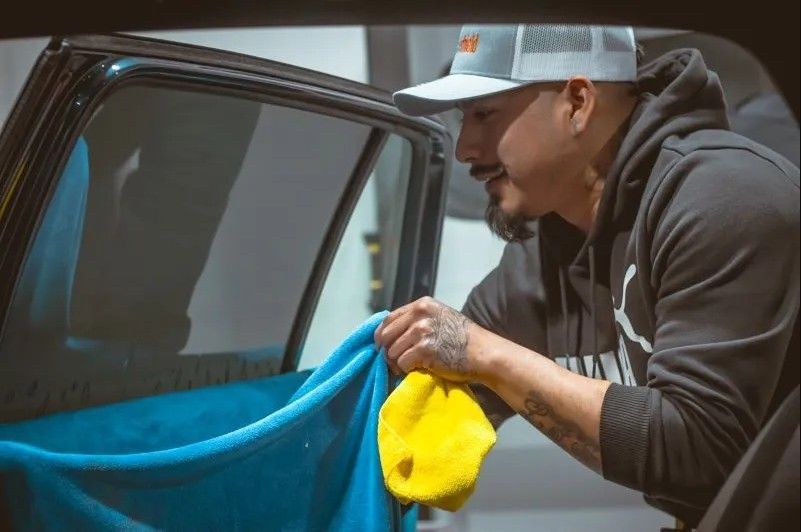
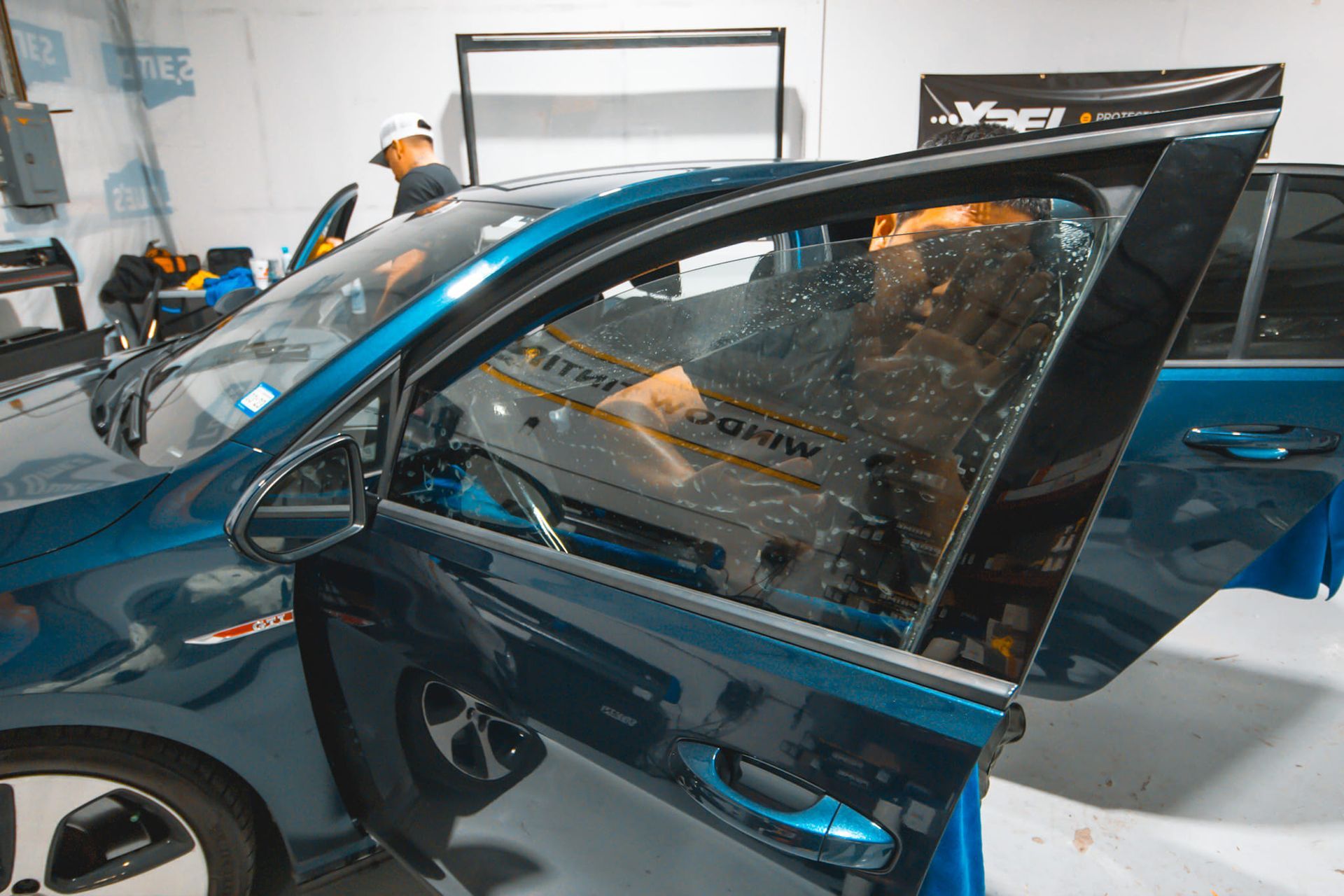
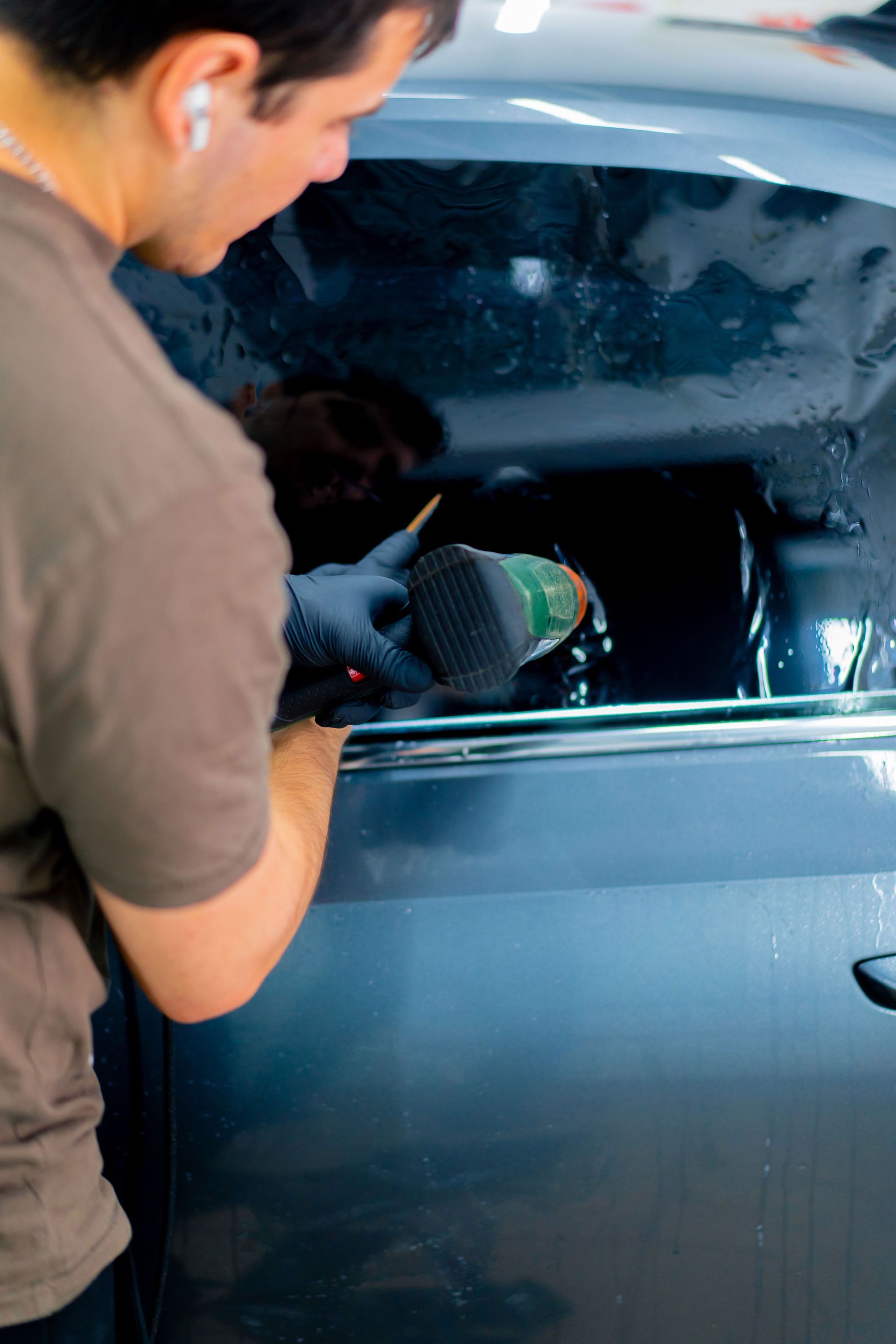
Window tinting heat reduction only works if the film is installed correctly. Poor installation creates bubbles, gaps, and contamination that reduce performance and look terrible. At Georgetown Window Tint, we've seen plenty of DIY jobs that needed to be stripped off and redone properly.
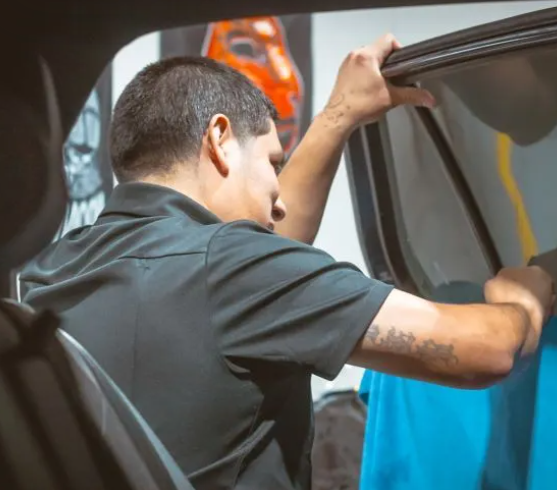
Professional installation means the film is cut precisely to fit your windows, applied without bubbles or contamination, and sealed properly at the edges. We work in controlled conditions where temperature and humidity stay consistent. This matters because it affects how the adhesive activates and how the film bonds to the glass.
The difference shows in the results. Professional installation looks seamless and performs as designed. DIY attempts often leave visible imperfections, don't last as long, and may not even provide the heat reduction you're expecting because the film isn't bonded correctly.
We're XPEL-certified installers with years of experience working on different vehicle makes and models. We know how to handle curved glass, complex window shapes, and the specific requirements of modern vehicles. That expertise ensures you get the full benefit of ceramic film technology.
Making Window Tinting Work for Your Situation
Whether you're a daily commuter tired of fighting heat, a parent concerned about keeping kids comfortable, or someone who wants to reduce fuel costs and protect your interior, window tinting heat reduction provides measurable benefits. The technology works, the results are noticeable, and the investment pays off through improved comfort and efficiency.
At Georgetown Window Tint, we serve drivers throughout Georgetown, Round Rock, Hutto, Liberty Hill, Jarrell, and Pflugerville. We understand Central Texas heat because we deal with it ourselves. The ceramic films we install are specifically chosen to handle these conditions while meeting legal requirements and delivering real performance.
If you're ready to stop suffering through hot vehicles and high AC bills, ceramic window tinting offers a proven solution. We can walk you through film options, explain what coverage makes sense for your vehicle, and provide professional installation that ensures you get the results you're looking for.
Want to experience the difference that window tinting heat reduction makes? Our team is ready to answer your questions and help you choose the right film for your needs. Visit ourcontact page to schedule a consultation and start driving cooler today.
Frequently Asked Questions
How much cooler will my car actually be with window tinting?
Window tinting heat reduction significantly lowers interior temperatures compared to untinted vehicles. The temperature difference is noticeable immediately when you open your door after the vehicle has been sitting in the sun. The exact difference depends on factors like outside temperature, how long the vehicle sits in direct sun, and which film you choose. XPEL Prime XR Plus with 98% infrared rejection provides the maximum cooling effect, while Prime XR with 88% rejection still delivers substantial improvement over untinted glass.
Will tinted windows interfere with my phone signal or GPS?
No. The ceramic films we install at Georgetown Window Tint contain no metallic content that would interfere with electronic signals. Older metallic window tints could cause problems with phone reception, GPS, and radio signals, but modern ceramic technology avoids this issue completely. Your phone, navigation system, satellite radio, and toll transponders all work normally with ceramic window tinting. This is one of the key advantages of ceramic over older film types.
Does window tinting really improve fuel efficiency?
Yes, window tinting heat reduction can improve fuel efficiency by reducing AC load. When your vehicle's interior stays cooler, your air conditioning doesn't have to work as hard to maintain comfortable temperatures. The AC compressor draws power from your engine, so reducing its workload means less fuel consumption. The exact savings vary based on your vehicle, driving conditions, and climate, but the principle is straightforward - less AC usage equals better efficiency. The impact is most noticeable during hot weather when you'd otherwise be running AC at maximum capacity.
How long does ceramic window tint last?
Quality ceramic window tint from XPEL, installed professionally, can last for many years. The films are designed to resist fading, peeling, and bubbling throughout their lifespan. Normal use, regular washing, and sun exposure won't significantly degrade the heat reduction properties or appearance. The exact duration depends on care and conditions, but you're looking at long-term protection rather than something you'll need to replace every few years. At Georgetown Window Tint, we use premium materials designed for durability in harsh Texas conditions.
Can I add ceramic coating over window tint for extra protection?
Window tinting and ceramic coating serve different purposes. Window tinting goes on your glass to reduce heat and UV exposure. Ceramic coating goes on your paint to protect the exterior and add gloss. They're complementary services rather than overlapping ones. Many customers choose both - tinting for interior comfort and heat reduction and ceramic coating for paint protection. Together, they provide complete vehicle protection inside and out. We can discuss combining these services to maximize your vehicle's protection and appearance.