Paint Protection Film for High-Impact Areas: Which Parts of Your Car Need It Most?
You want paint protection, but full vehicle coverage feels like overkill for your budget. Good news - strategic partial coverage delivers excellent protection value by focusing on areas that actually face the most damage. At Georgetown Window Tint, we help budget-conscious vehicle owners make smart protection decisions.
Paint protection film coverage areas matter because damage doesn't happen evenly across your vehicle. Certain surfaces face constant exposure, while others rarely encounter threats. Understanding this pattern helps you invest protection dollars where they count most.
Here's the practical approach - identify your highest-risk areas, protect those first, and expand coverage if budget allows later. This strategy gives you meaningful protection without unnecessary expense. Let's walk through which areas need protection most and why.
Why Partial PPF Coverage Makes Sense
Strategic Protection Philosophy
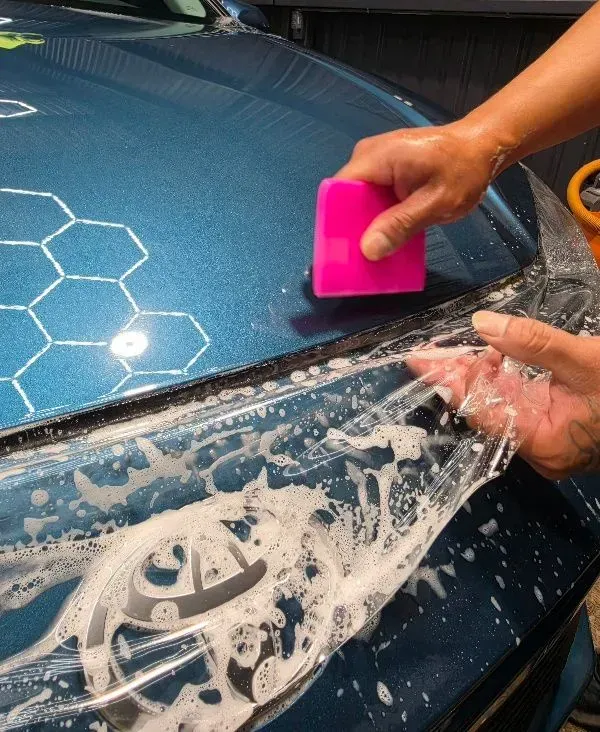
Full vehicle PPF coverage provides complete protection but costs accordingly. For many owners, partial coverage protecting high-impact zones delivers most of the benefit at a fraction of the investment.
Why partial coverage works:
- Damage concentrates in specific, predictable areas
- Front-facing surfaces take the most hits
- Strategic coverage addresses the most common damage
- Budget protection beats no protection
The goal isn't covering every surface - it's covering the surfaces that actually get damaged during normal driving.
Maximizing Protection Value
Smart protection planning matches coverage to actual risk. Your front bumper faces exponentially more road debris than your rear doors. Allocating protection budget to high-risk areas maximizes return on investment.
Value-focused thinking:
- Protect areas with the highest damage probability
- Address common driving hazards first
- Consider your specific driving patterns
- Build coverage over time if desired
At Georgetown Window Tint, we respect budget constraints and help owners design protection plans that make financial sense for their situations.
The Most Vulnerable Areas Explained
Front Bumper - The First Line of Defense
Your front bumper absorbs more impacts than any other surface. Every rock, road debris particle, and bug splatter hits here first. The bumper's position and angle make it a constant target during highway driving.
Why bumpers need protection:
- Directly faces the oncoming road debris
- Low position catches kicked-up particles
- Curved surfaces attract contaminants
- Parking lot contact zone
Front bumper protection represents the single highest-value PPF investment for most vehicles. If you protect nothing else, protect this.
Hood - Large Surface, High Exposure
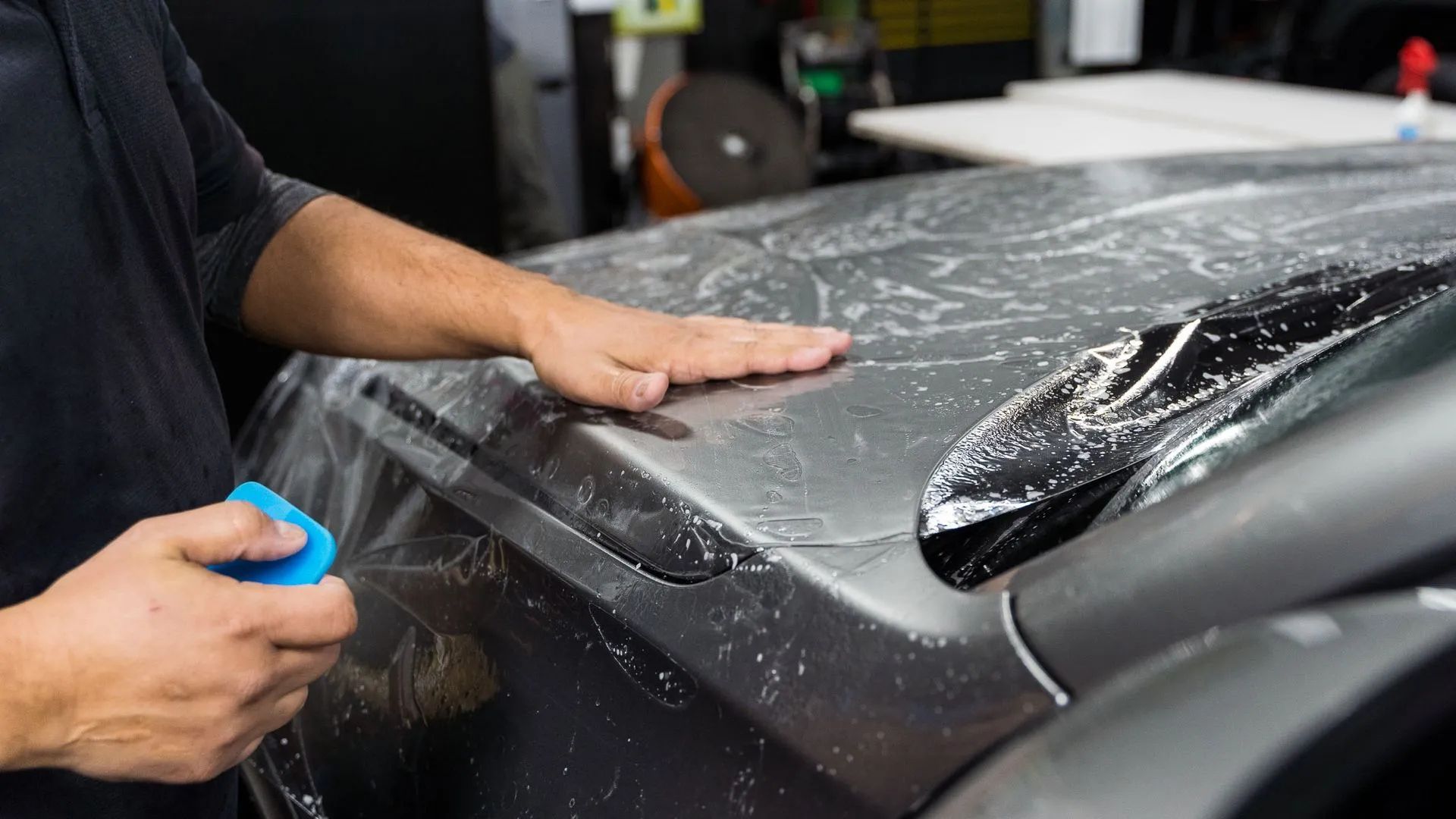
Your hood presents the largest forward-facing painted surface. Its size and angle mean it catches debris that clears the bumper. Highway driving creates continuous exposure across this entire area.
Hood vulnerability factors:
- Large surface area collecting impacts
- Angled position catching debris trajectory
- High visibility makes damage obvious
- Temperature stress from engine heat
Hood protection combined with bumper coverage addresses the majority of common paint damage scenarios.
Front Fenders - Side Impact Zone
Front fenders face debris kicked up by your own tires and vehicles in adjacent lanes. The wheel well area experiences particular exposure from tire spray and road particles.
Fender exposure includes:
- Debris from adjacent vehicle tires
- Self-inflicted damage from your own wheels
- Stone chips from the road surface
- Wheel well contamination spread
Extended coverage, including fenders provides more comprehensive front-end protection beyond just the bumper and hood.
Side Mirrors - Small but Exposed
Side mirrors extend beyond your vehicle's body, exposing them to debris and environmental factors. Their position makes them vulnerable to parking lot incidents and passing debris.
Mirror protection value:
- An extended position increases exposure
- A small surface makes damage highly visible
- Protection prevents visible imperfections
- Often overlooked in coverage planning
Mirror coverage adds meaningful protection to an often-overlooked area.
Door Edges - Contact Damage Zone
Door edges face damage from opening against obstacles - parking lot walls, adjacent vehicles, and garage items. This damage accumulates gradually through normal use.
Door edge considerations:
- Repeated opening and contact stress
- Parking lot adjacency risks
- Garage and home environment hazards
- Paint chips from minor contact
Understanding door edge vulnerability helps assess your vehicle's complete protection needs.
Rocker Panels - Lower Body Exposure
Rocker panels run along your vehicle's lower sides between wheel wells. This area catches debris kicked up by your own tires and faces exposure from road spray.
Rocker panel exposure:
- Direct line from tire debris ejection
- Low position collecting road spray
- Winter salt and sand accumulation
- Parking lot curb proximity
Knowing which areas face exposure helps prioritize your protection planning.
Understanding Your Vehicle's Damage Patterns
Daily Driving Considerations
Your driving patterns affect which paint protection film coverage areas matter most for your situation. Highway commuters face different threats than urban drivers.
Highway driving exposure:
- Constant high-speed debris contact
- Extended front-end bombardment
- Bug splatter accumulation
- Long-distance road film buildup
Urban driving exposure:
- Parking lot door ding risks
- Stop-and-go debris patterns
- Lower-speed but frequent impacts
- Tight-space maneuvering contact
Understanding your primary driving environment helps prioritize coverage areas.
Vehicle Type Considerations
Different vehicle styles present different vulnerability profiles. Your vehicle's shape affects where damage concentrates.
Sedans and coupes:
- Standard front-end exposure
- Lower hood angle catches debris
- Moderate ground clearance
SUVs and trucks:
- Higher hood position
- Different debris trajectory angles
- Larger front surface areas
- Potential for more rocker panel exposure
Sports cars and performance vehicles:
- Lower ride height increases exposure
- Aggressive front-end designs
- Higher-value paint is worth protecting
- Often driven more aggressively
Consider your specific vehicle when planning coverage priorities.
Tiered Protection Approaches
Essential Protection - Maximum Value
Essential coverage focuses on the absolute highest-impact areas - front bumper and hood. This approach delivers significant protection at the most accessible investment level.
At Georgetown Window Tint, our Essential Protection package covers exactly this - front bumper and full hood protection targeting where damage happens most frequently.
Essential coverage delivers:
- Protection for the highest-damage areas
- Accessible investment level
- Foundation for future expansion
- Meaningful daily protection
This tier suits budget-conscious owners wanting real protection without overextending financially.
Extended Protection - Comprehensive Front Coverage
Extended coverage adds mirrors, fenders, headlights, and fog lights to the essential package. This approach provides more complete forward-facing protection.
Our Full Front Protection Package includes a bumper, hood, mirrors, full front fenders, headlights, and fog lights for comprehensive front-end coverage.
Extended coverage adds the following:
- Side mirror protection
- Full front fender coverage
- Headlight and fog light film
- More complete front-end defense
This tier suits owners wanting thorough protection for all forward-facing painted surfaces.
Comprehensive Approaches
Beyond our standard packages, additional coverage options may be available based on your specific needs. During consultation, we can discuss what makes sense for your vehicle and priorities.
Custom coverage considerations:
- Your specific vehicle's vulnerable areas
- Driving patterns and exposure levels
- Budget and protection priorities
- Long-term ownership plans
Georgetown Window Tint can discuss coverage options matching your priorities and budget.
Making Smart Coverage Decisions
Assessing Your Priorities
Choosing paint protection film coverage areas starts with an honest assessment of your situation, concerns, and budget constraints.
Questions to consider:
- What's your primary driving environment?
- Where have you noticed damage before?
- What's your realistic protection budget?
- How long will you own this vehicle?
- What level of protection brings peace of mind?
Your answers guide appropriate coverage recommendations.
Building Coverage Over Time
Partial coverage doesn't mean permanent limitation. Many owners start with essential protection and add coverage over time as their budget allows.
Phased approach benefits:
- Immediate protection for critical areas
- Manageable initial investment
- Flexibility to expand later
- Protection is built over time
Starting with the bumper and hood, then adding fenders and mirrors later, represents a practical progression for budget-conscious planning.
Quality Over Quantity
Better protection in fewer areas beats thin protection everywhere. Professional installation with quality materials in strategic areas outperforms rushed full-coverage with inferior products.
Quality factors:
- XPEL-certified installation
- Premium film materials
- Controlled application environment
- Proper surface preparation
At Georgetown Window Tint, we install XPEL paint protection film using materials with self-healing properties and documented performance specifications.
Professional Installation Value
Why Installation Quality Matters
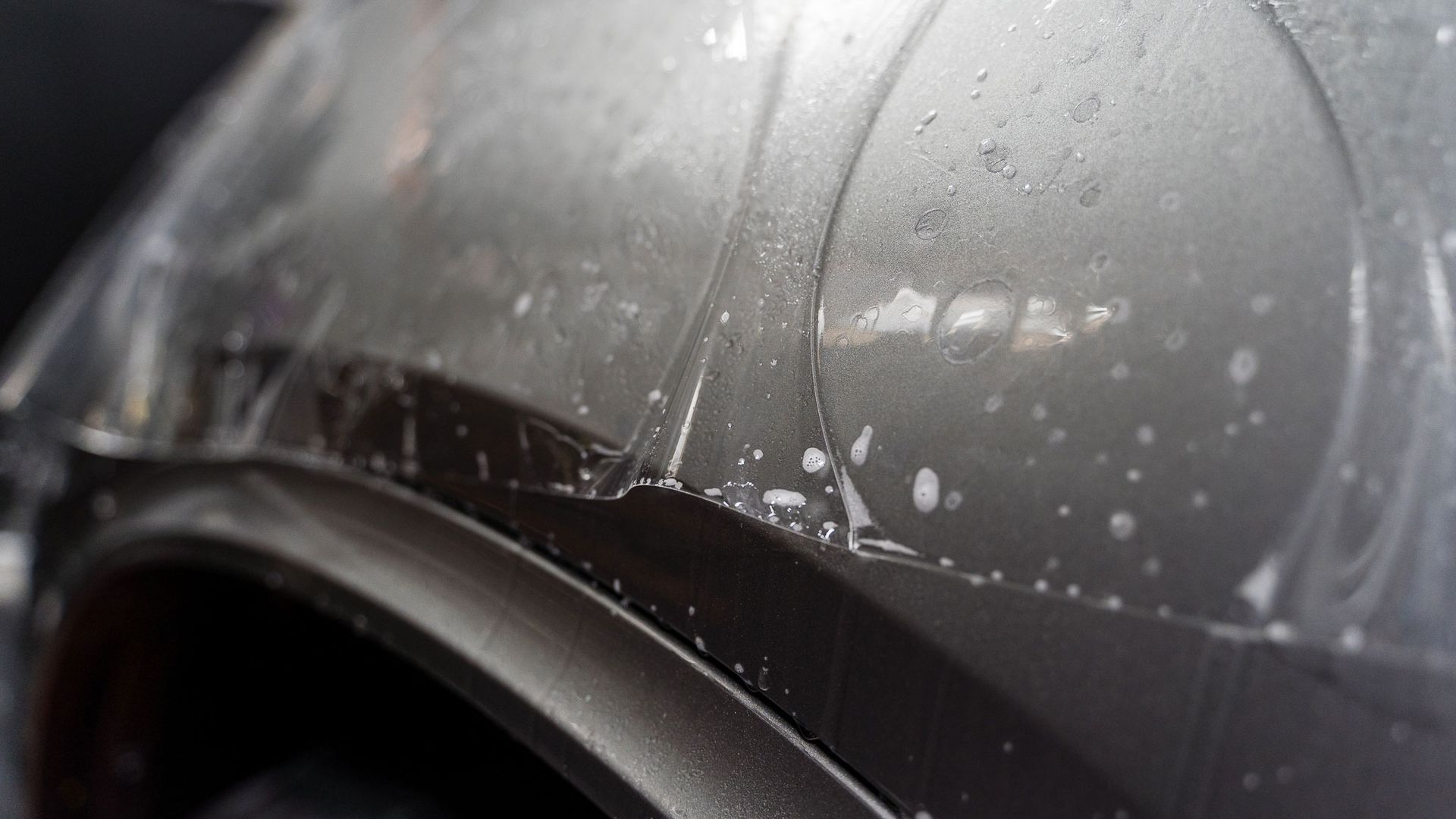
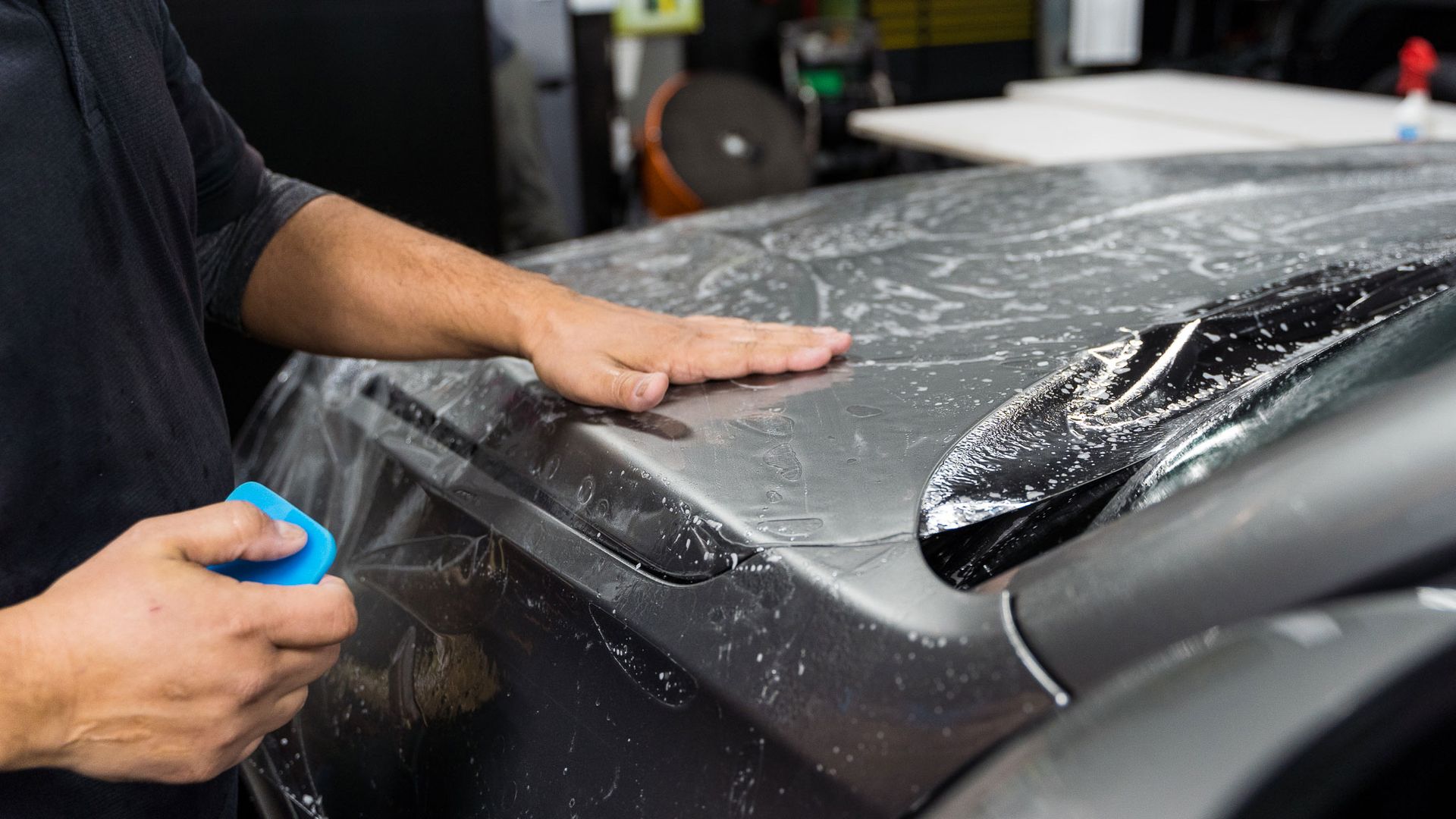
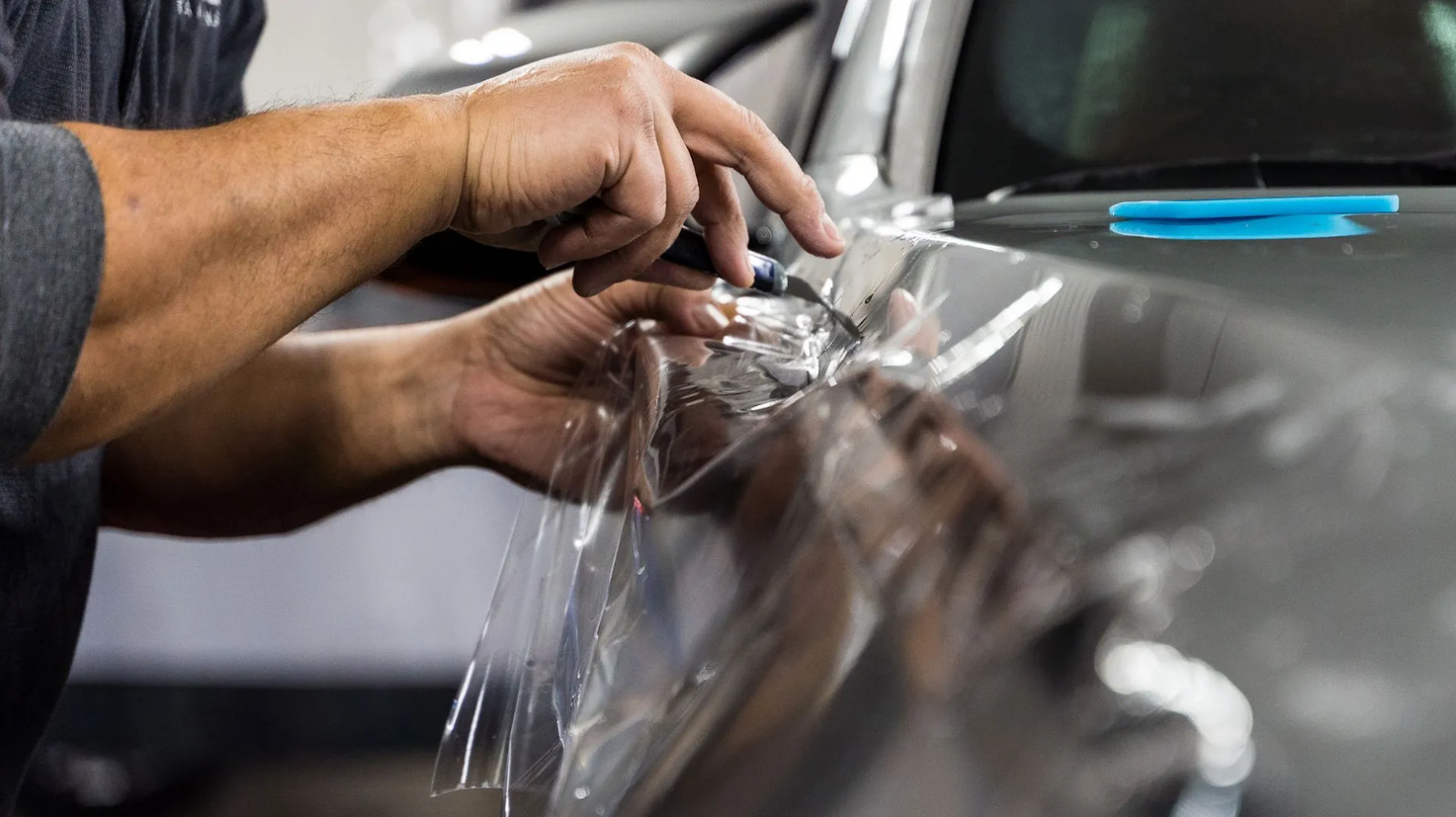
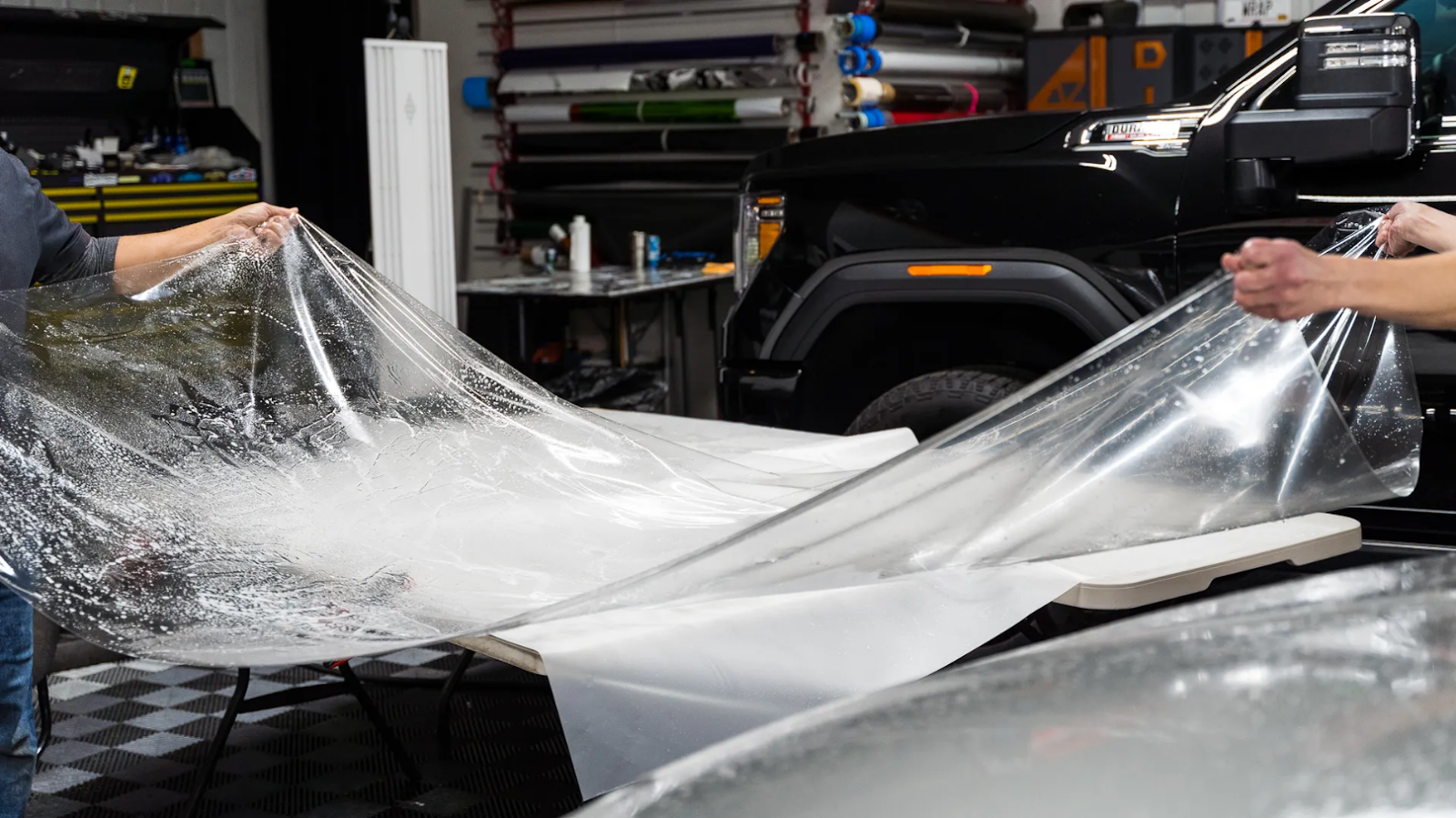
PPF performance depends heavily on installation quality. Proper surface preparation, controlled environment application, and skilled technique affect how well protection performs over time.
Professional installation ensures:
- Thorough surface cleaning and preparation
- Climate-controlled application conditions
- Precise film placement and edging
- Self-healing properties preserved
- Warranty coverage maintained
Our Georgetown facility maintains ideal conditions for PPF installation year-round.
XPEL Certification Benefits
XPEL certification means our technicians have completed manufacturer training on proper installation techniques. This expertise ensures your protection investment performs as designed.
Certification provides:
- Manufacturer-approved methods
- Proper material handling
- Quality installation standards
- Warranty backing validity
We've installed paint protection film for vehicle owners throughout Georgetown, Round Rock, Hutto, Liberty Hill, Jarrell, and Pflugerville since 2017.
Complementary Protection Services
Ceramic Coating Combination
Many owners combine PPF on high-impact areas with ceramic coating on the remaining surfaces. This approach provides impact protection where needed and appearance enhancement everywhere.
Combined approach benefits:
- PPF absorbs impacts on vulnerable areas
- Ceramic coating protects and enhances other surfaces
- Easier maintenance overall
- Complete vehicle protection system
This combination represents a smart middle ground between minimal protection and full PPF coverage.
Paint Correction Before Protection
If your vehicle has existing paint issues, paint correction before PPF installation ensures you're protecting restored surfaces rather than sealing in current imperfections.
Preparation value:
- Address existing damage first
- Protect corrected paint
- Best possible protected appearance
- Maximum protection value
We can assess your vehicle's current condition and recommend appropriate preparation before the protection application.
Designing Your Protection Plan
Strategic paint protection film coverage areas selection protects your vehicle without unnecessary expense. The right approach matches your driving patterns, budget constraints, and protection priorities.
Key considerations:
- The front bumper and hood face the most damage
- Extended front coverage adds fenders and mirrors
- Quality installation matters for any coverage level
- Building coverage over time works well
- Professional guidance helps optimize decisions
At Georgetown Window Tint, we help budget-conscious owners design protection plans that make sense. Our Essential Protection and Full Front Protection packages address common needs, and we can discuss custom approaches for specific situations.
Let's design a custom PPF protection plan that fits your budget and protects your vehicle's most vulnerable areas. Get your free assessment today.
Visit our contact page to schedule your consultation. We'll evaluate your vehicle, discuss your concerns, and recommend coverage that delivers maximum protection value for your investment.
Frequently Asked Questions
Is partial PPF coverage actually effective, or do I need full coverage?
Partial coverage on high-impact areas provides substantial protection for most drivers. Your front bumper and hood face the vast majority of road debris damage. Protecting these areas addresses the primary threat your vehicle encounters. Full coverage provides complete protection, but it isn't necessary for everyone. Strategic partial coverage delivers meaningful value without requiring full-vehicle investment.
Can I add more PPF coverage later if I start with just essential protection?
Yes, building coverage over time works well for budget-conscious planning. Starting with bumper and hood protection, then adding fenders, mirrors, or other areas later, provides immediate protection for critical zones while keeping the initial investment manageable. Professional installation allows seamless expansion of coverage as your budget allows.
Which package makes the most sense for daily highway commuting?
Highway commuters benefit most from comprehensive front-end protection since high-speed driving creates constant debris exposure. Our Full Front Protection Package, covering bumper, hood, mirrors, fenders, headlights, and fog lights, addresses the areas most affected by highway driving. This provides thorough protection for forward-facing surfaces that face continuous bombardment during commuting.
How do I decide between Essential Protection and Full Front Protection?
Consider your budget, driving patterns, and peace of mind requirements. Essential Protection covering the bumper and hood addresses the highest-damage areas at an accessible investment. Full front protection adds mirrors, fenders, and lights for more comprehensive coverage. Highway commuters and owners wanting thorough protection typically prefer Full Front. Budget-focused owners wanting meaningful protection often start with Essential and consider expanding later.