Common Window Tint Mistakes That Cost Homeowners Money
You're considering window tinting and want to get it right the first time. At Georgetown Window Tint, we've worked with professionals who learned the hard way through failed installations, legal complications, or wasted money on work that needed redoing.
Window tint mistakes aren't just frustrating - they're expensive. You pay once for bad work, then again to fix it. Most mistakes fall into predictable patterns: choosing price over quality, skipping legal compliance research, and accepting vague warranties. Let's walk through the most common and expensive errors so you can avoid them.
Choosing Installers Based Solely on Low Price
Why Bottom-Dollar Options Backfire
The lowest-priced installer typically cuts corners on materials, expertise, or working conditions.
What Gets Compromised:
- Lower-grade films that fade quickly
- Work in uncontrolled environments
- Minimal surface preparation
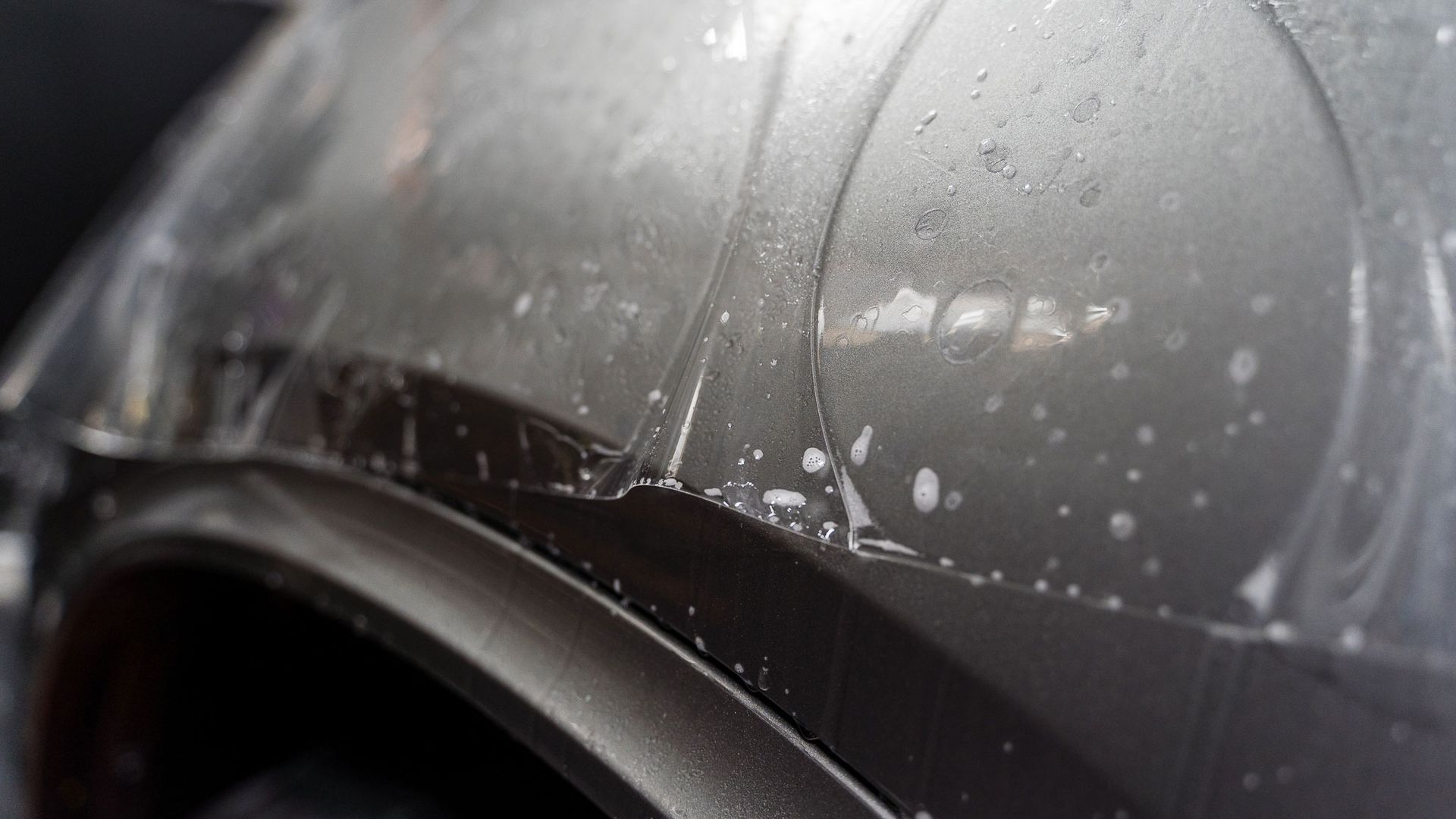
- Poor edge work is causing peeling
Financial reality? You'll pay to remove failed work and reinstall properly - double the initial cost.
What Quality Installation Delivers
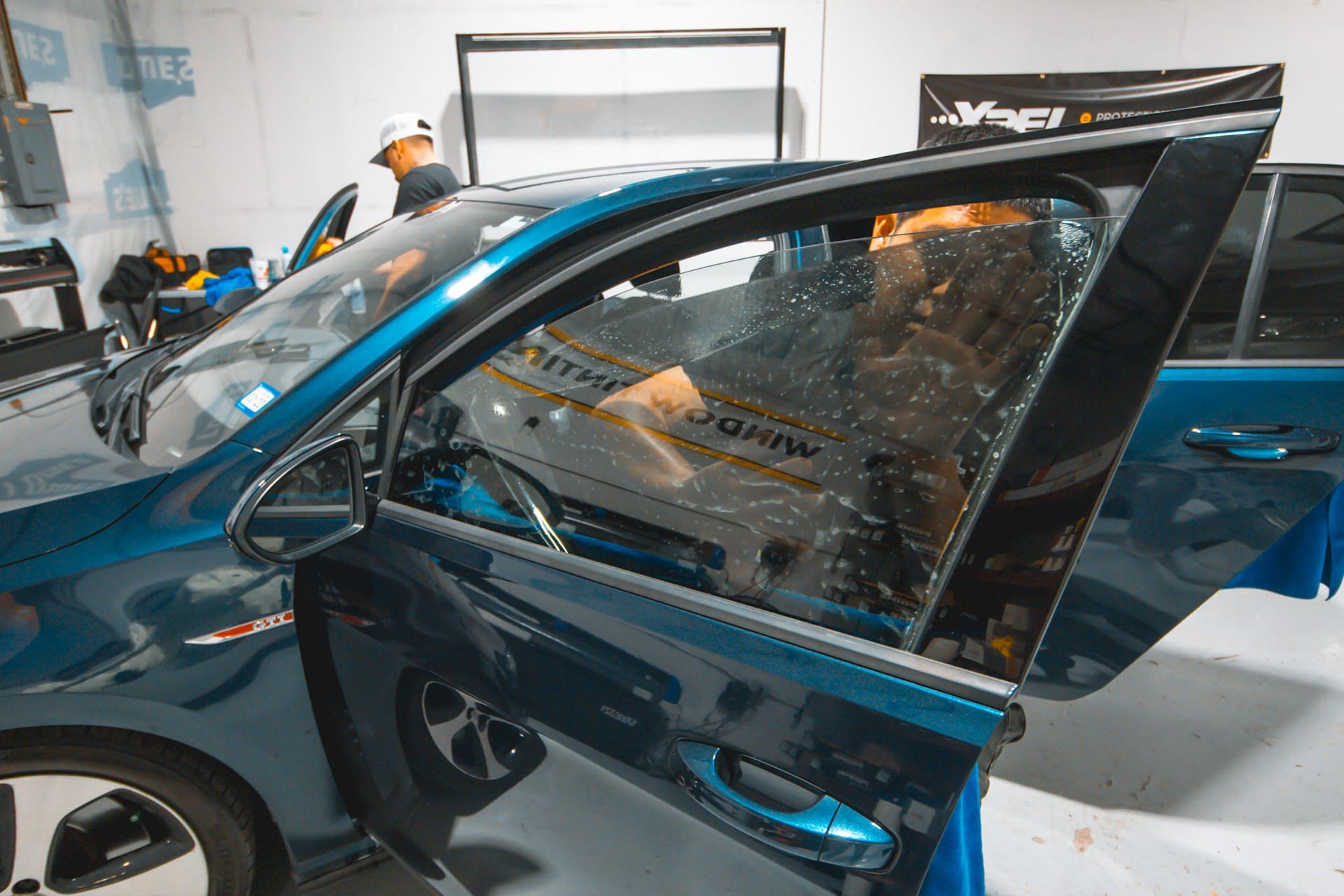
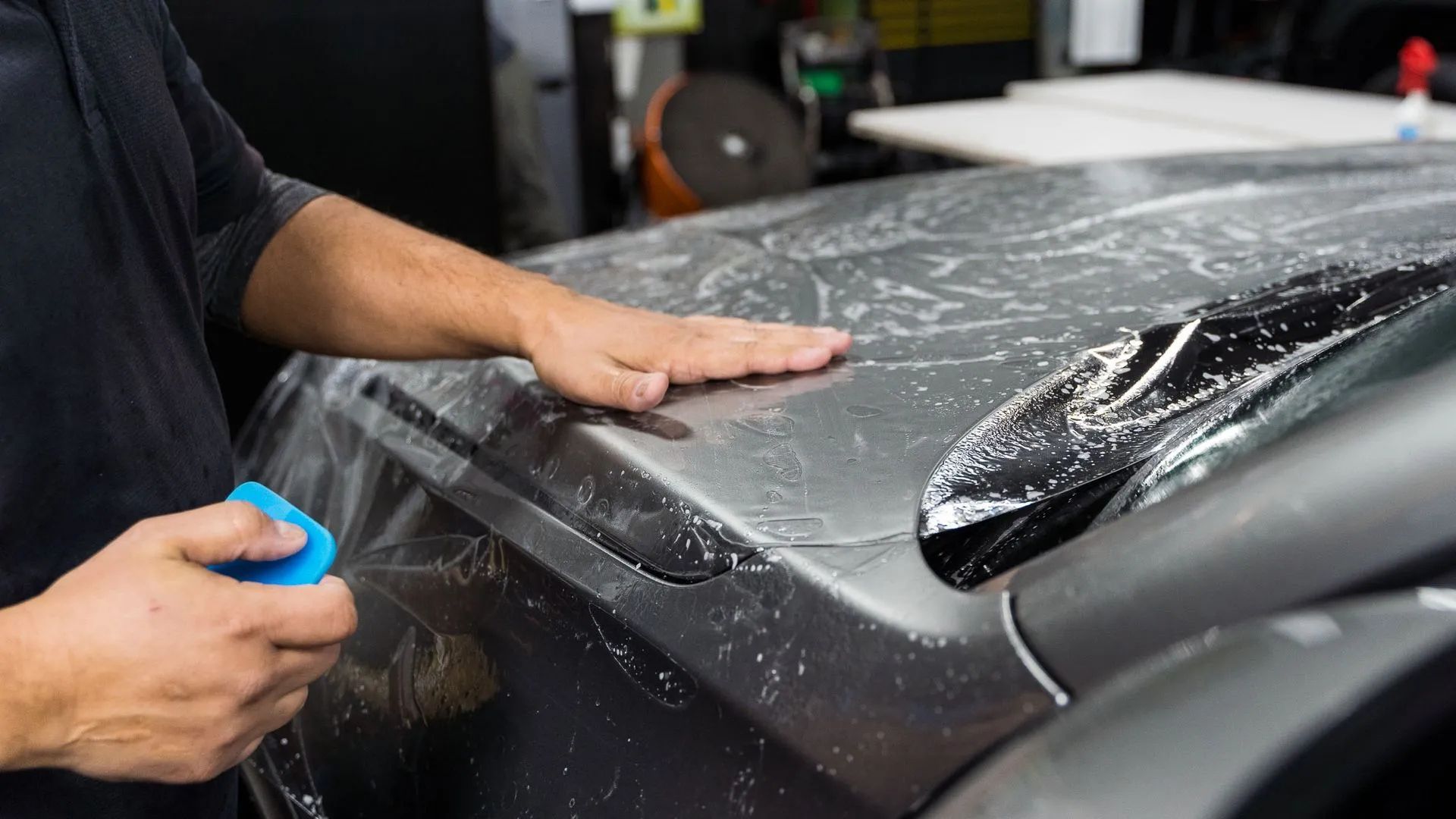
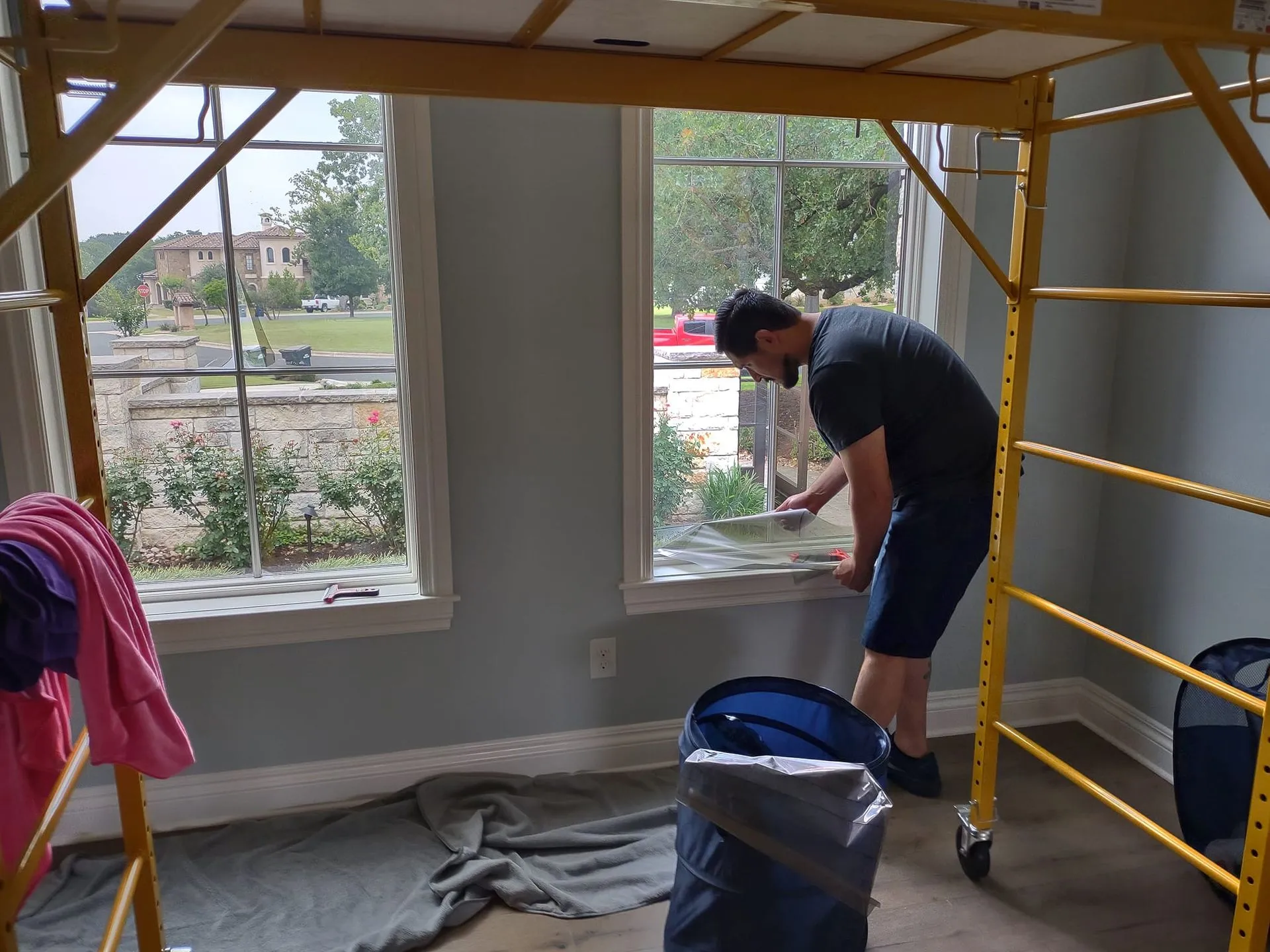
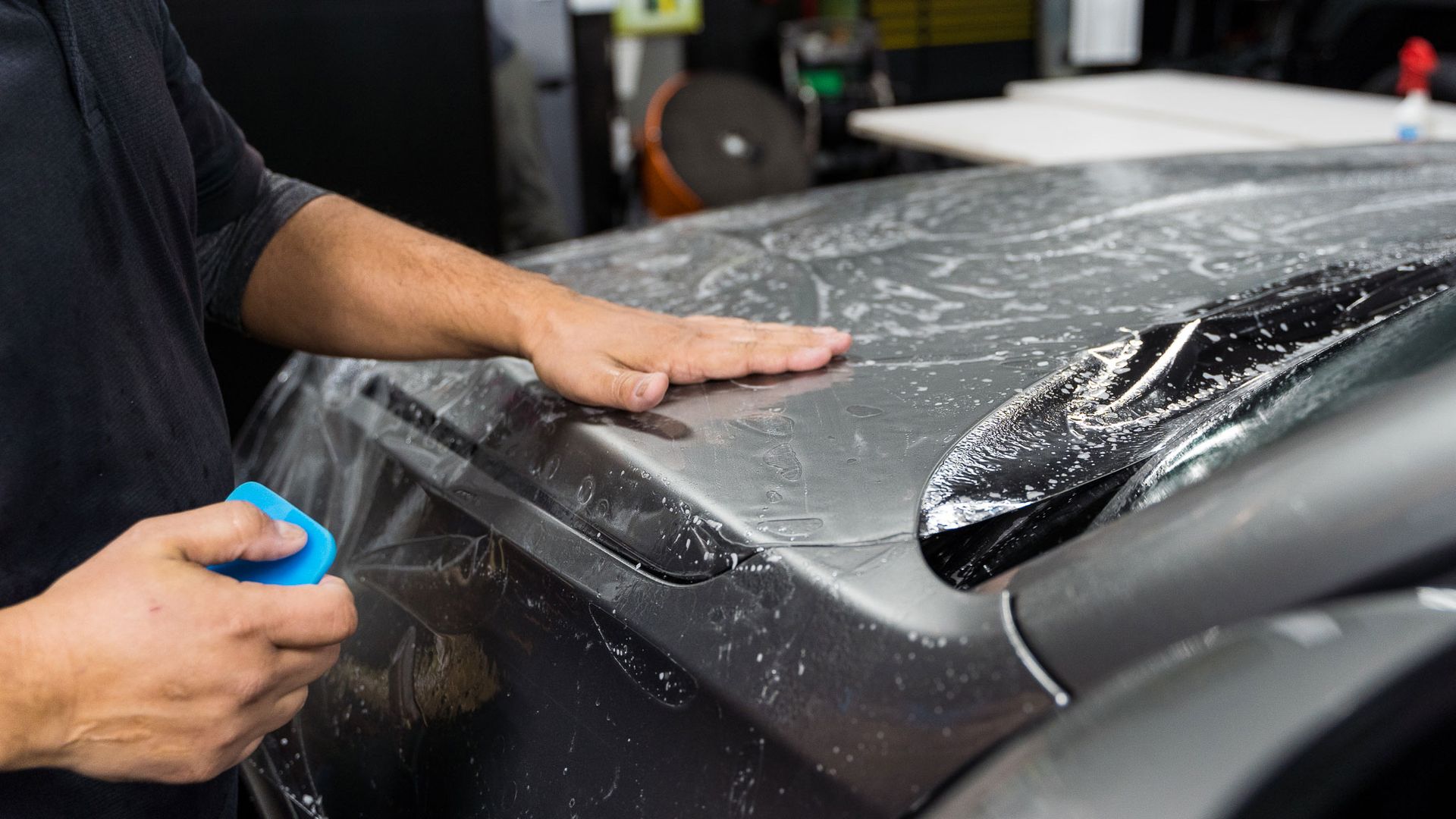
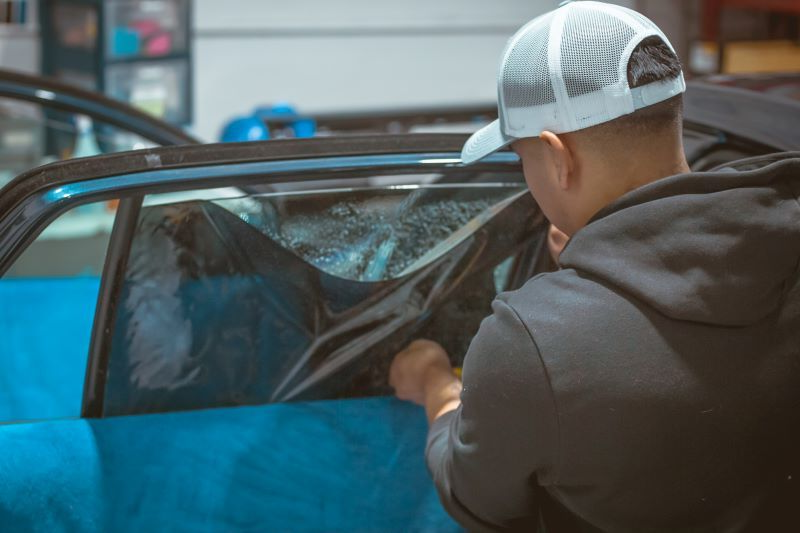
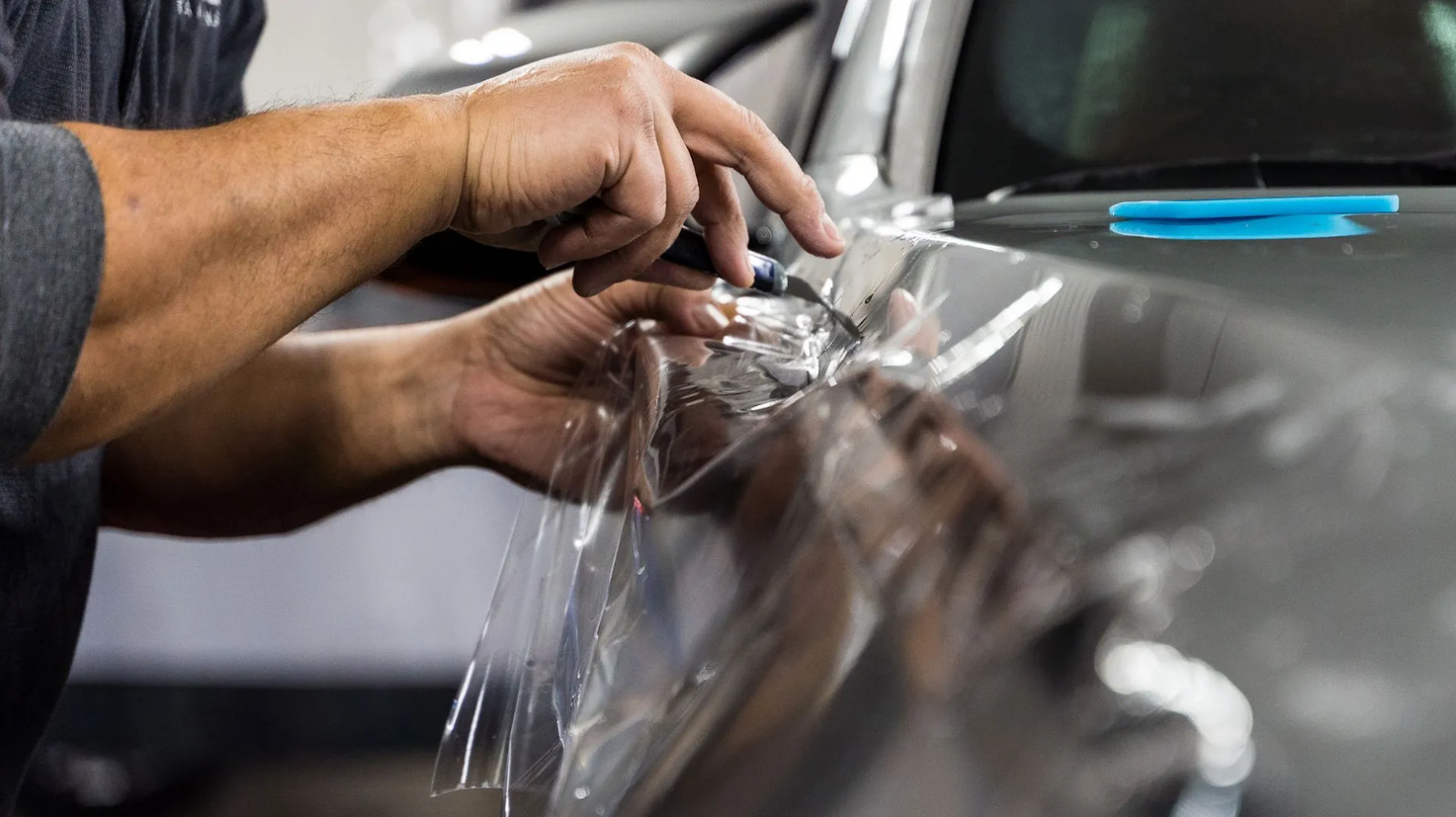
Professional window tinting costs more because it includes proper surface preparation, climate-controlled application, precision cutting, and warranty backing. At Georgetown Window Tint, XPEL certification means proper training and quality materials.
The difference shows immediately and lasts for years.
Ignoring Legal Compliance Requirements
VLT Violations Create Ongoing Problems
In Texas, front side windows must allow at least 25% light transmission. Window tint mistakes involving legal compliance create citations, failed inspections, and removal requirements.
Cheap installers often ignore compliance, installing whatever darkness you request. You're left holding responsibility for illegal modifications.
Beyond Darkness Regulations
Regulations also address reflectivity limits. Professional installers know current rules and offer only compliant options.
For residential window tinting, homeowner associations may have appearance restrictions. Research requirements before installation.
Accepting Poor Quality Film Materials
Quality Determines Longevity
Budget materials fail faster, requiring replacement within a few years. Premium films last significantly longer with better performance.
Dyed films achieve darkness but offer limited heat rejection and fade over time. Ceramic films provide superior heat rejection, maintain clarity, and last much longer. The cost difference matters less when you factor in replacement frequency.
Verifying What You're Getting
Many window tint mistakes involve vague product descriptions. Protection strategy: request exact manufacturer and product names, research specifications independently, and verify warranty terms.
Overlooking Warranty Details
Warning Signs in Coverage
Legitimate warranties specify exactly what's covered. Vague promises without documentation mean nothing when problems occur.
Red Flags: No written documentation, excessive exclusions, unclear claims process, verbal promises only.
Proper Warranty Protection
Quality tinting includes the manufacturer's warranty on materials and the installer's warranty on workmanship. Coverage should specify defects covered, a clear timeframe, the claims process, and transferability.
We provide written warranty documentation because our XPEL-certified installation and materials deserve that backing.
Accepting Installation in Improper Conditions
Environment Matters for Quality Results
Temperature and humidity affect how tint adheres and cures. Dust and airborne particles contaminate wet film during application. Professional installations happen in controlled environments specifically designed for the work.
Warning Signs of Inadequate Conditions:
Outdoor or Open Garage Work:
- No temperature control
- Dust and debris exposure
- Humidity fluctuations
- Wind-blown contamination
Proper Installation Environment:
- Enclosed climate-controlled space
- Consistent temperature and humidity
- Clean air free from particles
- Adequate lighting for precision work
Mobile installations for commercial window tinting can work if the installer brings proper equipment and the work area meets requirements. Driveway installations almost never produce professional results.
Surface Preparation Requirements
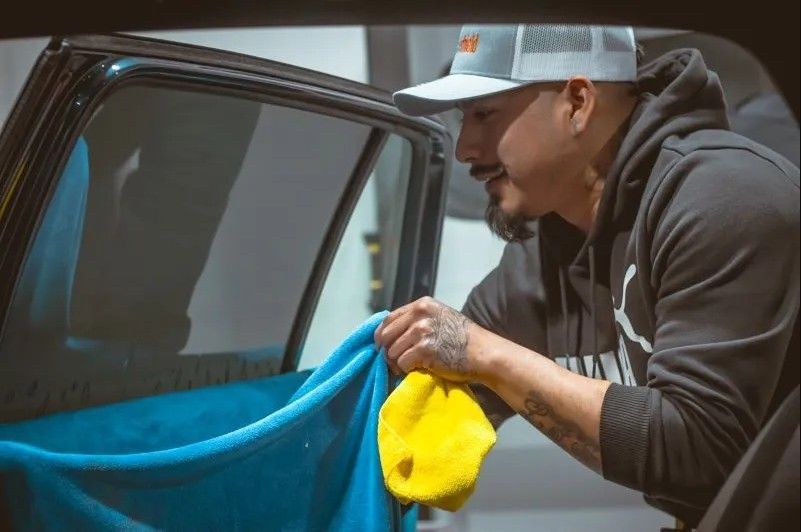
Glass must be thoroughly cleaned before film application. Oils, residue, and embedded particles prevent proper adhesion and show through the finished installation.
Professional preparation includes:
- Multiple cleaning steps with proper solutions
- Clay bar treatment removing embedded contaminants
- Final inspection before application begins
- Attention to edges and corners
- Verification of a completely clean surface
Rushed installations skip thorough preparation. The time saved upfront costs you later through adhesion failures and visible defects.
Making Timing and Seasonal Mistakes
Rushing Installation Decisions
One common pattern among window tint mistakes is rushing the decision without proper research. You get quotes, pick the cheapest or fastest option, and hope for the best.
Better approach:
- Research multiple installers thoroughly
- Verify credentials and certifications
- Check references and previous work
- Ask detailed questions about materials
- Review warranty documentation carefully
- Compare offerings beyond just price
Taking time to evaluate options prevents expensive corrections later. The installer who can start immediately might lack proper scheduling because they lack customers - that's often a warning sign.
Seasonal Consideration Factors
Extreme temperatures affect installation quality. Very hot or very cold conditions create challenges for proper adhesion and curing. Professional installers account for these factors.
Optimal Installation Conditions:
- Moderate temperature ranges
- Controlled humidity levels
- Stable environmental conditions
- Proper curing time before exposure
Our Georgetown shop maintains ideal conditions year-round, eliminating seasonal variables that compromise quality.
Questions to Ask Before Committing
Protecting Yourself Through Due Diligence
Avoiding window tint mistakes requires asking the right questions and verifying answers:
About Materials:
- What specific film manufacturer and product?
- What are the documented performance specifications?
- How does this film perform in the Texas climate?
- What warranty does the manufacturer provide?
About Installation:
- Where does installation actually occur?
- What preparation steps are included?
- What certifications do installers hold?
- Can I see examples of previous work?
About Protection:
- What warranty coverage is provided?
- Is warranty documentation written?
- What's the process for warranty claims?
- How long has the company been in business?
Legitimate installers answer these questions clearly with documentation. Evasive or vague responses indicate problems.
Red Flags Requiring Caution
Certain warning signs indicate probable issues:
- Pressure to commit immediately without research time
- Unwillingness to provide references or examples
- Can't specify exact products being installed
- Work performed in uncontrolled locations
- Verbal promises without written documentation
- Significantly lower pricing than all competitors
- No business permanence or established location
Trust your instincts. If something feels wrong, it probably is.
Making an Informed Decision
When you're ready for window tinting, protect your investment by choosing quality over convenience. At Georgetown Window Tint, we've served professionals throughout Georgetown, Round Rock, Hutto, Liberty Hill, Jarrell, and Pflugerville since 2017. Our XPEL certification, controlled facility, and proper materials deliver results that last.
The difference between cheap work and professional installation shows immediately and compounds over time. You're either paying once for quality or paying twice to fix mistakes. The choice seems obvious when you understand what's actually at stake.
Want guidance on evaluating tinting services and avoiding common mistakes? We'll walk through your specific situation, answer your questions, and provide clear information about materials, installation process, and warranty coverage. No pressure, just honest information helping you make the right decision.
Visit our contact page to schedule a consultation where we address your concerns and ensure you're making an informed choice about window tinting.
Frequently Asked Questions
What's the biggest mistake first-time window tint buyers make?
Choosing based solely on price rather than evaluating total value. The cheapest option typically means compromised materials, poor installation conditions, or inadequate warranty protection. This costs significantly more long-term when you pay to remove failed work and reinstall properly. Smart buyers compare installer credentials, material quality, warranty coverage, and installation environment alongside pricing.
How can I verify that an installer is actually certified?
Request specific certification details - which manufacturer, what training completed, and when certified. XPEL certification means the installer has completed the manufacturer's training programs. You can verify credentials directly with manufacturers. Be wary of vague claims about "certified" without specifics. Legitimate professionals provide documentation and welcome verification.
What should I do if I notice problems after installation?
Document issues with photos immediately. Review your warranty coverage and contact the installer following their claims process. Legitimate companies address defects covered under warranty. If the installer is unresponsive or no longer in business, this demonstrates why choosing established professionals with proper warranty backing matters. Quality installations rarely have issues, but when they occur, proper warranty coverage protects you.
Is it worth paying more for ceramic over dyed film?
For long-term value, ceramic film justifies a higher initial investment through superior performance and extended lifespan. Ceramic blocks significantly retain heat, don't fade or discolor, and last much longer. Dyed film saves money upfront but requires replacement sooner and performs worse. Calculate total cost over your ownership or residence period, not just initial expense. For most situations, ceramic delivers better value.