The Science Behind Self-Healing Paint Protection Film Technology
You've probably heard about self-healing paint protection film and wondered if it's actually real or just marketing hype. Here's the truth - it works, and the science behind it is pretty impressive. Modern PPF uses advanced materials that can repair themselves when damaged, and if you're serious about protecting your vehicle's paint, understanding how this technology functions changes everything.
At Georgetown Window Tint, we've been installing XPEL's self-healing films since 2017, and we've seen firsthand how this stuff performs on vehicles driven hard in Central Texas conditions. Technology isn't magic - it's chemistry and material science working together. When you know what's happening at a molecular level, you start to appreciate why self-healing paint protection film has become the standard for serious car protection.
This isn't your grandfather's clear bra. The old films from 10 or 15 years ago would yellow, peel, and show every little scratch. Today's self-healing PPF is a different animal altogether. It stays clear, handles impacts better, and those minor scratches that used to drive you crazy just disappear. Let's break down exactly how that happens.
Understanding the Core Technology
What Makes PPF Self-Healing
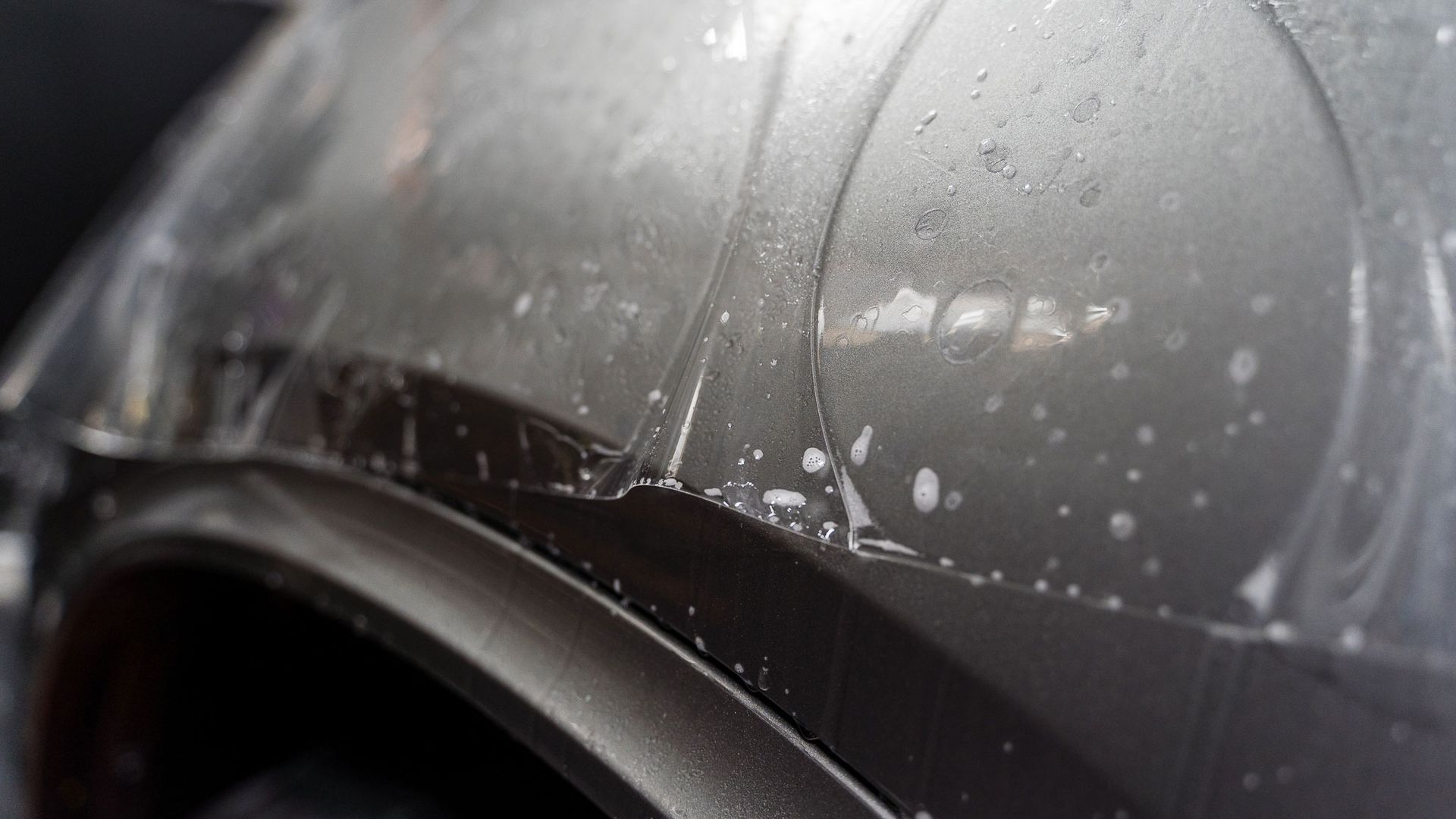
The secret sits in the advanced urethane construction of the film itself. Self-healing paint protection film is built with materials designed to return to their original smooth state after being damaged. When something scratches the surface, the film material wants to flow back into position and fill in the scratch.
Think of it like this - the surface of the film has flexibility built into it. Minor scratches don't permanently damage the material. Instead, they temporarily displace it. Given the right conditions, that displaced material moves back to where it was, making the scratch disappear.
What makes this work:
- Thin, transparent polyurethane layer applied to your painted surfaces
- Advanced film acting as a protective barrier against road debris and hazards
- Self-healing properties that allow the surface to repair minor scratches
- Clear, seamless appearance that integrates with your vehicle's finish
- Durable construction designed to last for years
The film stays bonded to your paint through temperature changes and weather exposure while providing that protective barrier your clear coat needs.
The Healing Process Activated
Temperature triggers the healing effect. When heat hits the scratched area, it activates the film's self-healing properties. The material starts moving and repositioning itself, gradually filling in the scratch until the surface is smooth again. You can see this happen when you apply heat to a fresh scratch.
Most minor scratches will heal on their own just from normal sun exposure. Your car sits in the Texas heat, and that warmth activates the healing process. Within hours or days, depending on the scratch depth, the mark fades away. For deeper scratches, you can speed things up with a heat gun or even hot water.
The film is designed so that minor surface damage doesn't become permanent. Heat gives the material what it needs to flow back into place and restore the smooth surface.
Performance in Real-World Conditions
What Self-Healing PPF Actually Stops
Let's get specific about what this film handles. Road debris is the main enemy - gravel kicked up by trucks, rocks on highways, and sand and dirt that sandblasts your paint at speed. Self-healing paint protection film creates a sacrificial barrier that takes the hit instead of your clear coat.
Bug splatter and bird droppings are another issue. These contaminants sit on the surface and can affect your paint if left too long. PPF creates a protective barrier that takes the impact instead of your clear coat.
Shopping cart dings, car wash brush marks, light surface abrasions from dust and dirt - all of this gets handled by the self-healing properties. You're not going to fix key scratches or major gouges. But the everyday wear that accumulates on a daily driver basically becomes invisible.
What you need to understand is the healing capability has limits:
- Surface scratches up to a certain depth heal completely
- Scratches that penetrate through the clear coat layer won't heal
- Cuts or tears in the film require professional repair or replacement
- Impact damage that deforms the base layers may not fully recover
- Chemical damage from harsh solvents can affect healing properties
The film is tough, but it's not indestructible. Think of it as exceptional protection against common hazards rather than a force field against all damage.
How It Compares to Traditional Films
Older PPF technology didn't have self-healing properties. Once you scratched it, the mark stayed visible. This meant films would look progressively worse over time as scratches accumulated. Eventually, you'd remove the yellowed, scratched film and start over.
Modern self-healing films change that equation completely. The surface stays clearer longer because minor damage disappears. The film maintains that "new" appearance for years instead of months. And because the top layer continually refreshes itself, you don't get the buildup of micro-scratches that clouds older films.
The difference shows up in how long the film looks good. Traditional films might look decent for a year or two before scratches made them obvious. Self-healing paint protection film can maintain clarity for 5 to 10 years depending on care and conditions. That extended lifespan changes the value proposition significantly.
Installation and Long-Term Maintenance
Why Professional Application Matters
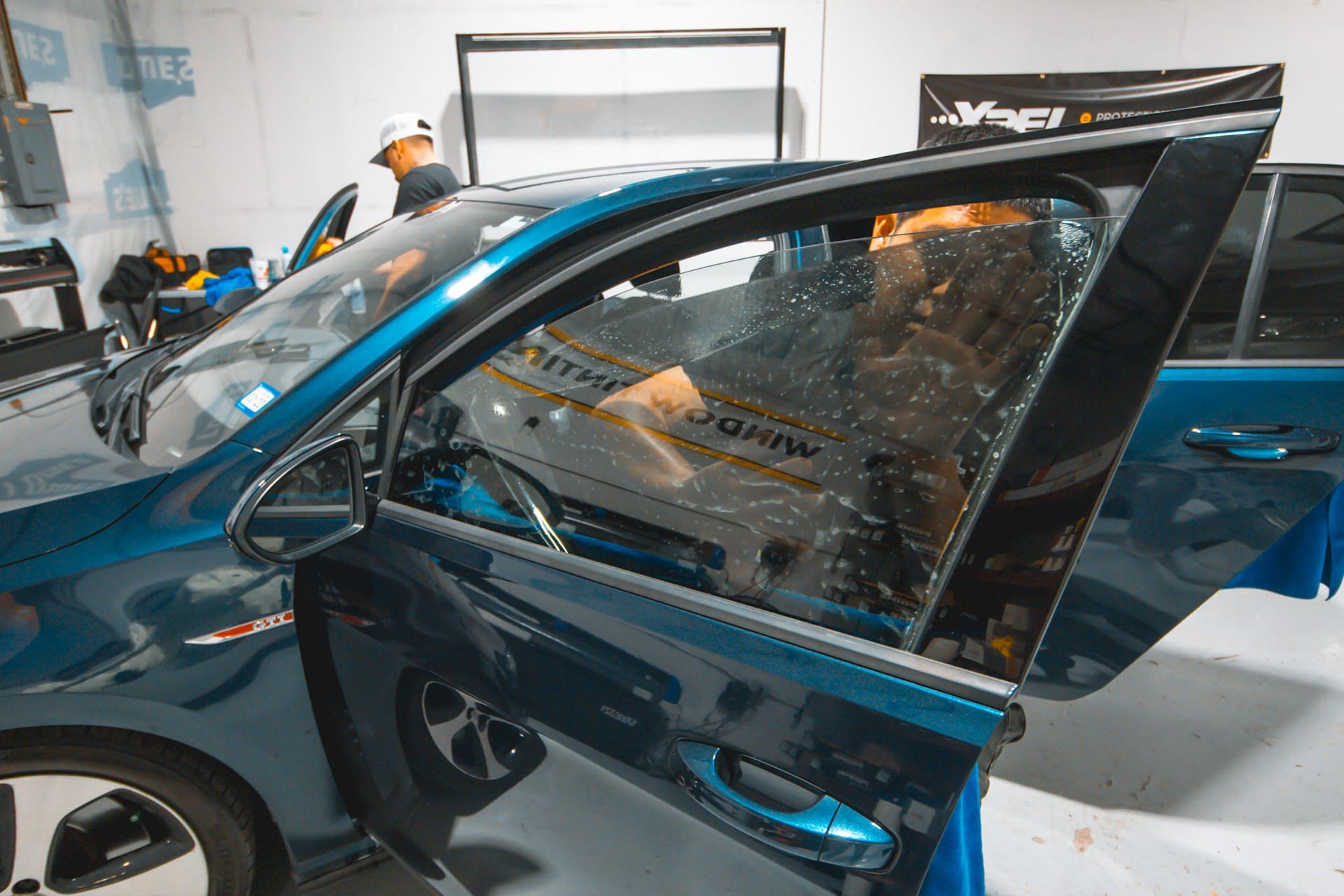
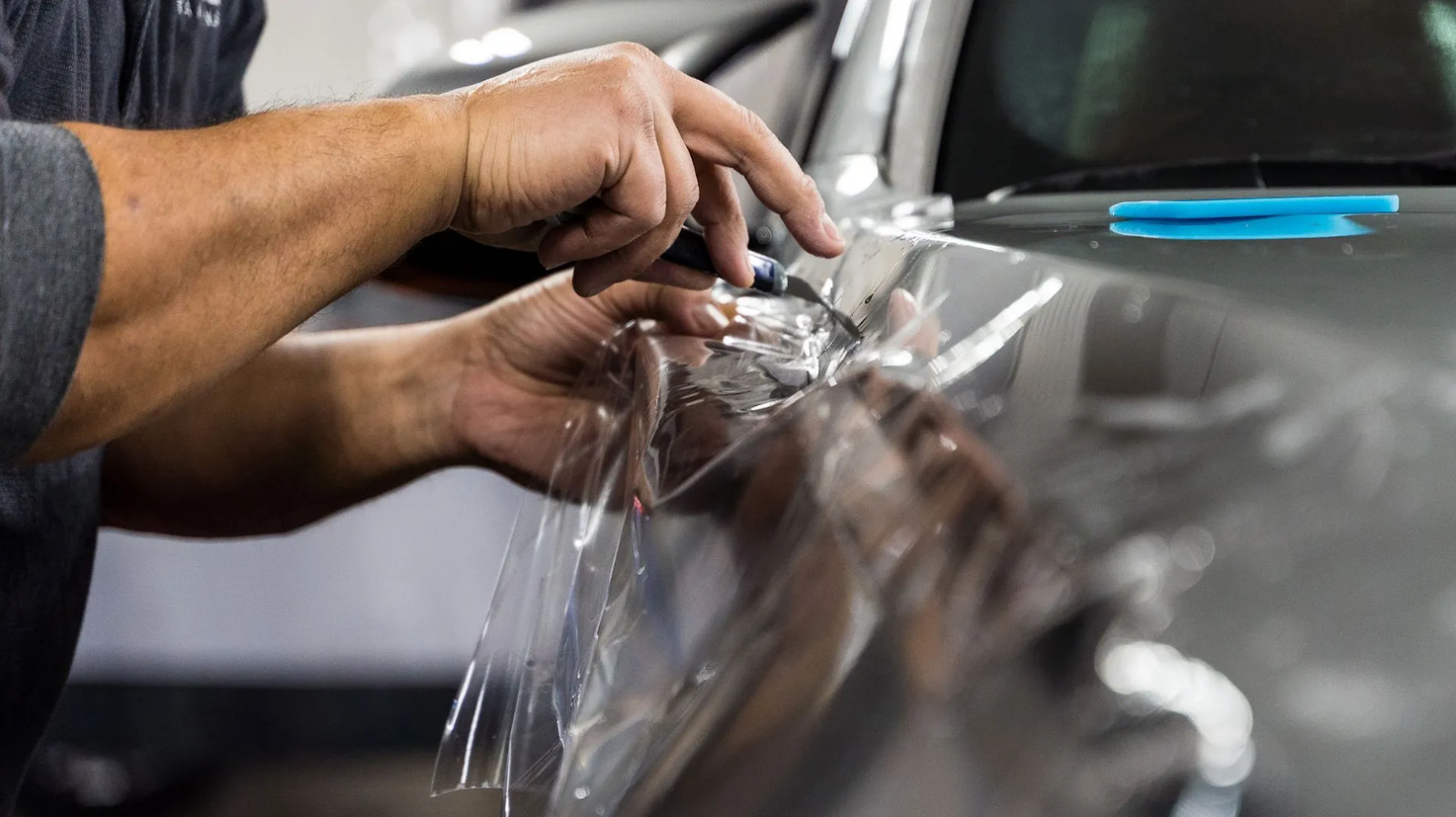
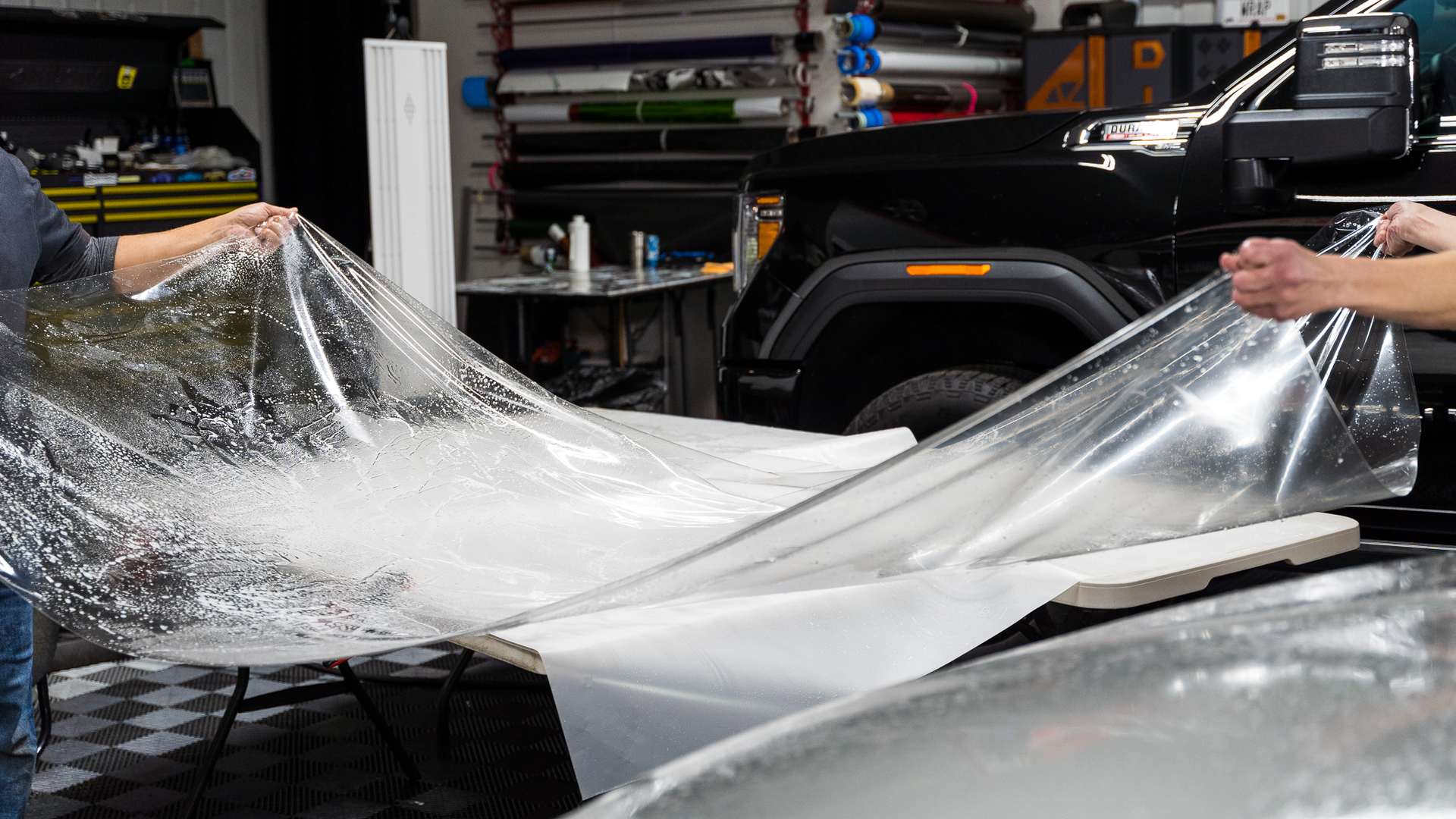
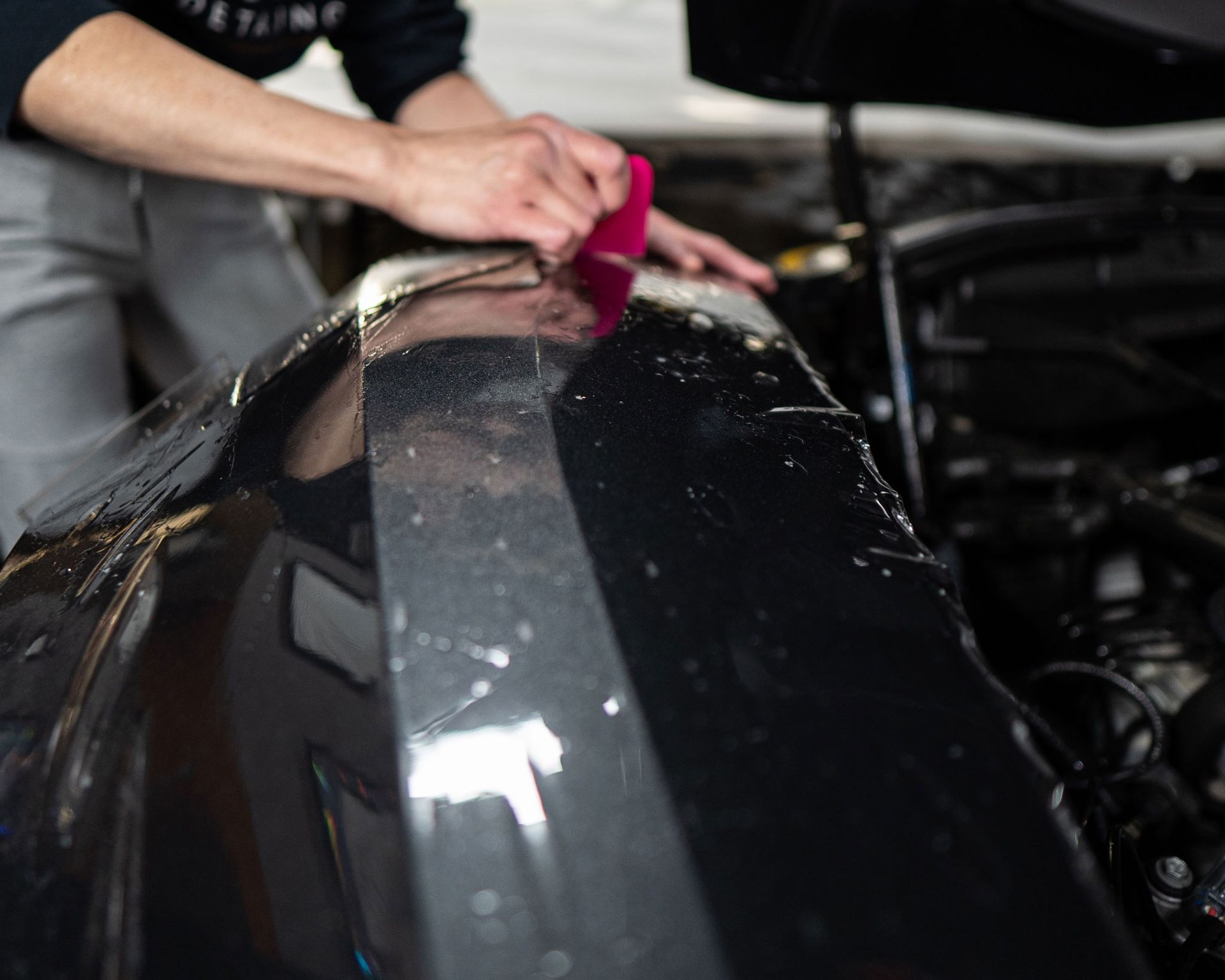
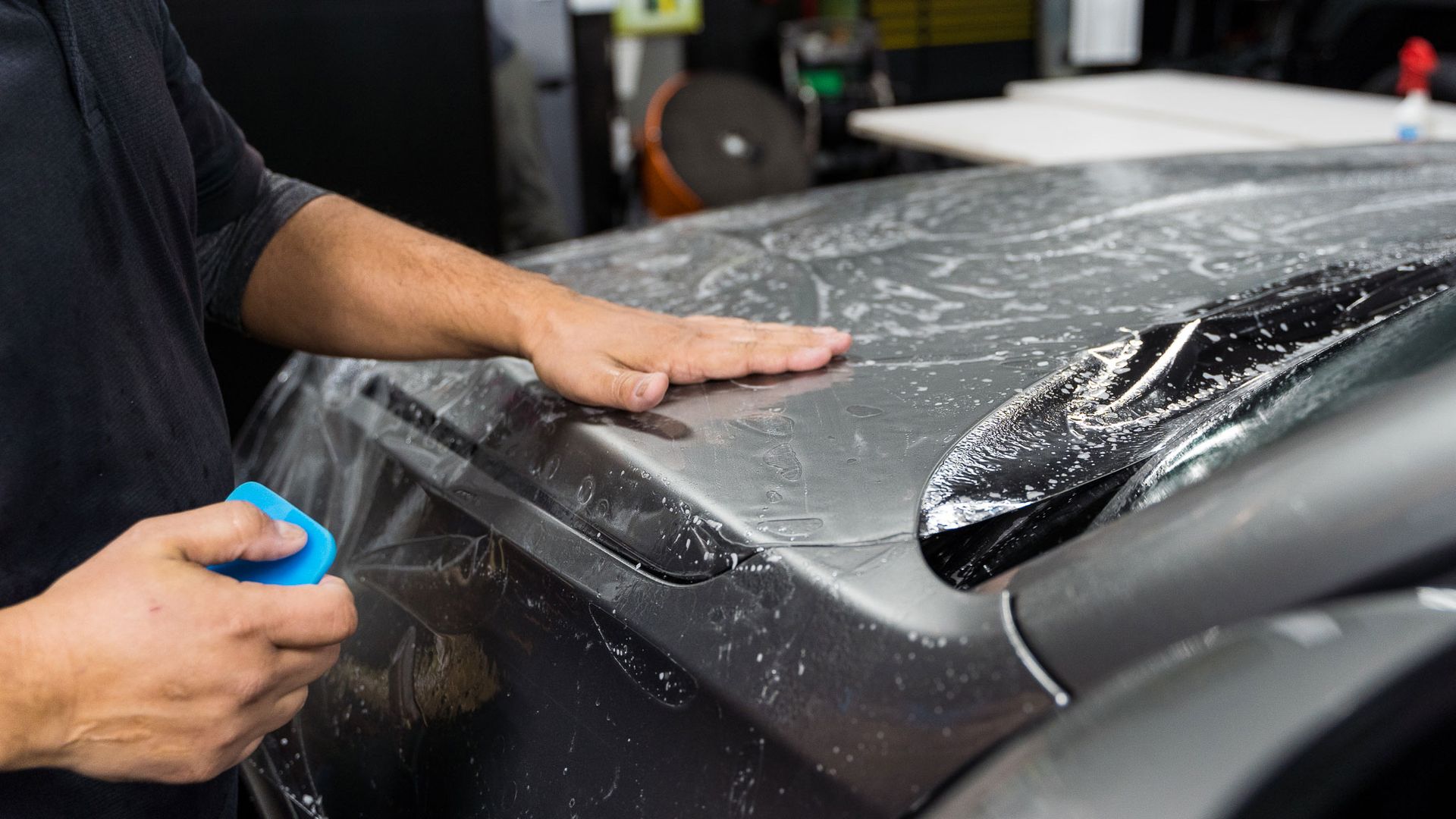
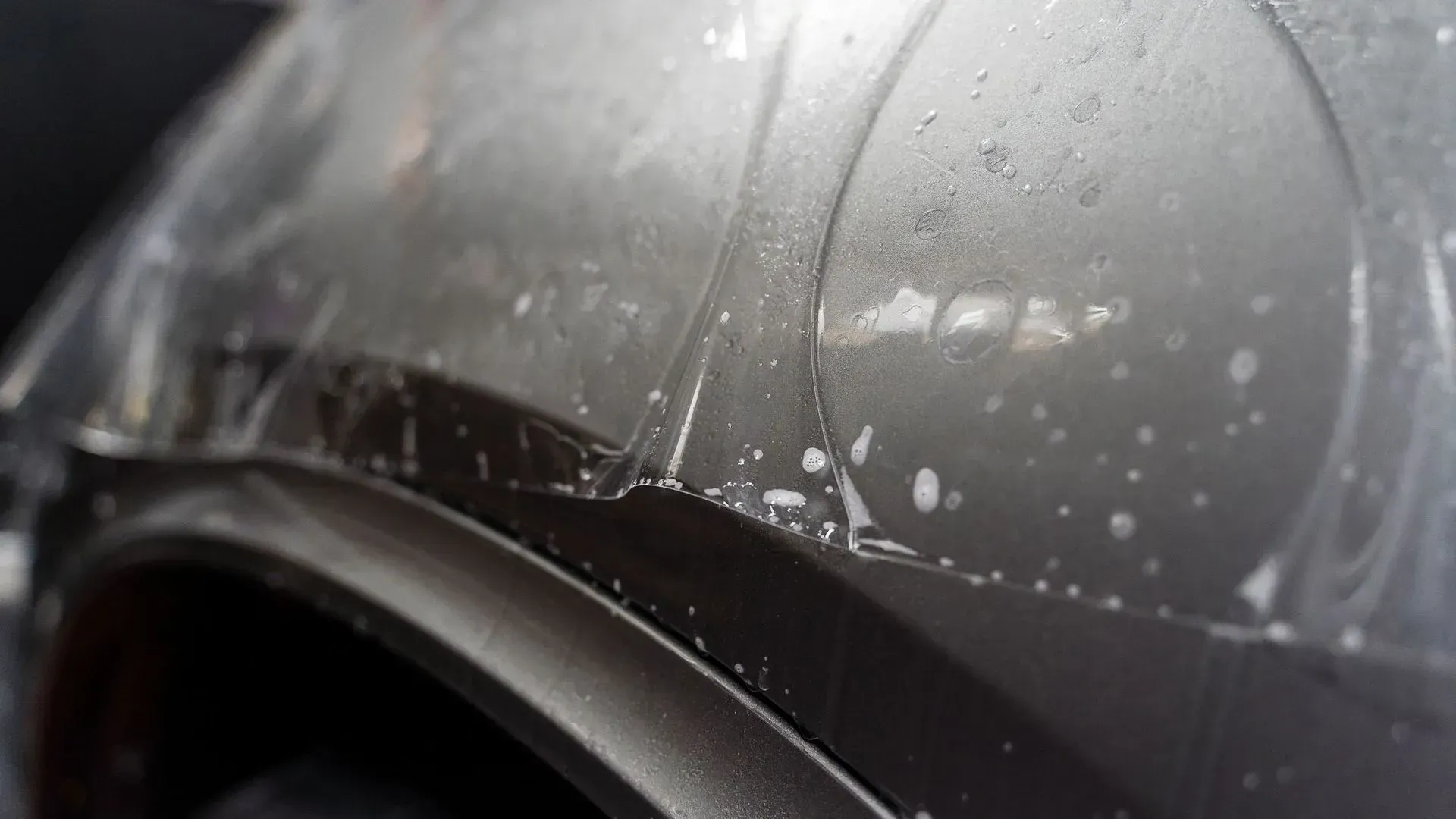
The healing properties only work if the film gets installed correctly in the first place. Poor installation creates problems that self-healing can't fix - bubbles, contamination under the film, improper edge sealing, and adhesive failures. At Georgetown Window Tint, we use precision cutting and application techniques that ensure the film bonds properly and performs as designed.
Surface preparation makes or breaks the installation. Every vehicle gets a full wash, decontamination, and clay bar treatment before we apply PPF. This removes embedded particles that could show through the film or prevent proper adhesion. Then we custom-cut the film to match your specific vehicle's contours.
The installation process requires controlled conditions:
- Clean environment free from dust and contaminants
- Proper temperature and humidity for adhesive activation
- Precise alignment and edge placement for seamless appearance
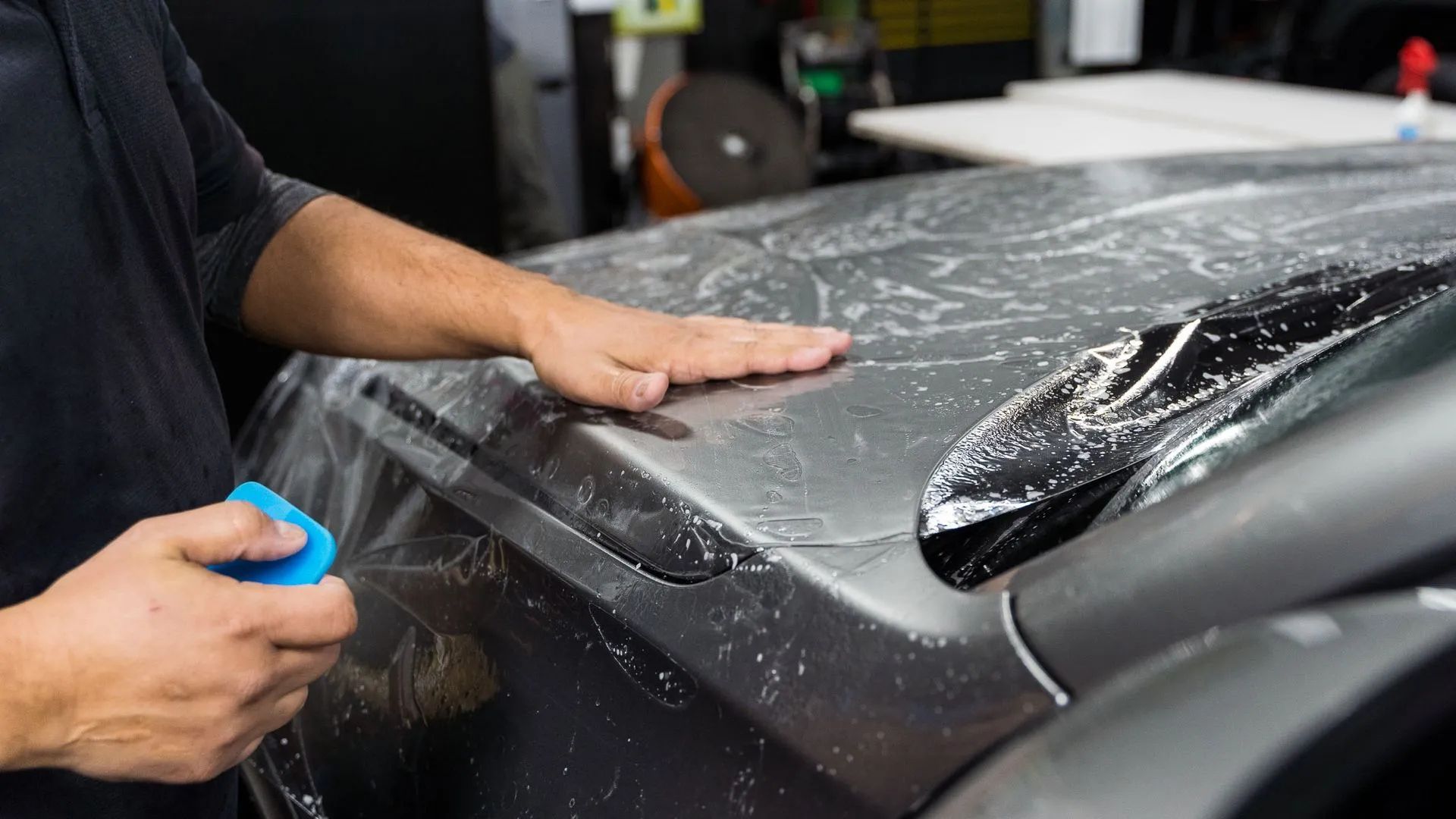
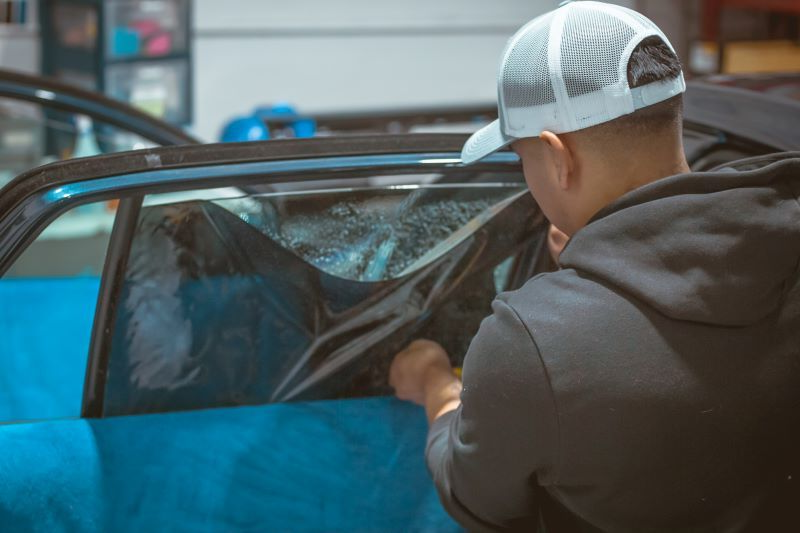
- Careful squeegee work to eliminate air and solution
- Post-installation inspection to verify bond quality
You can buy film and attempt DIY installation, but the results usually don't match professional work. The film is forgiving in some ways but unforgiving in others. Contamination, stretching, or improper adhesive activation creates permanent problems that self-healing won't fix.
Maximizing the Healing Effect
Getting the most from your self-healing paint protection film comes down to understanding what helps and what hurts the process. Heat is your friend. Parking in the sun after getting light scratches will help them heal faster. You can also use a heat gun on a low setting if you want to speed up healing in a specific area.
Regular washing keeps the surface clean and helps you spot any damage that needs attention. Avoid automatic car washes with harsh brushes - they can inflict deeper scratches that exceed the healing threshold. Hand washing or touchless washes work better for maintaining PPF-protected vehicles.
Waxing or sealing the PPF adds another layer of protection and can enhance the gloss. Just make sure you're using products compatible with urethane films. Some chemicals can affect the healing properties or cause adhesive issues. When in doubt, stick with manufacturer-recommended products.
Here's what extends PPF lifespan:
- Regular washing to remove contaminants before they bond
- Avoiding harsh chemicals and solvents on the surface
- Parking in shade when possible to reduce UV exposure
- Applying heat after minor scratches to accelerate healing
- Getting professional inspection if you notice edge lifting or damage
The film does require some care, but way less than maintaining bare paint in the same conditions. You're trading frequent paint correction for occasional film maintenance.
Advanced Applications and Coverage Options
Matching PPF to Your Protection Needs
Not everyone needs full vehicle coverage. Your driving habits and protection priorities should guide what gets wrapped. If you're mainly worried about highway debris, focusing on the front end makes sense. Full hood, front bumper, mirrors, and fenders get you the coverage where impacts happen most.
Track cars and performance vehicles often benefit from extended coverage. Full front end plus rocker panels, door edges, and rear fender sections behind the wheels. These areas take abuse from track debris and aggressive driving. The paint protection film packages we offer scale from essential front-end coverage to complete vehicle wraps.
Some folks want PPF on high-touch areas - door handles, trunk edges, and areas where you lean against the car. This prevents the accumulated wear from daily use. Others focus purely on impact zones and accept that cosmetic wear will happen elsewhere.
The choice depends on your budget and how long you plan to keep the vehicle. If you're protecting a car you'll own for years, comprehensive coverage makes sense. Short-term ownership might justify just essential impact areas. There's no wrong answer - just different priorities.
Technology You Can Trust
Self-healing paint protection film from XPEL represents proven technology that works in real-world conditions. The films we install at Georgetown Window Tint protect better, heal more effectively, and last longer than older PPF products.
When you choose XPEL products professionally installed by our XPEL-certified team, you're getting films designed to handle Texas conditions. These materials have been tested and proven to maintain their protective qualities through years of sun exposure, temperature changes, and daily wear.
For now, the technology we're installing at Georgetown Window Tint represents the current peak of PPF performance. These films protect better, heal more effectively, and last longer than anything available in the past. And for drivers serious about maintaining their vehicle's appearance, that combination delivers real value.
Taking the Next Step
If you're thinking about self-healing paint protection film for your vehicle, understanding the technology helps you make a smarter decision. This isn't just about adding a layer of plastic to your paint. It's about using advanced materials science to create protection that actually maintains itself over time.
The self-healing properties mean your vehicle keeps looking clean and scratch-free with way less effort than bare paint requires. The impact protection prevents damage that would otherwise require professional repair. And the long-term durability means your investment pays off over years of ownership.
Whether you're protecting a new EV, a luxury sedan, or a performance car you're passionate about, self-healing paint protection film offers protection that matches current material science capabilities. The technology works, the results speak for themselves, and proper installation ensures you get the full benefit.
Want to see how this technology performs on your specific vehicle? Our team at Georgetown Window Tint can walk you through coverage options and show you exactly what to expect. Visit our contact page to schedule a consultation and learn more about protecting your investment with proven technology.
Frequently Asked Questions
Does self-healing PPF work on all types of scratches?
Self-healing paint protection film handles surface-level scratches that don't penetrate through the clear coat layer. Light swirl marks, minor abrasions, and shallow scratches heal when exposed to heat. Deeper scratches that cut through the top layer won't self-repair because the healing polymers exist only in the clear coat portion. Think of it this way - if the scratch is deep enough that you can catch it with your fingernail, it probably exceeds the healing threshold. For those deeper marks, you'd need professional repair or film replacement on that panel.
How quickly does the healing process happen?
The healing speed depends on scratch depth and ambient temperature. Very light scratches might disappear within hours on a hot Texas day. Deeper scratches near the healing limit could take several days of sun exposure to fully recover. You can accelerate the process by applying controlled heat with a heat gun or hot water. Most owners notice that minor scratches from car washes or light contact vanish within 24 to 48 hours without intervention. The warmer the conditions, the faster the molecular movement that drives healing.
Will the film yellow or lose healing ability over time?
Quality self-healing paint protection film from XPEL includes UV inhibitors that prevent yellowing throughout the film's lifespan. The healing properties remain active as long as the polymer structure stays intact. With proper care, films maintain both clarity and self-healing capability for 5 to 10 years. Exposure to harsh chemicals or solvents can degrade the polymers and reduce healing effectiveness, which is why we recommend avoiding aggressive cleaners. Normal use, regular washing, and sun exposure won't diminish the healing properties significantly over the film's designed lifespan.
Can I combine PPF with ceramic coating for extra protection?
Absolutely. Many owners stack protection by applying ceramic coating over their PPF installation. The ceramic coating adds hydrophobic properties, enhanced gloss, and easier cleaning to the physical impact protection of the film. This combination gives you both self-healing scratch resistance and the water-beading, contamination-resistant surface of ceramic. The ceramic coating doesn't interfere with the PPF's healing properties - in fact, it can help keep the film surface cleaner, which means less accumulated grime that might slow the healing process on scratches.
What maintenance does self-healing PPF require?
Maintenance is straightforward but important. Regular hand washing removes contaminants before they bond to the surface. Avoid automatic car washes with brushes that can inflict deeper scratches. You can use spray waxes or sealants designed for PPF to maintain gloss and add protection. If you notice scratches, parking in the sun helps them heal faster. Edge inspection every few months ensures the film stays properly adhered. Most importantly, address any lifting or peeling promptly before it spreads. The film is low-maintenance compared to bare paint, but it's not maintenance-free. Treat it right, and it'll keep protecting your vehicle for years.