How Much Does Paint Protection Film Really Cost vs. Paint Damage Repairs?
When considering paint protection film, the real question isn't just cost - it's value. At Georgetown Window Tint, we work with professionals who evaluate vehicle investments strategically.
PPF cost analysis compares upfront protection investment against accumulated repair expenses, resale value impact, and time spent managing damage. For professionals keeping vehicles for several years, proactive protection often makes financial sense.
Paint damage accumulates over time. Highway drives bring rock chips. Parking lots risk door dings. Each incident means living with damage or funding repairs. PPF changes this reality.
Understanding PPF Installation Investment
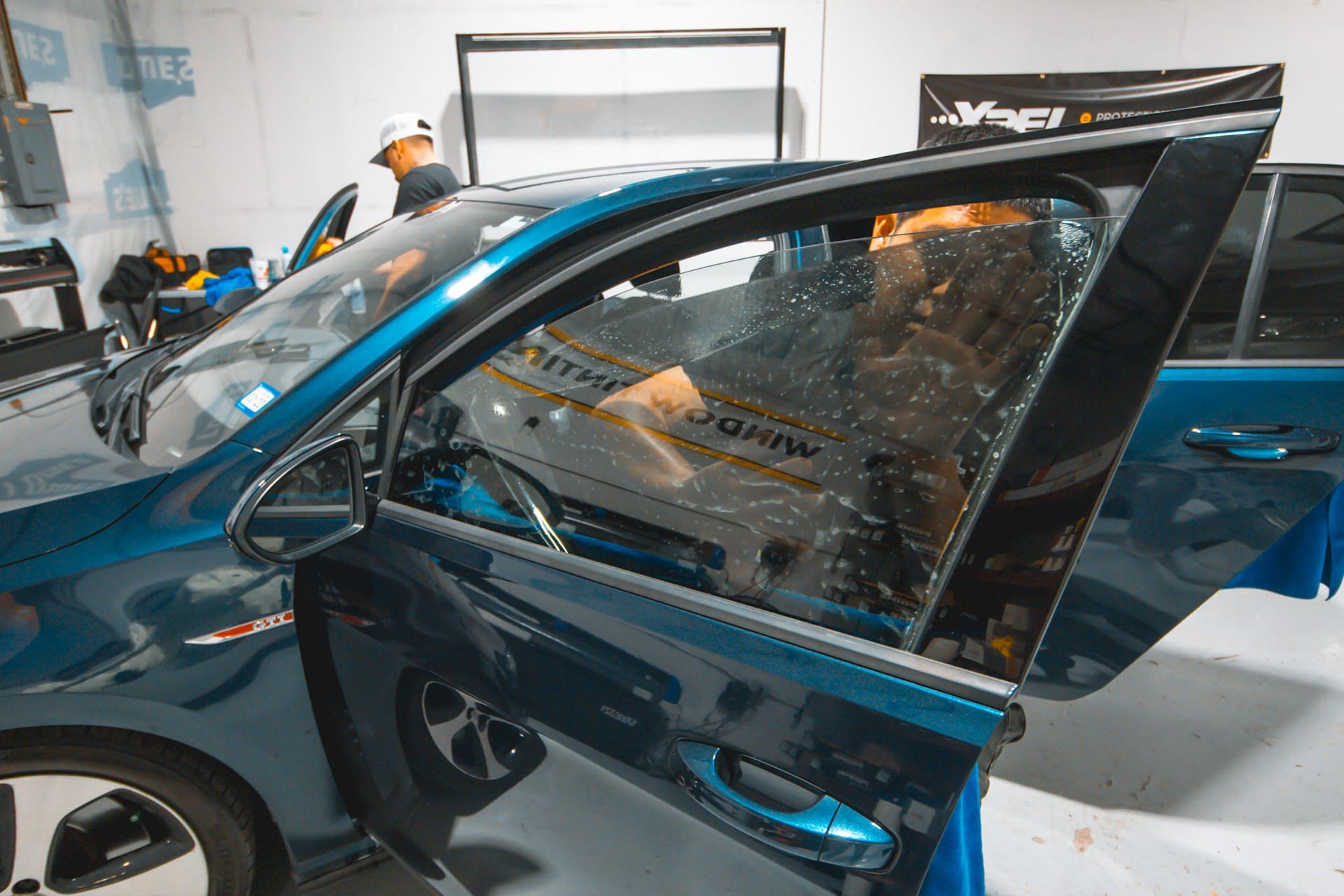
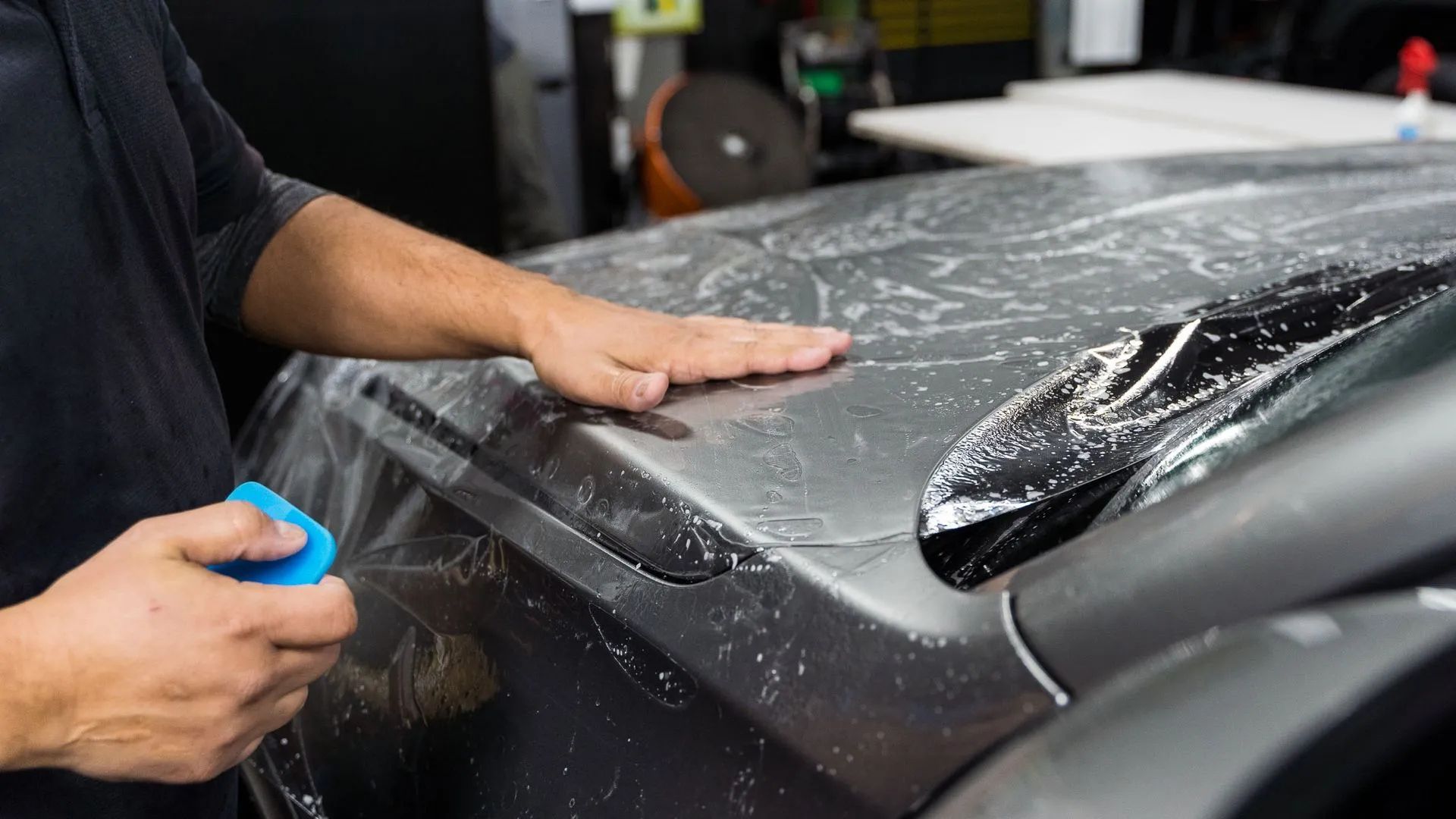
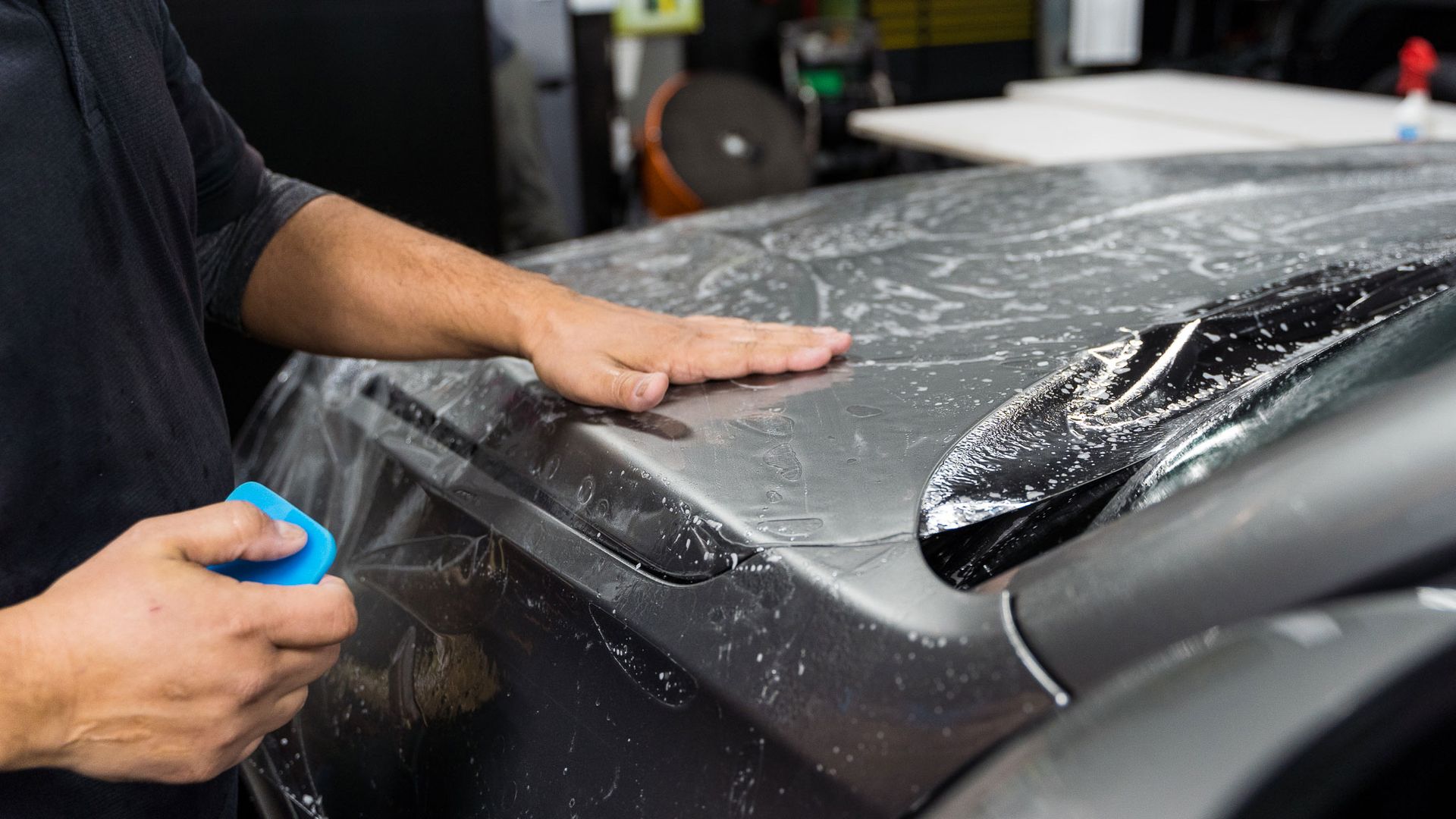
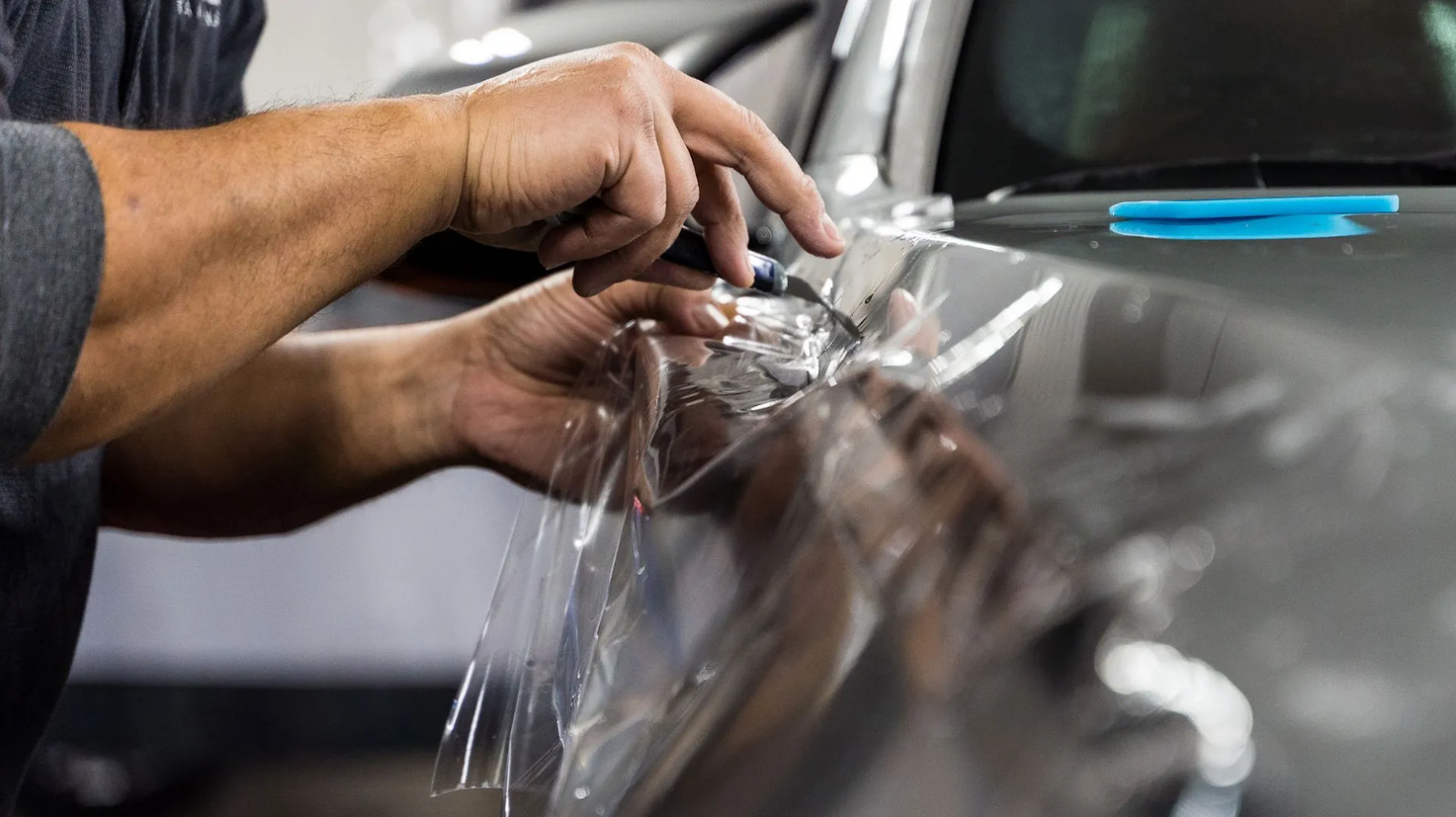
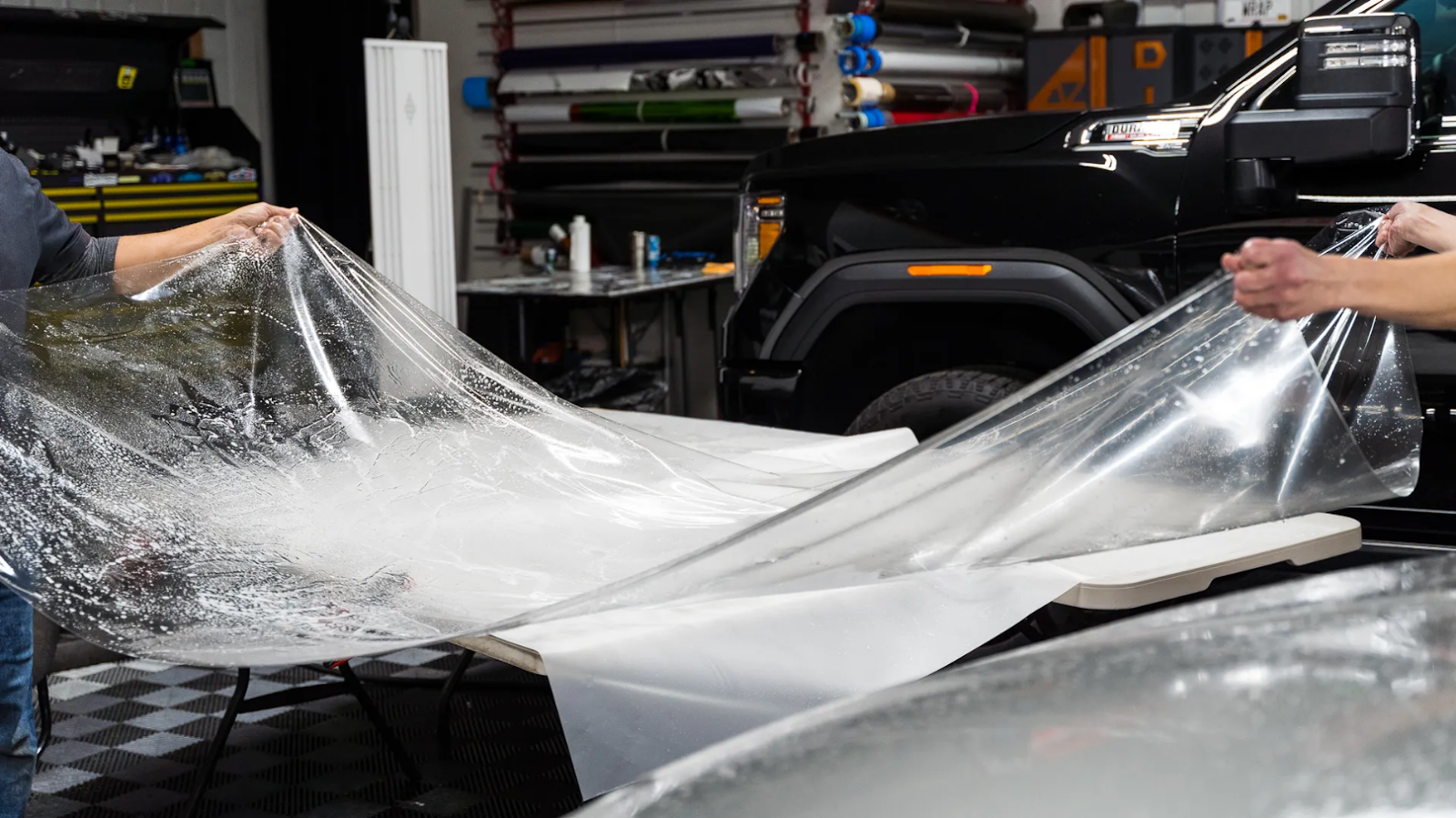
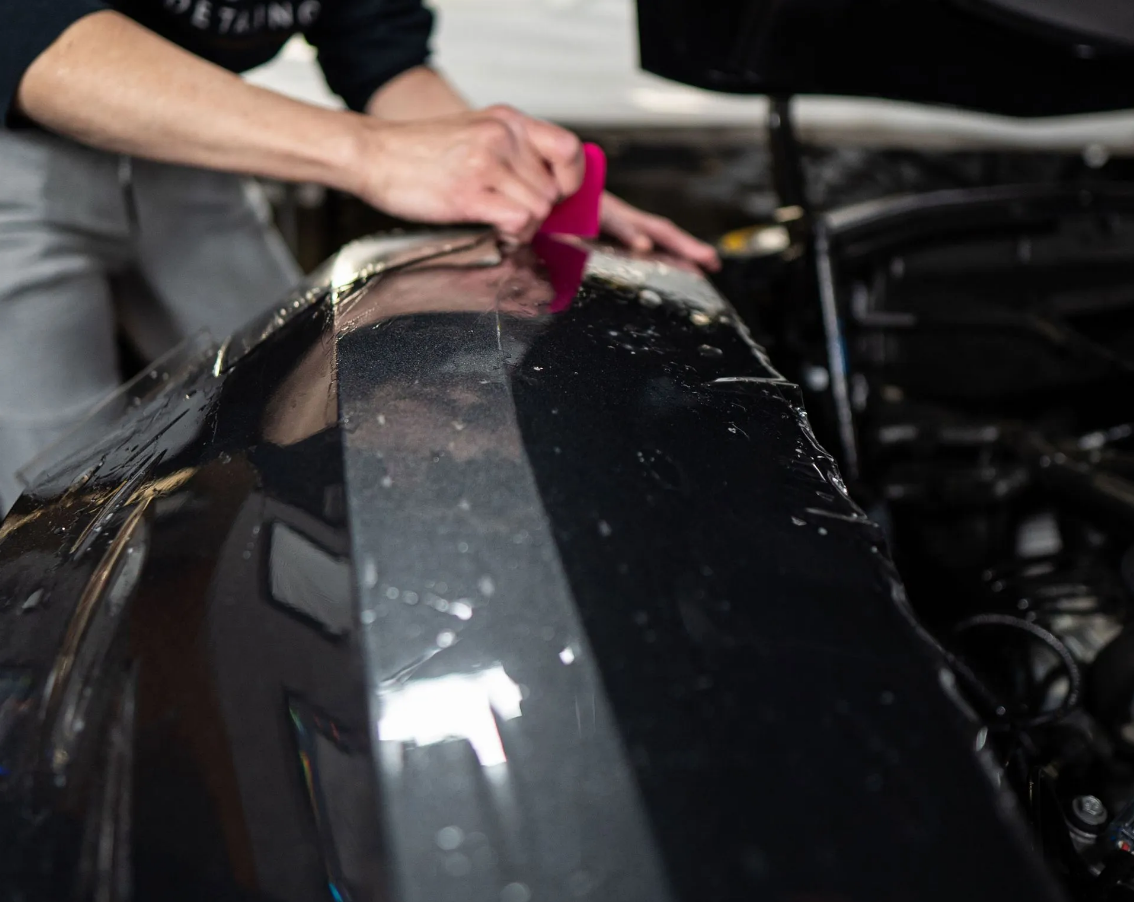
What Professional Installation Includes
Professional installation encompasses several critical elements:
- XPEL-certified technician expertise
- Surface preparation with decontamination and clay bar treatment
- Precision cutting for your specific vehicle
- Climate-controlled application
- Warranty coverage
Our paint protection film packages deliver complete service.
Coverage Packages
Essential Protection:
- Front bumper and complete hood
- Highest-impact zone protection
Full Front Protection:
- Everything in Essential Protection Plus mirrors full front fenders, headlights, and fog lights
Matching Coverage to Your Needs
Your routine determines which investment makes sense:
- Highway commuters need front-end protection
- Urban drivers benefit from door edge coverage
- Parking situations influence vulnerability
- Ownership timeline affects protection value
Poor installation leads to bubbling and premature failure. Our XPEL-certified team ensures proper installation.
Common Paint Damage Repair Expenses
Rock Chips and Highway Debris
Highway driving creates constant exposure. Over typical ownership, damage accumulates:
- Dozens of chips on the bumper and hood
- Paint matching and blending for proper repair
- Multiple repair sessions as incidents mount
- Time coordinating service appointments
Environmental and Parking Damage
Environmental Threats:
- Bird droppings etching paint
- Tree sap is bonding to the clear coat
- Road salt is accelerating corrosion
- Bug splatter degrading finish
Parking Lot Issues:
- Door dings from adjacent vehicles
- Shopping cart impacts
- Damage you didn't cause
Clear Coat Breakdown
Texas sun causes UV damage:
- Dullness and haziness
- Rough oxidized texture
- Paint correction needed
- Accelerated aging outdoors
PPF prevents these expenses for protected areas.
Long-Term Cost Comparison Over Vehicle Ownership
Three to Five Year Ownership Pattern
Overextended ownership, damage accumulates predictably:
- Ten to fifteen rock chips across the hood and bumper
- Several door dings from parking
- Environmental etching needs correction
- Clear coat degradation from the sun
Without PPF: Choose between declining appearance or funding repairs. Either option costs money.
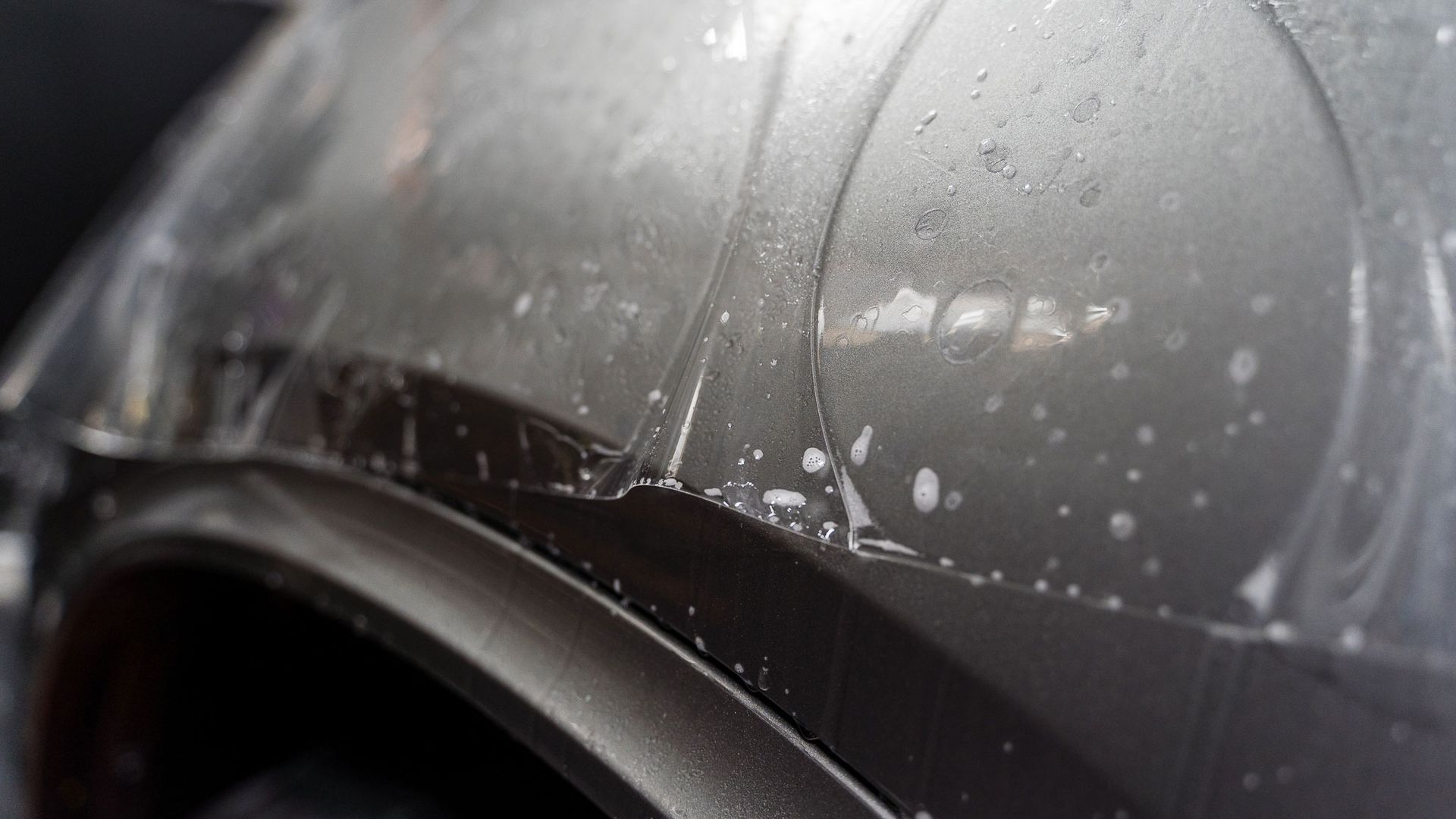
With PPF: Film intercepts damage. Self-healing properties address minor issues. Paint stays pristine.
Value Over Time
Year One: Protection investment made, no repair expenses for covered areas
Years Two Through Five: Accumulated savings from avoided repairs, maintained appearance, reduced maintenance
The PPF cost analysis improves as ownership extends.
Reduced Maintenance Demands
Protected paint requires less attention - no chip repairs, easier washing, and eliminated paint correction expenses. For busy professionals, time savings carry tangible value.
Insurance and Resale Value Considerations
Resale Value Protection
Paint condition directly influences what buyers pay. When selling or trading your vehicle, condition matters:
What Buyers Notice:
- Visible chips and dings across front surfaces
- Clear coat wear and dullness
- Environmental damage and oxidation
- Overall appearance relative to vehicle age
What PPF Delivers:
- Original paint condition preserved throughout ownership
- Protected areas appear newer than their actual age
- Premium pricing justified by superior condition
- Faster sales with fewer condition negotiations
For professionals purchasing new vehicles, protecting the initial condition preserves asset value. The resale benefit offsets a portion of the PPF investment.
Comprehensive Claim Avoidance
PPF doesn't reduce insurance premiums directly, but prevents certain claim scenarios:
- Road debris damage is absorbed by the film instead of requiring claims
- Avoided deductible payments for paint damage incidents
- No comprehensive claim frequency affecting your record
- Eliminated the risk of premium increases from multiple small claims
This indirect financial benefit factors into the complete PPF cost analysis. The deductible you don't pay plus potential premium stability represents measurable value.
ROI Calculation for Professional Vehicle Owners
Key Factors Affecting Returns
Return on investment varies by circumstances:
Driving Patterns: Highway mileage, travel frequency, urban vs. suburban conditions
Parking Realities: Garage vs. outdoor storage, public lot usage
Ownership Approach: Vehicle retention period, new vs. pre-owned purchase
Learning from History
Your previous vehicles predict future expenses:
- How much paint damage accumulated?
- What did repairs cost?
- How did the condition affect resale value?
This pattern reveals the costs PPF prevents.
The Real Alternative
Without PPF, you face gradual damage, repair expenses, and reduced resale value. Your professional time carries value - calculate hours spent managing repairs over the years.
At Georgetown Window Tint, we've installed PPF since 2017 for professionals across Georgetown, Round Rock, Hutto, Liberty Hill, Jarrell, and Pflugerville who view vehicle protection as a strategic investment.
Making Your PPF Investment Decision
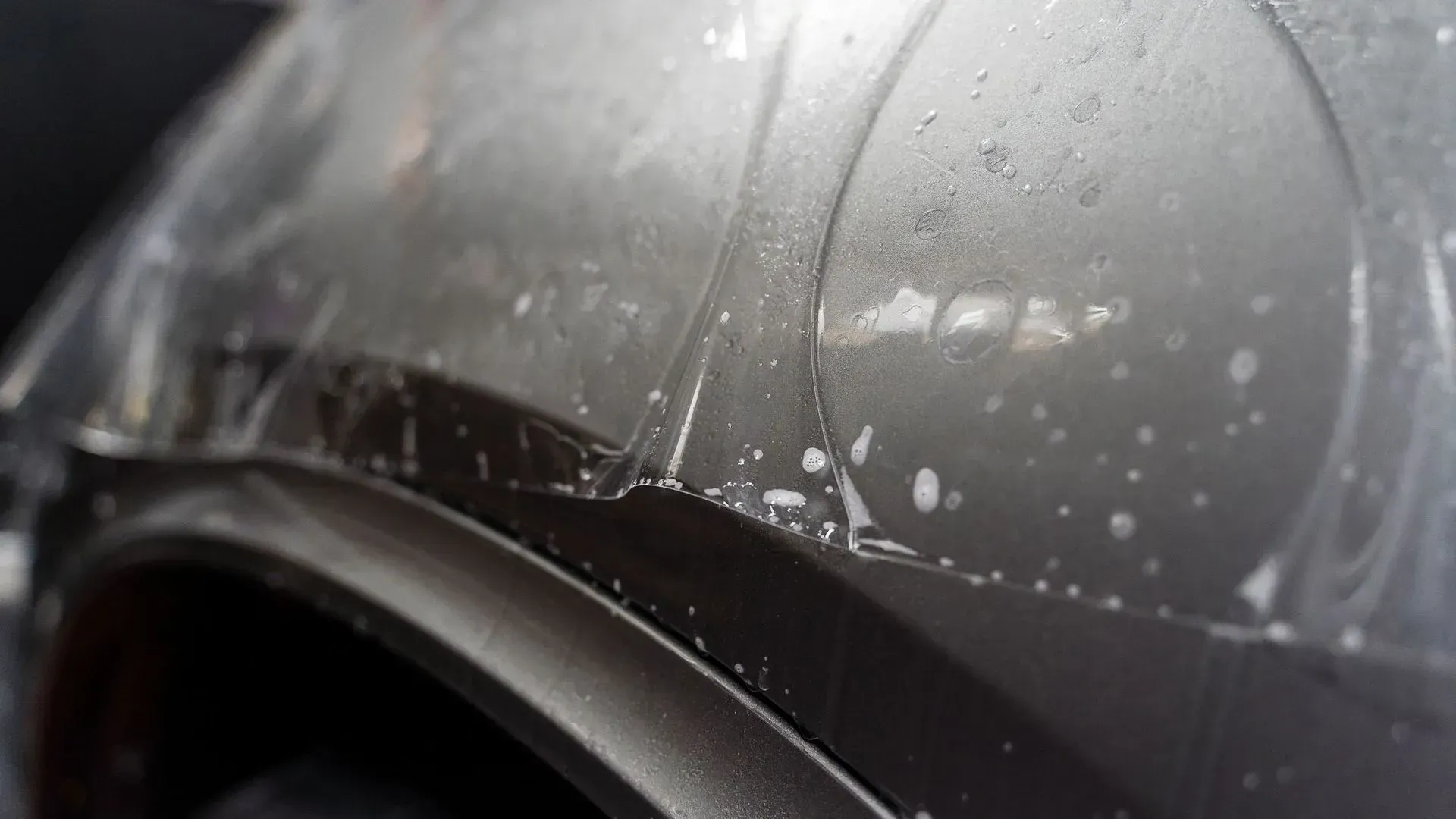
When you're ready to evaluate PPF for your vehicle, we provide a detailed analysis based on your driving patterns, parking conditions, and ownership timeline. This helps you understand what coverage makes sense and how the investment compares to likely repair costs.
We also offer ceramic coating that complements PPF. Many professionals combine both - PPF for impact protection, and ceramic coating for appearance enhancement.
The right strategy depends on your priorities and vehicle use. Ready for personalized PPF cost analysis? We'll walk through coverage options and financial implications for your situation. Visit our contact page to schedule your free consultation.
Frequently Asked Questions
How long does PPF typically last before needing replacement?
Quality PPF from manufacturers like XPEL can last many years when professionally installed and maintained. The film is designed to maintain its protective properties and appearance throughout its lifespan. Actual duration depends on exposure conditions, but you're looking at long-term protection rather than something requiring frequent replacement. These longevity factors are important in cost analysis versus repeated paint repairs.
Does PPF really prevent all paint damage?
PPF provides excellent protection against common damage sources like rock chips, light impacts, environmental contaminants, and minor abrasions. It significantly reduces paint damage but isn't invincible. Severe impacts or sharp objects can still penetrate the film. The realistic expectation is that PPF prevents the vast majority of typical damage your vehicle faces during normal use, which is what drives its cost-effectiveness versus repair expenses.
Can I install PPF on an older vehicle with existing damage?
PPF goes over your existing paint condition. If there's current damage, it will still be visible under the film. For best results and value, many owners opt for paint correction before PPF installation to address existing imperfections. This ensures you're protecting restored paint rather than sealing in damage. The combined investment still often compares favorably to ongoing repair costs over the remaining ownership period.
How does partial coverage compare cost-wise to full vehicle PPF?
Partial front-end coverage costs significantly less than full vehicle wrapping while protecting the areas most likely to sustain damage. For many drivers, partial coverage delivers the best cost-to-benefit ratio. Full vehicle coverage provides comprehensive protection but at a higher investment. Your driving conditions and damage risk profile should guide this decision. We can help analyze which approach makes the most financial sense for your situation.