How to Choose the Right Window Tint Shade: A Buyer's Decision Guide
You've decided to get window tint, but now comes the question everyone asks - how dark should you go? The percentage options can feel overwhelming when you're trying to balance appearance, privacy, heat rejection, and staying legal. At Georgetown Window Tint, we help customers navigate this decision daily.
Window tint shade selection depends on what matters most to you. Some drivers prioritize privacy. Others want maximum heat rejection. Many need to meet legal requirements while getting the best benefits possible. Understanding how to match tint options to your actual priorities makes the decision straightforward.
Here's the practical framework - identify your primary goals, understand what different options deliver, and select the shade that matches your needs. Let's walk through this decision together.
Understanding Tint Percentage Numbers
What VLT Actually Means
VLT stands for Visible Light Transmission - the percentage of light passing through your window and tint combined. This number tells you how much light enters your vehicle.
How VLT percentages work:
- Higher percentage = more light passes through = lighter appearance
- Lower percentage = less light passes through = darker appearance
- 70% VLT lets most light through (very light tint)
- 20% VLT blocks most light (dark tint)
- 5% VLT blocks nearly all light (very dark, often called "limo tint")
The number represents what gets through, not what gets blocked. A 35% tint allows 35% of visible light to pass while blocking 65%.
Common Percentage Options
Different VLT levels serve different purposes. Understanding the general range helps you narrow your options.
Light tint options (50% to 70% VLT):
- Subtle appearance change
- Maintains excellent visibility
- Often used on front windows for legal compliance
- Provides UV protection with minimal darkness
Medium tint options (35% to 50% VLT):
- Noticeable tint appearance
- Good balance of visibility and privacy
- Popular choice for many vehicles
- Moderate darkness level
Darker options (20% to 35% VLT):
- Significant privacy increase
- More pronounced appearance
- Reduced visibility in low-light conditions
- Often used on rear windows
Very dark options (5% to 20% VLT):
- Maximum privacy
- Dramatic appearance change
- Limited visibility from inside
- Legal restrictions apply to most windows
Privacy Levels by Percentage
How Darkness Affects Privacy
Privacy concerns vary by driver. Some want to prevent casual observation. Others need protection for valuables left in vehicles. Your privacy goals influence appropriate window tint shade selection.
Light tint (50%+ VLT):
- People can see inside your vehicle
- Reduces glare without blocking views
- Minimal privacy benefit
- Items inside remain visible
Medium tint (35% to 50% VLT):
- Harder to see inside during daytime
- Interior still visible up close
- Moderate privacy improvement
- Good for reducing casual observation
Darker tint (20% to 35% VLT):
- Difficult to see inside during day
- Provides substantial privacy
- Interior mostly obscured
- Better protection for belongings
Very dark tint (below 20% VLT):
- Nearly impossible to see inside
- Maximum privacy protection
- Interior completely obscured
- Legal only on certain windows
Consider when and where privacy matters most. Parking situations, daily driving environment, and what you typically carry in your vehicle all factor into this decision.
Heat Rejection vs. Darkness
The Important Distinction
Here's what many buyers don't realize - darkness and heat rejection are not the same thing. Darker tint doesn't automatically mean better heat blocking. The film technology matters more than the shade.
Key understanding:
- VLT percentage measures visible light
- Heat comes primarily from infrared radiation
- Infrared rejection depends on film composition
- Ceramic technology blocks heat without requiring darkness
This distinction matters significantly for your window tint shade selection decision.
Ceramic Technology Advantage
Ceramic window tinting blocks infrared heat through material properties rather than darkness. This means you can achieve excellent heat rejection at lighter, legal VLT levels.
At Georgetown Window Tint, we install XPEL Prime XR and Prime XR Plus ceramic window tinting. These films demonstrate the heat rejection advantage:
XPEL Prime XR:
- Blocks 88% of infrared heat
- Available in various VLT options
- Excellent heat rejection at legal levels
XPEL Prime XR Plus:
- Blocks 98% of infrared heat
- Maximum heat rejection available
- Legal compliance with premium performance
You don't need illegal darkness for effective heat reduction. Quality ceramic film delivers superior heat rejection while meeting legal requirements.
Matching Goals to Technology
If heat rejection ranks as your primary concern, ceramic technology matters more than going darker. A lighter ceramic tint often outperforms darker non-ceramic options for actual heat blocking.
Heat-focused decision framework:
- Prioritize film technology over darkness level
- Ceramic films deliver best heat rejection
- Legal VLT levels can provide excellent performance
- Don't assume darker means cooler
This understanding transforms how you approach shade selection.
Legal Considerations
Texas Window Tint Requirements
In Texas, front side windows must allow at least 25% of light to pass through. This legal requirement affects your front window options regardless of preference.
Texas VLT requirements:
- Front side windows: 25% VLT minimum required
- Rear side windows: No specific limit
- Rear windshield: No specific limit (with side mirrors)
- Front windshield: Tint restricted to top portion
Legal compliance protects you from citations, inspection failures, and removal requirements. Starting with legal limits for front windows, then choosing rear window darkness based on preference, represents the practical approach.
Working Within Legal Limits
Legal requirements don't prevent excellent protection. Quality ceramic tint at 25% VLT delivers substantial benefits while meeting Texas requirements for front windows.
Compliance benefits:
- No citation concerns
- Passes vehicle inspection
- Protects your tint investment
- Professional appearance maintained
At Georgetown Window Tint, we ensure installations meet legal requirements. Our XPEL-certified technicians understand Texas regulations and install compliant tint.
Rear Window Flexibility
Texas allows more flexibility for rear side windows and rear windshield. You can choose darker options for these positions while keeping front windows legal.
Common approaches:
- Legal 25%+ VLT on front side windows
- Darker preference on rear windows
- Consistent appearance across vehicle
- Gradual transition front to back
This flexibility lets you maximize privacy and appearance on rear windows while maintaining legal front windows.
How Vehicle Color Affects Appearance
Dark Vehicles vs. Light Vehicles
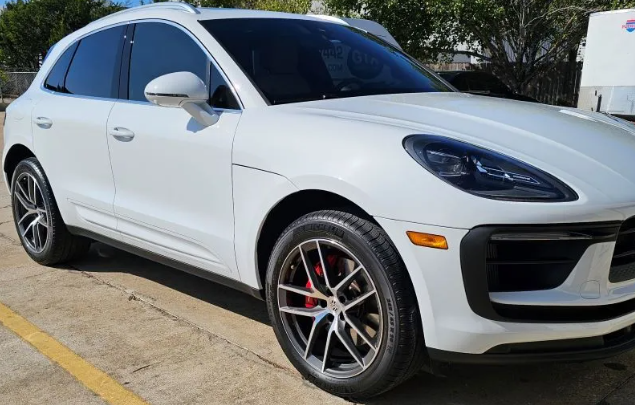
Your vehicle's color affects how tint appears. The same VLT percentage looks different on a black car versus a white car.
Dark colored vehicles:
- Tint blends with exterior color
- Appears more integrated
- Subtle transition to tinted glass
- Often looks slightly darker than actual percentage
Light colored vehicles:
- Tint creates more contrast
- More noticeable appearance change
- Pronounced difference between body and glass
- May appear slightly lighter than same percentage on dark car
Consider how your vehicle color interacts with your preferred darkness level.
Interior Color Considerations
Interior colors also affect tint appearance. Light interiors reflect more light, making tint appear lighter from outside. Dark interiors absorb light, making the same tint appear darker.
Interior factors:
- Light interiors brighten appearance
- Dark interiors deepen appearance
- Dashboard color affects perception
- Seat color influences visibility
Seeing samples on your actual vehicle provides the most accurate preview of final appearance.
Making Your Final Selection
Decision Framework by Priority
Your primary goal should guide your window tint shade selection. Different priorities lead to different optimal choices.
If privacy is your primary goal:
- Choose darker options where legal
- Consider 20-35% for rear windows
- Accept visibility limitations
- Front windows still need legal compliance
If heat rejection is your primary goal:
- Prioritize ceramic technology over darkness
- XPEL Prime XR Plus offers 98% infrared rejection
- Legal VLT levels deliver excellent heat blocking
- Technology matters more than shade
If appearance is your primary goal:
- Consider your vehicle color interaction
- View samples on your specific vehicle
- Balance preferred look with legal requirements
- Think about front-to-back consistency
If legal compliance is your primary concern:
- Start with Texas 25% minimum for front windows
- Choose quality ceramic for maximum benefit at legal levels
- Consider matching rear windows for consistent appearance
- Prioritize documented compliance
Balancing Multiple Goals
Most buyers have multiple considerations. Balancing priorities requires understanding tradeoffs.
Common balance approaches:
- Maximum legal darkness on front (around 25% VLT)
- Darker preference on rear windows
- Ceramic technology for heat rejection at any level
- Professional installation for quality results
You don't have to choose just one benefit. Quality ceramic tint at appropriate levels delivers privacy, heat rejection, UV protection, and appearance enhancement together.
The Consultation Value
Seeing samples on your actual vehicle beats imagining results from descriptions. Different VLT levels look different on different vehicles in different lighting conditions.
What consultation provides:
- Samples shown on your specific vehicle
- Comparison of different darkness levels
- Understanding of how your car color affects appearance
- Professional recommendation based on your priorities
At Georgetown Window Tint, we show you options before you decide. This hands-on approach ensures you're confident in your selection.
Professional Installation Matters
Quality Affects Results
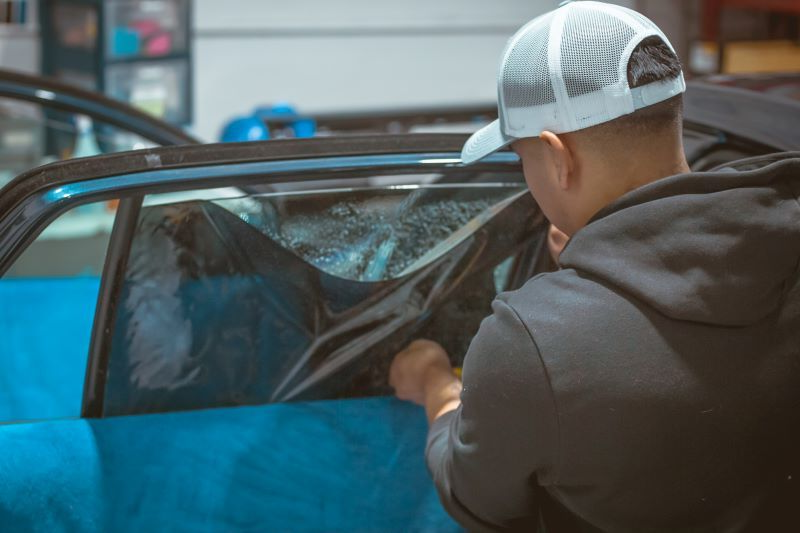
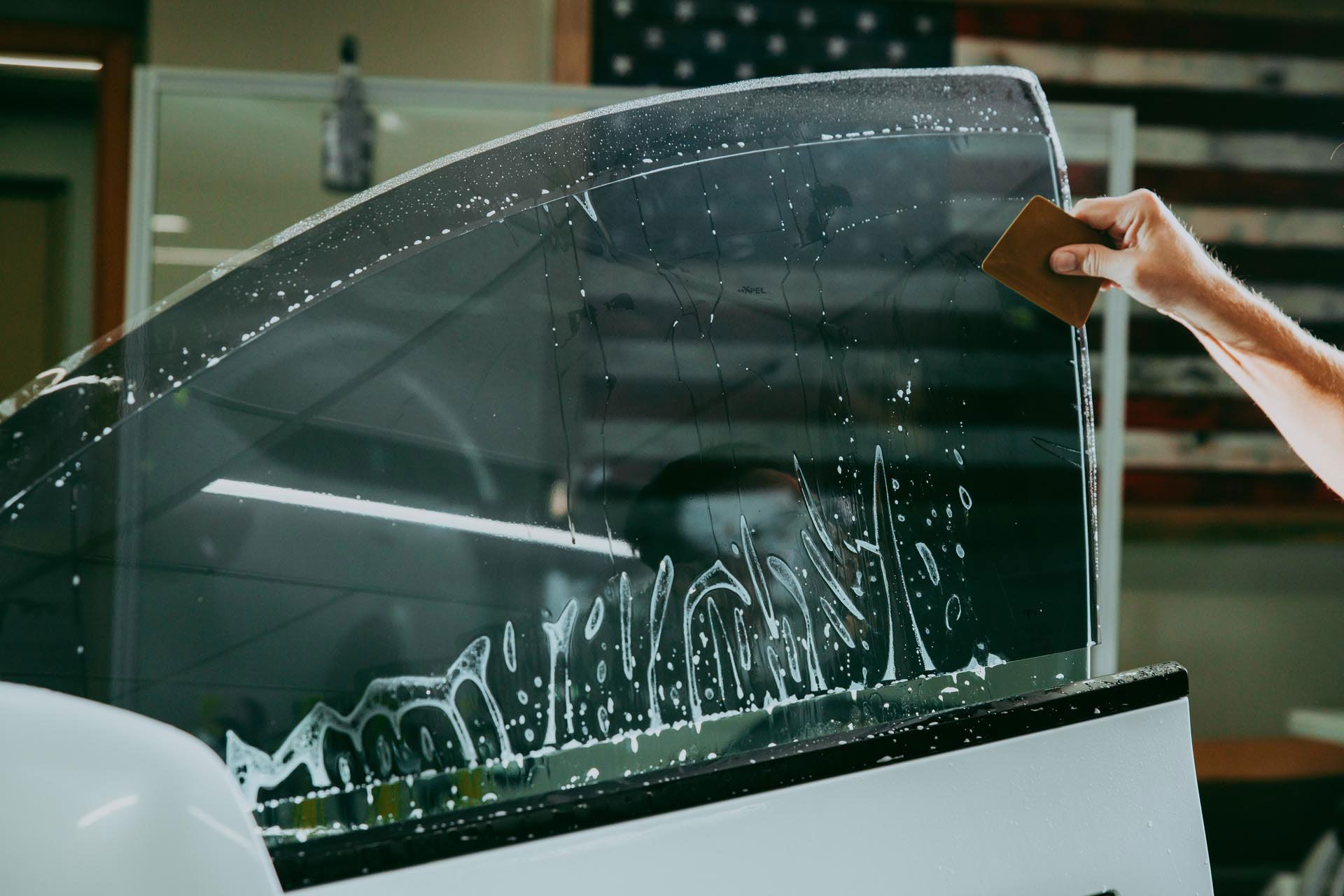
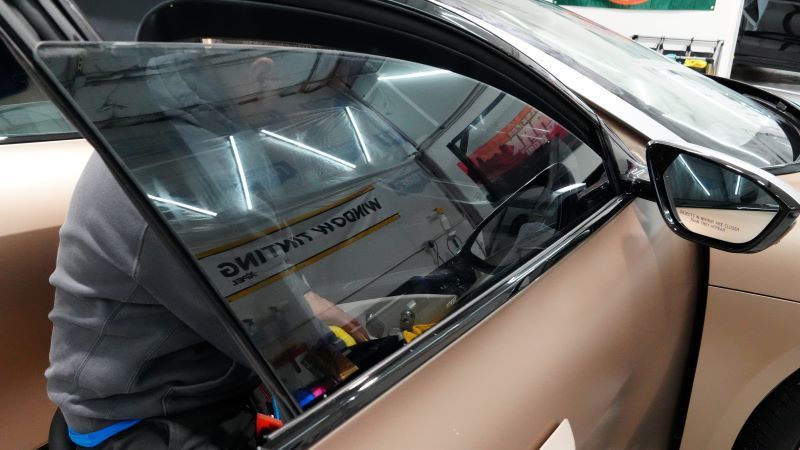
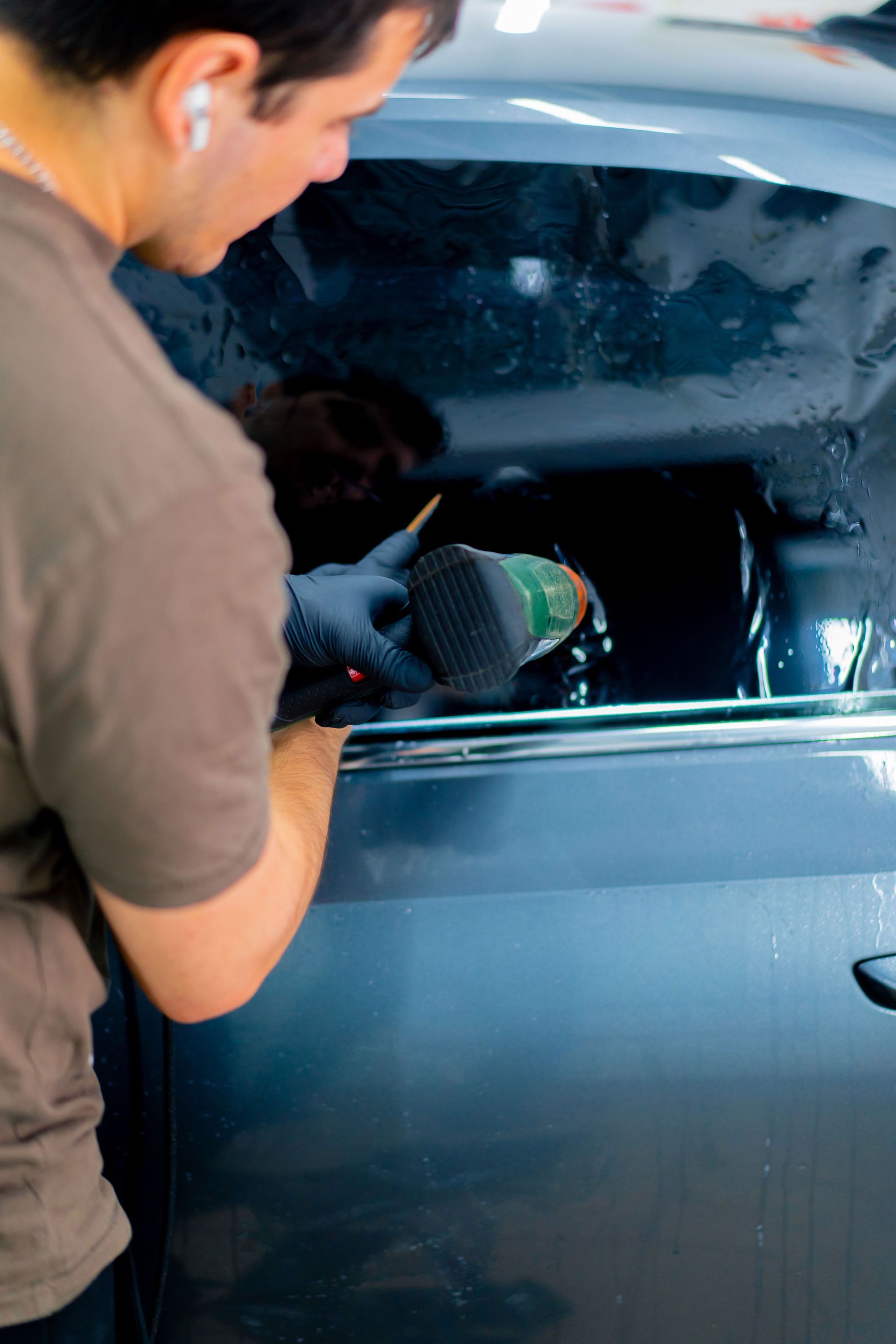
Whatever shade you select, professional installation affects how well it performs and lasts. Proper surface preparation, controlled environment application, and skilled technique ensure your tint delivers expected results.
Professional installation ensures:
- Thorough surface cleaning and preparation
- Climate-controlled application conditions
- Precise film placement and edging
- Quality maintained throughout service life
Our Georgetown facility maintains ideal conditions for window tinting year-round.
XPEL Certification Benefits
XPEL certification means our technicians completed manufacturer training on proper installation techniques. This expertise ensures your window tint investment performs as designed.
Certification provides:
- Manufacturer-approved methods
- Proper material handling
- Quality installation standards
- Warranty backing validity
We've installed window tint for vehicle owners throughout Georgetown, Round Rock, Hutto, Liberty Hill, Jarrell, and Pflugerville since 2017.
Additional Tinting Options
Carbon Window Tinting
Beyond ceramic options, carbon window tinting provides another quality choice for drivers seeking good performance with excellent appearance.
Carbon represents a solid option worth discussing during consultation.
Residential and Commercial Applications
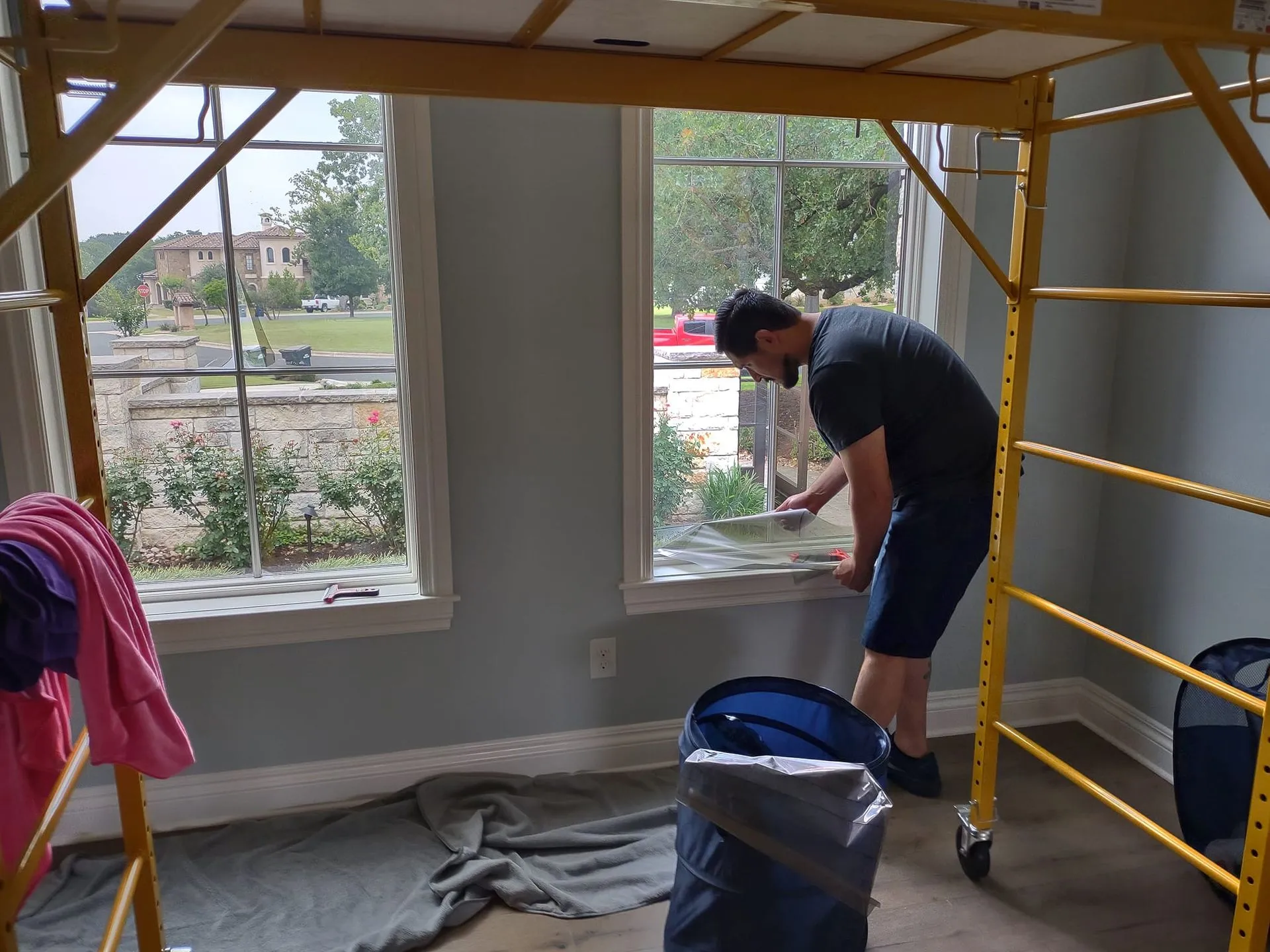
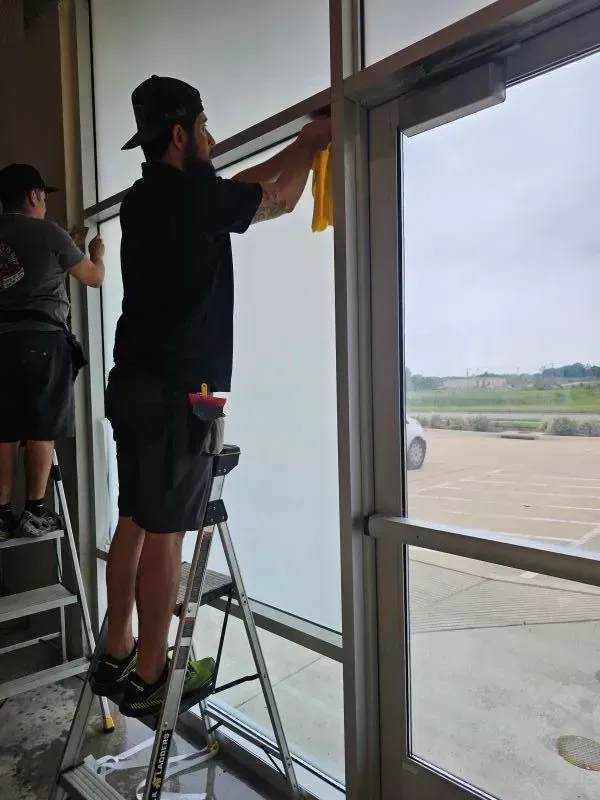
Window tint shade selection applies beyond automotive applications. Residential window tinting and commercial window tinting involve similar decisions about light transmission, privacy, and heat rejection.
Non-automotive considerations:
- Building orientation affects needs
- Room purpose influences choices
- Energy efficiency goals
- Appearance requirements
We can discuss appropriate options for home and business applications as well.
Choosing Your Perfect Tint
The right window tint shade selection matches your priorities to appropriate products. Understanding VLT percentages, heat rejection technology, legal requirements, and appearance factors empowers confident decision-making.
Key takeaways:
- VLT percentage measures light transmission, not heat blocking
- Ceramic technology delivers heat rejection at any darkness level
- Texas requires 25% minimum VLT on front-side windows
- Vehicle color affects tint appearance
- Seeing samples on your vehicle provides best preview
- Professional installation ensures quality results
At Georgetown Window Tint, we help you navigate these decisions without pressure. Our consultative approach ensures you understand your options and select tint that genuinely matches your needs.
Ready to choose the perfect window tint for your needs? Schedule a free consultation and we'll show you samples on your actual vehicle.
Visit our contact page to schedule your consultation. We'll discuss your priorities, show you options, and help you select the shade that delivers exactly what you're looking for.
Frequently Asked Question
Does darker window tint always block more heat?
No, and this is one of the most common misconceptions. Heat rejection depends on film technology, not darkness level. Ceramic window tinting blocks infrared heat through material composition rather than visible light blocking. XPEL Prime XR Plus blocks 98% of infrared heat while available in various VLT options, including legal levels. A lighter ceramic tint often outperforms darker non-ceramic options for actual heat blocking.
What's the darkest legal tint for my front windows in Texas?
Texas requires front side windows to allow at least 25% of visible light transmission. This means any tint resulting in less than 25% VLT violates state regulations. You can achieve excellent benefits at this legal level with quality ceramic film. Rear windows face no specific limits in Texas when vehicles have dual side mirrors, allowing darker options for back windows.
How do I know what percentage will look like on my specific car?
The best approach is seeing samples on your actual vehicle. The same VLT percentage appears differently on dark versus light-colored vehicles, and interior colors also affect appearance. During consultation at Georgetown Window Tint, we show samples on your car so you see exactly how different options look before making your decision. This hands-on preview beats imagining results from descriptions.
Can I get different darkness levels on different windows?
Yes, and this is a common approach. Many owners install the darkest legal tint (25% or higher VLT) on front side windows while choosing darker options for rear side windows and rear windshield where Texas allows more flexibility. This approach maximizes rear privacy and appearance while maintaining legal front windows. We can discuss the combination that works best for your preferences and priorities.