Window Tint Regulations: Understanding Legal Limits Before You Buy
Window tinting improves comfort, protects interiors, and enhances appearance. But before you invest, understanding legal requirements saves you from tickets, failed inspections, and removal expenses. At Georgetown Window Tint, we prioritize compliance alongside quality because illegal tint costs more than proper installation.
Window tint legal limits vary by location and window position. Learning how regulations work helps you make informed decisions and ask the right questions before purchasing services. Professional providers understand these requirements and ensure your tint meets applicable standards.
Here's what you need to understand about window tint regulations before buying - the framework for how laws work, what questions to ask, and why compliance matters for your investment.
Understanding VLT Percentage Systems
What VLT Actually Means
VLT stands for Visible Light Transmission - the percentage of light that passes through your window and tint combined. Higher VLT percentages mean more light passes through, resulting in lighter tint. Lower percentages mean darker tint with less light transmission.
VLT percentage basics:
- 70% VLT allows 70% of visible light through (very light tint)
- 50% VLT allows half the light through (moderate tint)
- 35% VLT allows about one-third of light through (noticeable tint)
- 20% VLT allows one-fifth of light through (darker tint)
- 5% VLT allows minimal light through (very dark, often called "limo tint")
Regulations specify minimum VLT requirements - the lowest percentage legally permitted for each window position.
How VLT Regulations Work
Laws establish minimum VLT thresholds for different windows on your vehicle. Front side windows typically face stricter requirements than rear windows because visibility affects safe driving.
Common regulatory structure:
- Front windshield: Usually restricted to top portion only
- Front side windows: Strictest VLT requirements
- Rear side windows: Often more permissive limits
- Rear windshield: Frequently less restricted
In Texas, front side windows must allow at least 25% of light to pass through. This means any tint on front side windows must result in 25% VLT or higher after installation.
Understanding this framework helps you evaluate options within legal boundaries.
Window-Specific Regulations
Front Windshield Rules
Most jurisdictions restrict windshield tinting significantly. Regulations typically allow tint only on the top portion of the windshield within a specified distance from the top.
Windshield considerations:
- Tint usually limited to top strip area
- Full windshield tinting generally prohibited
- Clear UV-protective films may be permitted
- Specific measurements vary by location
The windshield provides critical forward visibility. Regulations protect this sightline while allowing some protection options.
Front Side Window Requirements
Front side windows face the strictest window tint legal limits in most regulatory frameworks. These windows affect driver visibility for lane changes, turns, and intersection navigation.
Front side window factors:
- Strictest VLT minimums apply here
- Texas requires 25% minimum VLT
- Enforcement focuses heavily on these windows
- Visibility standards prioritize safety
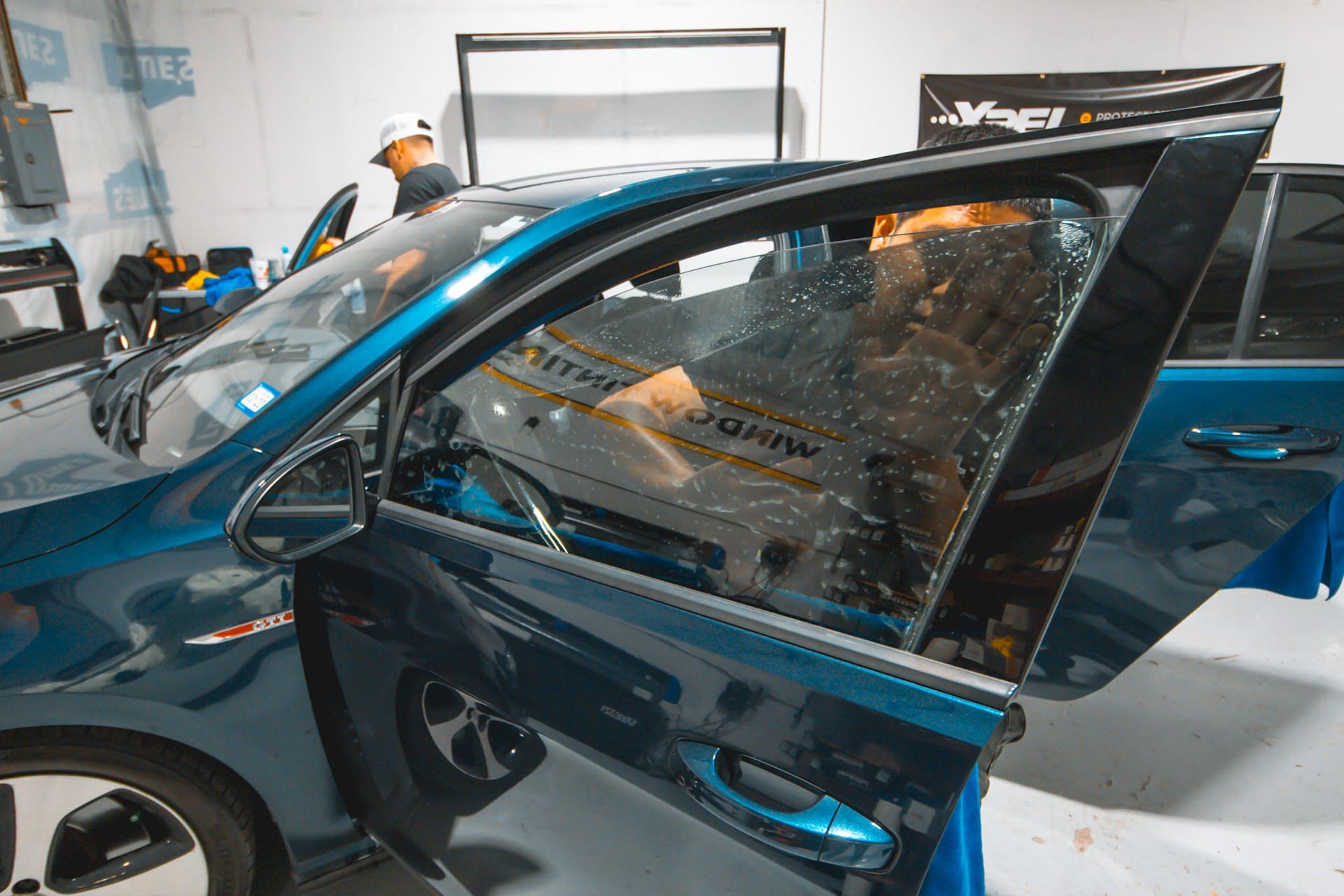
Professional installers like Georgetown Window Tint understand these requirements and recommend compliant options. Our ceramic window tinting with XPEL Prime XR and Prime XR Plus delivers excellent heat rejection while maintaining legal VLT levels.
Rear Window Flexibility
Rear side windows and rear windshields typically face more permissive regulations. Many jurisdictions allow darker tint on rear windows, especially when vehicles have side mirrors providing rear visibility.
Rear window considerations:
- Often allow darker tint than front windows
- Side mirror requirements may affect limits
- Passenger privacy balanced against safety
- Specific limits vary by jurisdiction
This flexibility allows greater customization for rear passengers while maintaining essential driver-visibility standards.
Medical Exemption Possibilities
When Exemptions Apply
Some jurisdictions provide medical exemptions, allowing darker tints for individuals with documented medical conditions. Light sensitivity, skin conditions, and certain eye disorders may qualify for exemptions.
Medical exemption basics:
- Require documented medical need
- Involve application and approval process
- May require carrying exemption documentation
- Specific conditions and procedures vary
If you have a medical condition affecting light sensitivity, research exemption possibilities in your jurisdiction before assuming you cannot get needed protection.
Exemption Limitations
Medical exemptions don't provide unlimited tinting permission. Even with exemptions, certain limits typically apply. The process requires documentation and may need periodic renewal.
Exemption realities:
- Not automatic approval
- Documentation requirements exist
- Limits still apply even with exemptions
- Carrying proof may be required
Consult local authorities or medical professionals familiar with the exemption process in your area for accurate guidance.
Enforcement and Compliance Considerations
How Enforcement Works
Law enforcement uses various methods to check window tint compliance. Officers may use visual assessment or electronic tint meters that measure actual VLT percentages.
Enforcement approaches:
- Visual observation during stops
- Electronic tint meters for precise measurement
- Vehicle inspection checkpoints
- Integration with other traffic enforcement
Non-compliant tint may result in citations, fix-it tickets requiring removal, or failed vehicle inspections, depending on the jurisdiction.
Consequences of Non-Compliance
Installing tint that violates window tint legal limits creates ongoing risks and expenses beyond the initial installation cost.
Non-compliance consequences:
- Traffic citations and fines
- Requirements to remove illegal tint
- Failed vehicle inspections
- Repeat violations with escalating penalties
- Wasted investment in removed tint
The cost of proper compliant installation proves far less than repeated citations plus removal and reinstallation expenses.
Inspection Considerations
Many jurisdictions include window tint in vehicle safety inspections. Non-compliant tint fails inspection, preventing registration renewal until corrected.
Inspection factors:
- Tint checked during safety inspections
- Non-compliance prevents passing
- Removal required before re-inspection
- Registration tied to inspection compliance
Understanding inspection requirements in your area helps avoid complications during vehicle registration periods.
Questions to Ask Tint Providers
Compliance-Focused Questions
Before purchasing window tinting services, asking the right questions protects your investment and ensures legal compliance.
Essential questions for providers:
About Legal Compliance:
- What VLT levels do you install on front side windows?
- How do you ensure compliance with local regulations?
- How do you verify installations meet legal requirements?
- What products do you use and what are their specifications?
About Materials and Quality:
- What specific products do you install?
- What are the documented specifications?
- What warranty coverage applies?
- Are you certified by the film manufacturer?
Professional providers answer these questions confidently with specific information rather than vague assurances.
Red Flags to Recognize
Certain responses should raise concerns about a provider's commitment to compliance and quality.
Warning signs:
- Willingness to install any darkness you request
- Vague answers about VLT levels
- No discussion of legal requirements
- Inability to specify exact products used
- Pressure to choose darker illegal options
Providers prioritizing your long-term satisfaction ensure compliance rather than just making sales.
Verifying Legal Limits in Your Area
Research Approaches
Since regulations vary by location and change over time, verifying current requirements protects your investment.
Verification methods:
- Check state DMV or transportation department websites
- Contact local law enforcement for current standards
- Consult state vehicle inspection requirements
- Ask multiple professional tint providers
Multiple sources help confirm accurate current requirements rather than relying on potentially outdated information.
Why Current Information Matters
Regulations change. What was legal previously may not be legal now, and vice versa. Verifying current standards before purchasing ensures your installation meets today's requirements.
Currency considerations:
- Laws change through legislative updates
- Enforcement priorities shift over time
- Inspection standards may be revised
- Professional providers stay current
At Georgetown Window Tint, we maintain current knowledge of Texas regulations and install compliant tint for vehicles throughout Georgetown, Round Rock, Hutto, Liberty Hill, Jarrell, and Pflugerville.
Why Professional Providers Ensure Compliance
Knowledge and Accountability
Professional window tint installers understand local regulations and stake their reputation on compliant work. Established businesses can't afford installing illegal tint that generates complaints and liability.
Professional advantages:
- Current regulatory knowledge
- Accountability for compliance
- Reputation dependent on proper work
- Long-term business perspective
Our XPEL certification and years serving Central Texas since 2017 mean we understand what's required and deliver compliant installations.
Quality Materials That Meet Standards
Professional-grade window films like XPEL Prime XR and Prime XR Plus come in various VLT options designed for legal compliance while maximizing performance benefits.
Quality film benefits:
- Specific VLT ratings documented
- Consistent performance specifications
- Options for every legal requirement
- Maximum heat rejection within legal limits
XPEL Prime XR blocks 88% of infrared heat while maintaining legal VLT levels. Prime XR Plus blocks 98% of infrared heat. These specifications deliver excellent performance without compromising compliance.
Installation Expertise
Proper installation affects how well your tint performs and maintains compliance. Professional installers understand the factors that affect final results.
Installation factors:
- Thorough surface preparation
- Controlled application environment
- Precise film placement
- Professional technique and expertise
Quality installation ensures your tint performs as expected and meets requirements.
Balancing Performance and Compliance
Maximizing Legal Benefits
Working within window tint legal limits doesn't mean sacrificing protection benefits. Quality ceramic films deliver excellent heat rejection at compliant VLT levels.
Legal compliance benefits:
- No citation or removal concerns
- Passes vehicle inspections
- Protects investment long-term
- Professional appearance maintained
The goal is maximum legitimate benefit within legal boundaries - exactly what professional ceramic tinting delivers.
Ceramic Technology Advantages
Ceramic window tinting achieves superior heat rejection without requiring darker illegal VLT levels. The technology blocks infrared heat through material properties rather than just darkness.
Ceramic performance within legal limits:
- Heat rejection independent of darkness
- UV protection at any VLT level
- Clarity maintained with ceramic technology
- Legal compliance with premium performance
This represents the best approach - maximum protection benefits while respecting legal requirements.
Residential and Commercial Considerations
Different Regulatory Frameworks
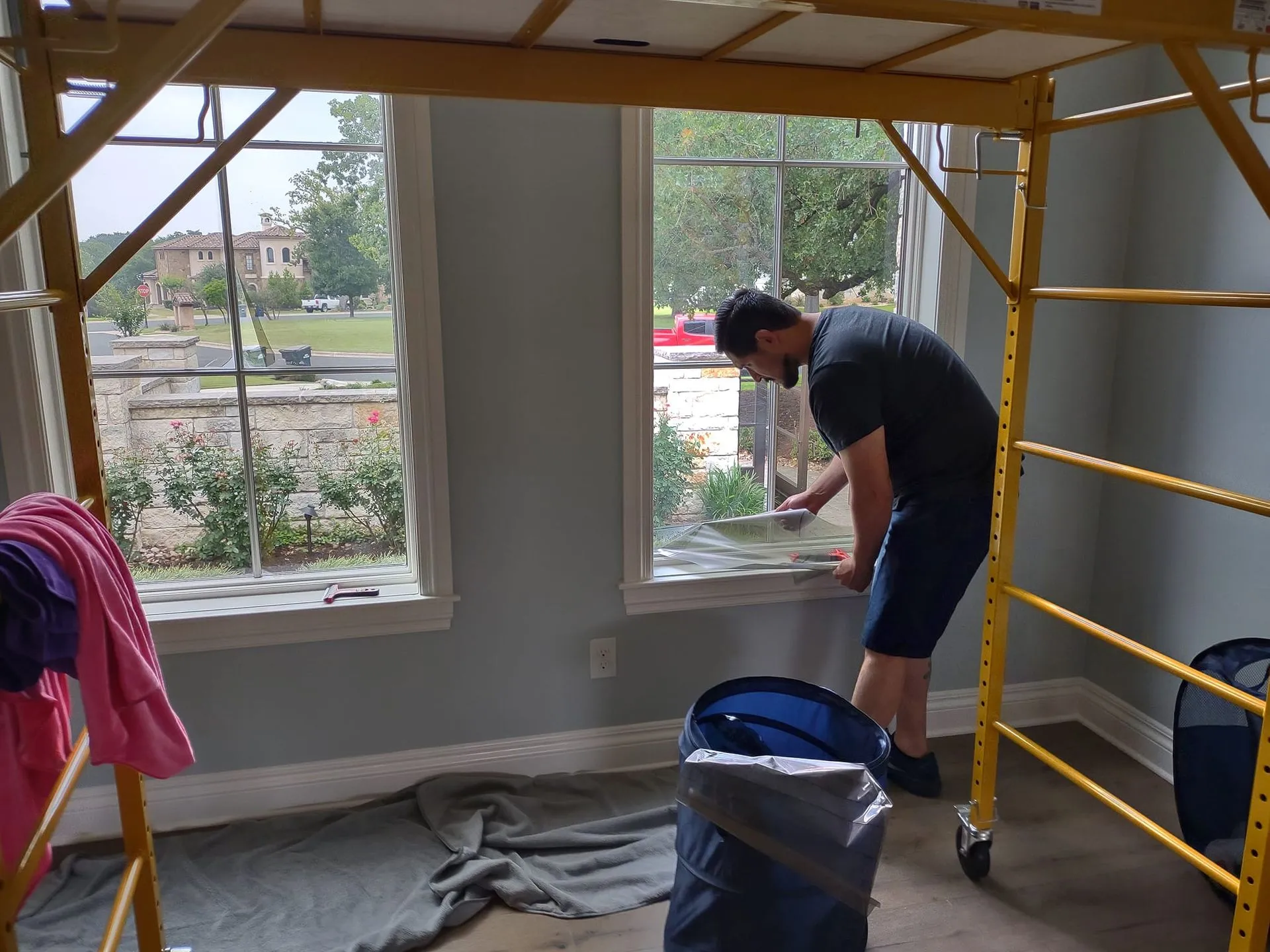
Residential window tinting and commercial window tinting face different regulatory considerations than automotive applications.
Non-automotive factors:
- Building codes may apply
- HOA restrictions possible
- Commercial appearance standards
- Energy efficiency incentives
Research applicable requirements for your specific property type and location before proceeding with building window tinting.
Professional Guidance Value
For any window tinting application - automotive, residential, or commercial - professional providers understand applicable requirements and ensure compliant installations.
Professional service includes:
- Regulatory knowledge for your application
- Compliant product recommendations
- Proper installation techniques
- Documentation and warranty support
Making Compliant Choices
Understanding window tint legal limits empowers informed decisions. You know what questions to ask, what factors matter, and why compliance protects your investment.
Key takeaways:
- VLT percentage determines legal compliance
- Front side windows face strictest limits
- Texas requires 25% minimum VLT on front sides
- Professional providers ensure compliance
- Quality ceramic tint delivers performance within legal limits
At Georgetown Window Tint, we combine XPEL-certified installation expertise with current regulatory knowledge. Our climate-controlled facility and professional approach ensure your window tinting investment delivers lasting value without legal complications.
Want window tint that meets all legal requirements while maximizing protection benefits? We'll explain your options, ensure compliance, and deliver professional installation you can trust.
Visit our contact page for a free consultation and compliant, high-quality tint service.
Frequently Asked Questions
How do I find out the exact window tint laws for my state?
Check your state's DMV or department of transportation website for current window tint regulations. These sources provide official requirements, including VLT percentages for each window position. You can also contact local law enforcement or vehicle inspection stations for enforcement standards. Professional tint providers in your area should know current local requirements and can confirm what's legally permitted.
Can I get a darker tint if I have a medical condition?
Many jurisdictions offer medical exemptions for individuals with documented conditions requiring additional light protection. The process typically requires physician documentation and formal application through appropriate authorities. Exemptions don't provide unlimited permission - specific limits usually still apply. Research the exemption process in your jurisdiction and consult with medical professionals familiar with local requirements for accurate guidance.
What happens if my window tint is too dark?
Non-compliant window tint may result in traffic citations, failed vehicle inspections, and requirements to remove the illegal tint. You'll face the cost of the original installation plus removal expenses plus reinstallation of compliant tint. Some jurisdictions escalate penalties for repeat violations. The total expense of illegal tint far exceeds proper compliant installation from the start.
Why do professional installers care about legal compliance?
Reputable professional installers stake their business reputation on proper work. Installing illegal tint generates customer complaints, liability concerns, and damages business credibility. Established providers like Georgetown Window Tint maintain current regulatory knowledge and ensure compliant installations because our long-term success depends on satisfied customers who don't face legal problems from our work.