Paint Protection Film vs. Ceramic Coating: Which One Does Your Car Actually Need?
You've heard about paint protection film. You've heard about ceramic coating. Maybe someone recommended both, and now you're wondering which one your vehicle actually needs. This confusion is common because these products serve different purposes, and understanding that distinction makes the decision much clearer.
PPF vs ceramic coating isn't really an either-or question. They protect against different things in different ways. One creates a physical barrier. The other creates a chemical bond. Knowing what each does helps you match protection to your actual needs rather than guessing or overspending.
At Georgetown Window Tint, we install both and often help customers understand which option, or combination, makes sense for their situation. Let's walk through what each product actually does so you can make an informed decision.
What Each Product Actually Is
Paint Protection Film - Physical Barrier
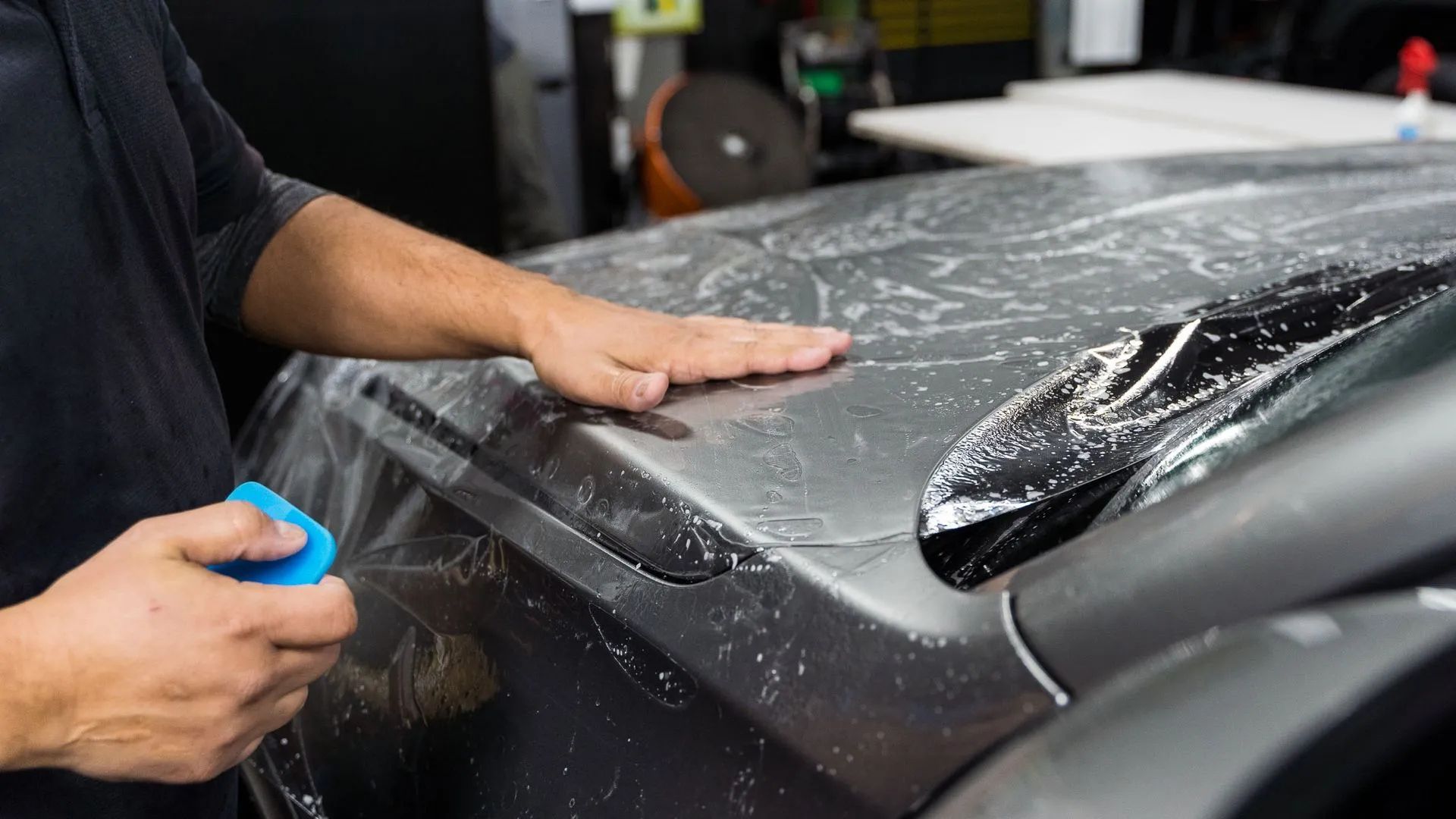
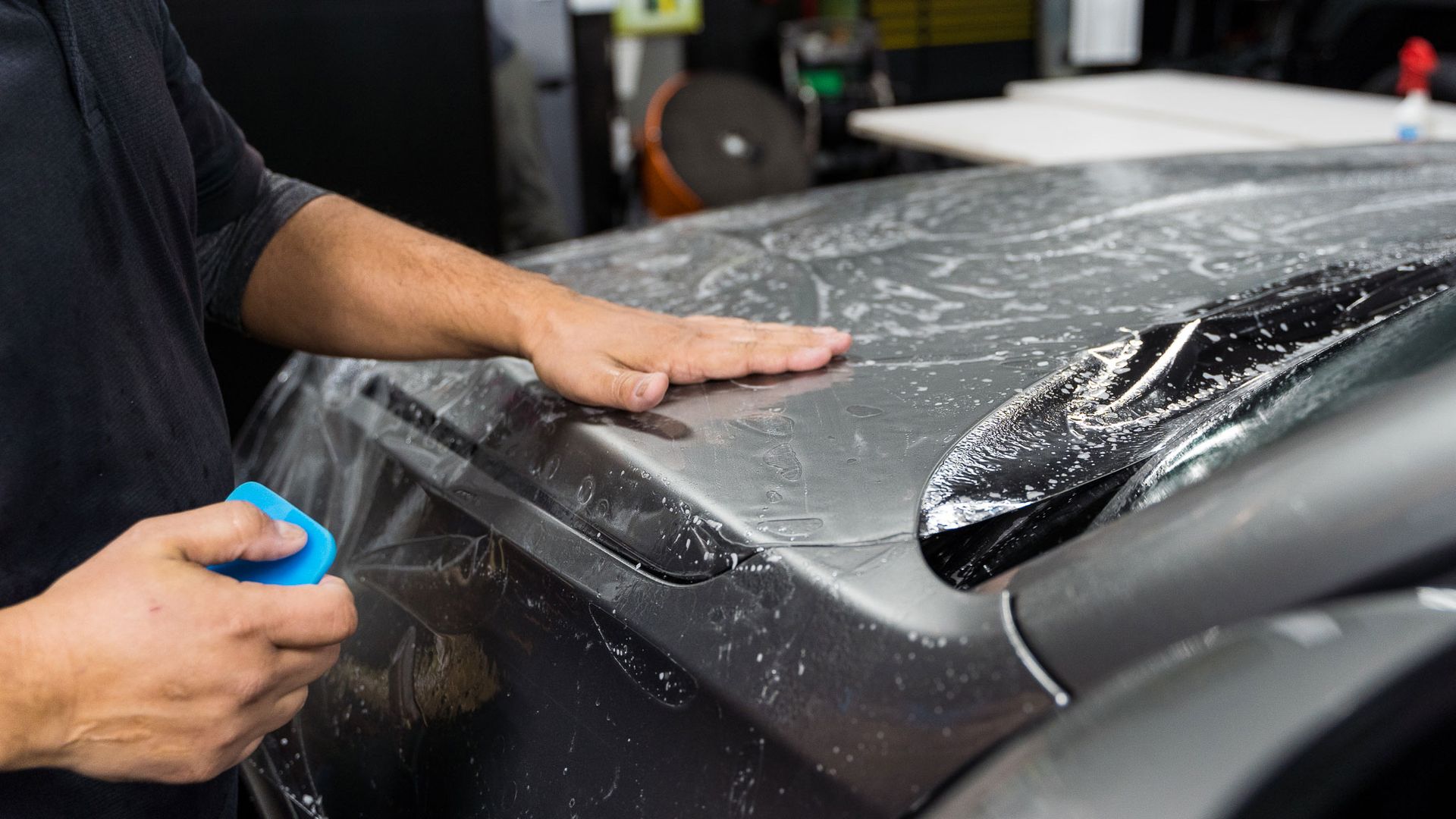
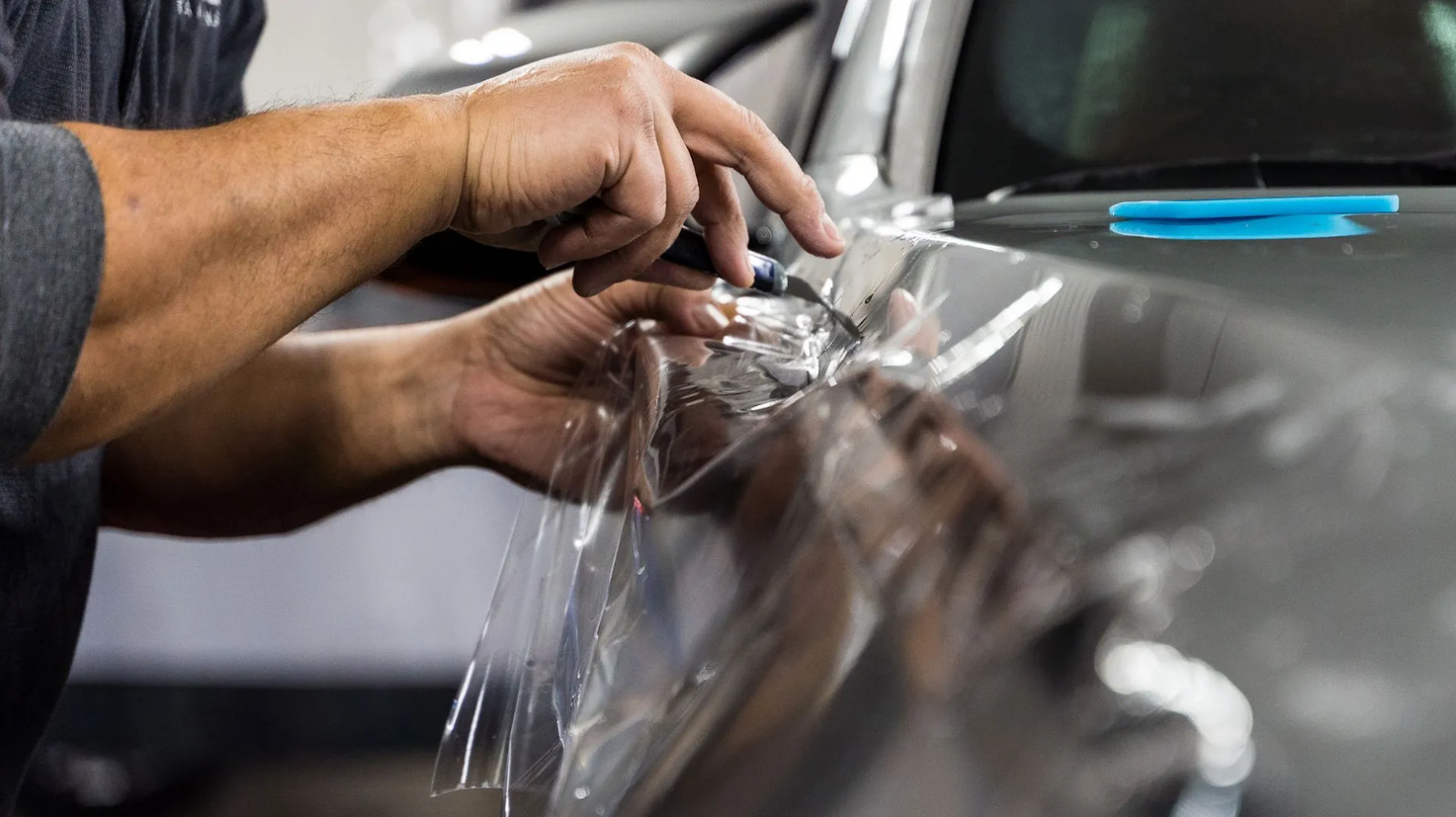
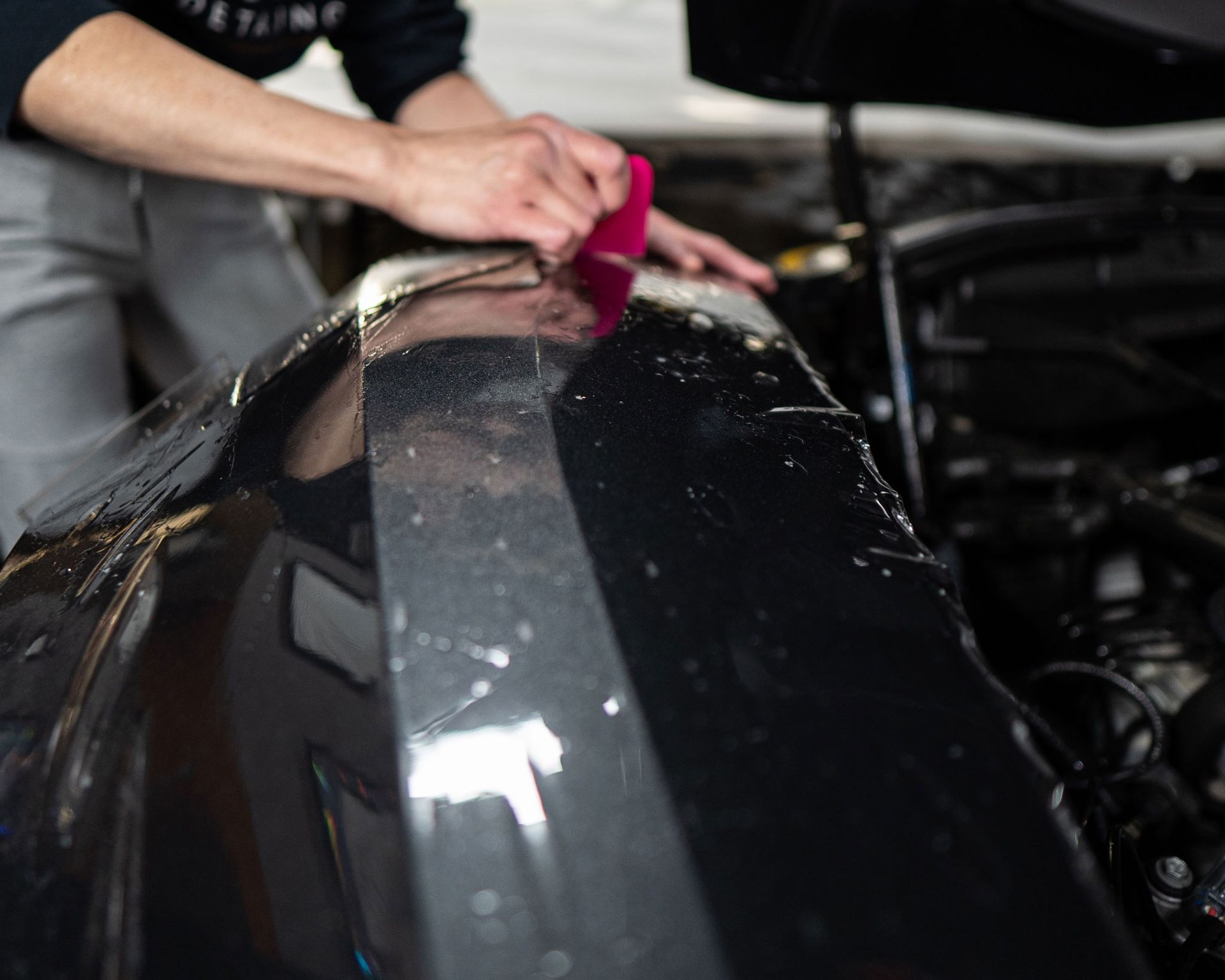
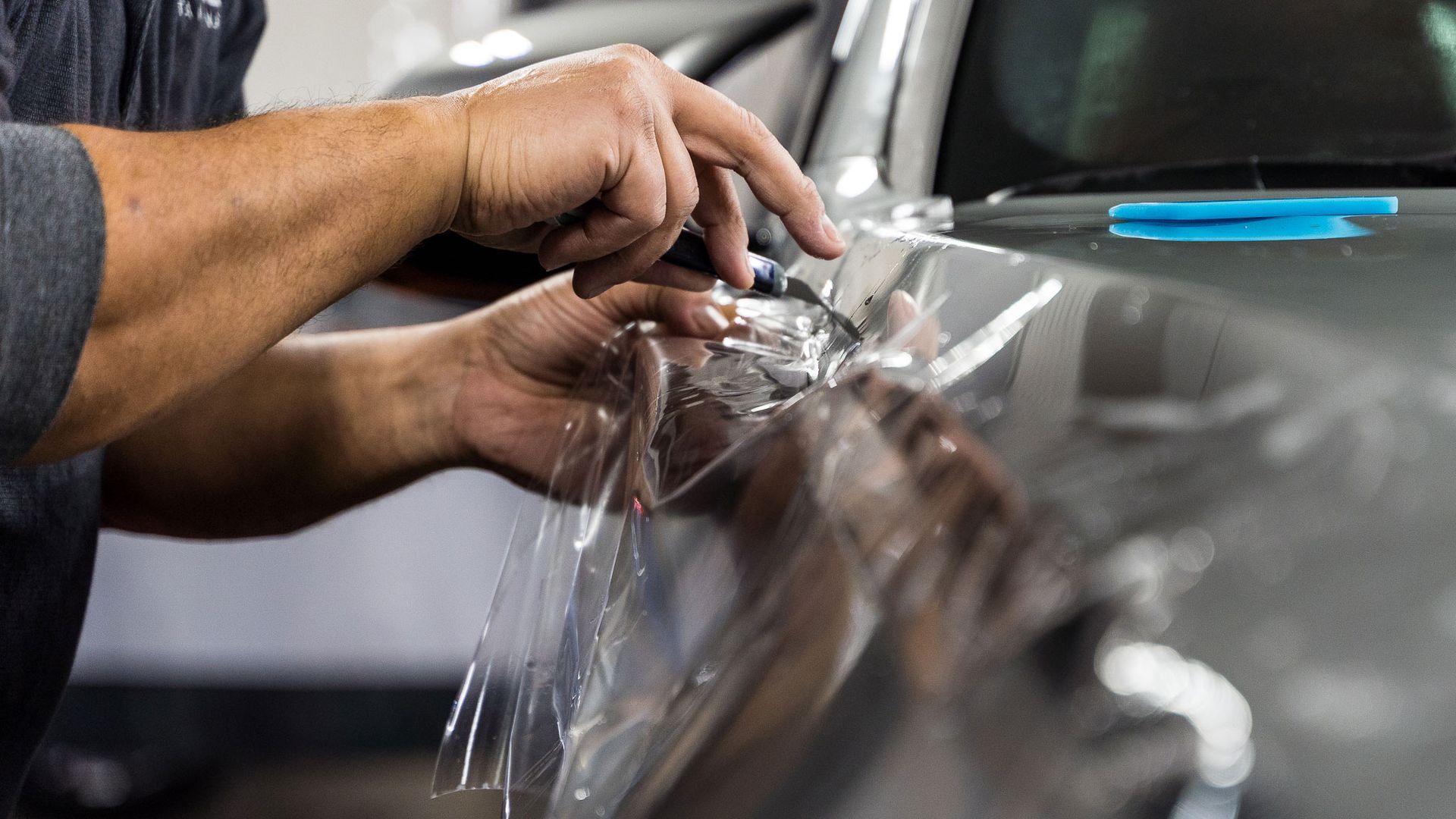
Paint protection film is exactly what the name suggests - a clear film applied to your vehicle's painted surfaces. This physical layer sits between your paint and the outside world, absorbing impacts that would otherwise damage your finish.
PPF characteristics:
- Clear protective film
- Physical barrier against impacts
- Self-healing properties for minor surface marks
- Applied to specific panels or areas
- Absorbs damage instead of your paint
At Georgetown Window Tint, we install XPEL
paint protection film with self-healing technology. The film absorbs impacts from road debris, and minor surface marks disappear when exposed to heat.
Ceramic Coating - Chemical Bond
Ceramic coating works completely differently. Rather than adding a physical layer, ceramic coating creates a chemical bond with your paint's surface, enhancing its protective properties and appearance.
Ceramic coating characteristics:
- Bonds to your paint surface
- Creates water-repelling surface
- Enhances appearance
- Covers entire vehicle surface
- Protects against environmental contaminants
Our ceramic coating service provides this chemical protection layer that repels water, resists contamination, and makes maintenance easier.
The Fundamental Difference
Understanding PPF vs ceramic coating starts with recognizing they address different threats. PPF stops physical damage. Ceramic coating protects against chemical and environmental damage while enhancing appearance.
Different protection types:
- PPF absorbs rock chips, road debris, minor impacts
- Ceramic coating repels water, resists contamination, blocks UV
- PPF is thicker physical protection
- Ceramic coating bonds to enhance paint surface
Neither replaces the other. They complement each other when used together.
Protection Comparison
What PPF Protects Against
Paint protection film excels at stopping physical damage. Anything that would chip, mar, or abrade your paint gets absorbed by the film instead.
PPF protection includes:
- Rock chips from highway driving
- Road debris impacts
- Bug splatter damage
- Minor parking lot contact
- Surface abrasions from everyday use
The self-healing properties mean minor marks on the film itself disappear with heat exposure. Your paint stays pristine underneath while the film handles the abuse.
What Ceramic Coating Protects Against
Ceramic coating excels at environmental protection. The water-repelling surface resists contaminants and makes cleaning easier.
Ceramic coating protection includes:
- Water and contaminant resistance
- Easier cleaning and maintenance
- Environmental protection
- UV protection
- Enhanced appearance preservation
The coating doesn't stop physical impacts but helps protect against environmental factors that affect paint over time.
What Neither Fully Addresses
Both products have limitations. Understanding these helps set realistic expectations.
PPF limitations:
- Doesn't cover entire vehicle (typically)
- Doesn't enhance gloss
- Doesn't make washing easier
- Doesn't protect unfilmed areas from contamination
Ceramic coating limitations:
- Doesn't stop rock chips
- Doesn't absorb physical impacts
- Doesn't prevent dents or damage from contact
- Can't heal surface marks
The protection gap is why many owners choose both - PPF on high-impact areas and ceramic coating everywhere.
Ideal Use Cases for Each
When PPF Makes Most Sense
Certain situations strongly favor paint protection film as the priority protection choice.
PPF priority situations:
- Highway commuters facing constant debris exposure
- New vehicles with pristine paint worth preserving
- High-value or exotic vehicles
- Owners who park in public lots frequently
- Anyone who has repaired rock chips before and wants prevention
If physical damage from road debris represents your primary concern, PPF directly addresses that threat. Our Essential Protection package covers front bumper and hood - the highest-impact zones. The Full Front Protection Package extends to mirrors, fenders, headlights, and fog lights.
When Ceramic Coating Makes Most Sense
Other situations favor ceramic coating as the starting point for vehicle protection.
Ceramic coating priority situations:
- Owners wanting easier maintenance
- Vehicles parked outdoors facing environmental exposure
- Anyone tired of water spots and contamination
- Drivers wanting enhanced appearance and gloss
- Budget-conscious protection for entire vehicle surface
Ceramic coating covers your entire vehicle while providing meaningful environmental protection and appearance enhancement.
Assessing Your Situation
The PPF vs ceramic coating decision depends on your specific circumstances. Consider these factors:
Your driving patterns:
- Highway driving increases debris exposure (favors PPF)
- Urban/suburban driving faces different threats
- Commute distance affects exposure level
Your parking situation:
- Garage storage reduces environmental exposure
- Outdoor parking increases contamination (favors ceramic)
- Public lots increase contact risk (favors PPF)
Your priorities:
- Physical damage prevention (favors PPF)
- Easier maintenance (favors ceramic)
- Enhanced appearance (favors ceramic)
- Maximum protection (favors both)
Your budget:
- Different coverage levels fit different budgets
- Strategic PPF plus ceramic offers balanced approach
- Either option beats no protection
Honest assessment of these factors guides appropriate recommendations.
Why Combining Both Offers Complete Protection
The Complementary Approach
Many vehicle owners discover that combining PPF and ceramic coating addresses all their protection concerns. This isn't upselling - it's recognizing that different threats require different solutions.
Combination benefits:
- PPF on high-impact areas stops physical damage
- Ceramic coating on remaining surfaces handles environmental threats
- Complete vehicle coverage against all common issues
- Easier maintenance across all surfaces
This approach protects high-risk areas from debris while enhancing and protecting the entire vehicle from environmental factors.
How the Combination Works
Combining products follows logical protection priorities.
Common combination approach:
- PPF on front bumper, hood, fenders, mirrors (impact zones)
- Ceramic coating on vehicle surfaces
- Protection against physical and environmental threats
- Enhanced appearance
The combination addresses both impact damage and environmental factors across your vehicle.
When Combination Makes Sense
The combination approach suits certain situations particularly well.
Combination ideal for:
- New vehicle owners wanting comprehensive protection
- Highway commuters with outdoor parking
- Anyone wanting maximum protection and easiest maintenance
- Vehicle enthusiasts prioritizing condition preservation
However, combination isn't required. Single-product approaches work well for many situations. The right choice matches your priorities and budget.
Decision Framework Based on Your Needs
Highway Commuter Assessment
If you drive significant highway miles, debris exposure ranks high. Consider your full situation:
High debris exposure signs:
- Long highway commutes
- Following trucks or commercial vehicles
- Rural roads with loose surfaces
- Previous rock chip repairs
Recommended approach:
- PPF on high-impact front areas prioritized
- Ceramic coating adds environmental protection
- Full Front Protection Package addresses primary threat
Urban Driver Assessment
City driving creates different exposure patterns. Consider your parking reality:
Urban driving factors:
- Parking lot frequency
- Street parking versus garage
- Short-trip urban driving
- Environmental contamination exposure
Recommended approach:
- Ceramic coating provides accessible whole-vehicle protection
- PPF on vulnerable areas if parking lot contact concerns exist
- Balance based on specific exposure patterns
New Vehicle Owner Assessment
Protecting new paint from day one offers maximum preservation value.
New vehicle considerations:
- Paint is pristine and worth preserving
- Protection investment preserves condition
- Starting with protection prevents accumulating damage
- Long-term ownership maximizes protection value
Recommended approach:
- Consider what threats concern you most
- PPF prevents physical damage from accumulating
- Ceramic coating simplifies maintenance and protects finish
- Combination provides comprehensive protection from start
Budget-Conscious Assessment
Limited budget doesn't mean no protection. Strategic approaches deliver meaningful value.
Budget priority approach:
- Essential Protection PPF covers highest-risk areas
- Ceramic coating provides whole-vehicle protection option
- Either choice beats unprotected paint
- Building protection over time works well
Both products deliver value. Choosing based on your primary concerns ensures budget goes where it matters most for your situation.
Making Your Decision
Questions to Answer
Clarifying your priorities helps determine the right PPF vs ceramic coating choice.
Ask yourself:
- What threatens my paint most - debris or environment?
- How do I park - garage, covered, or outdoor?
- How many highway miles do I drive?
- What matters more - impact protection or easier maintenance?
- What's my realistic budget for protection?
Your answers point toward appropriate recommendations.
Neither Choice Is Wrong
Both PPF and ceramic coating provide legitimate protection value. The question isn't which is "better" - it's which matches your needs.
Both products deliver:
- Real paint protection
- Long-term value
- Preserved vehicle condition
- Professional results when properly installed
Choosing based on your actual priorities ensures satisfaction with your investment.
Professional Installation Matters
Whatever you choose, professional installation affects results. Proper surface preparation, controlled application environment, and skilled technique ensure products perform as designed.
Installation considerations:
- Surface must be properly prepared
- Contaminants affect adhesion and bonding
- Technique affects appearance and durability
- Professional results require professional work
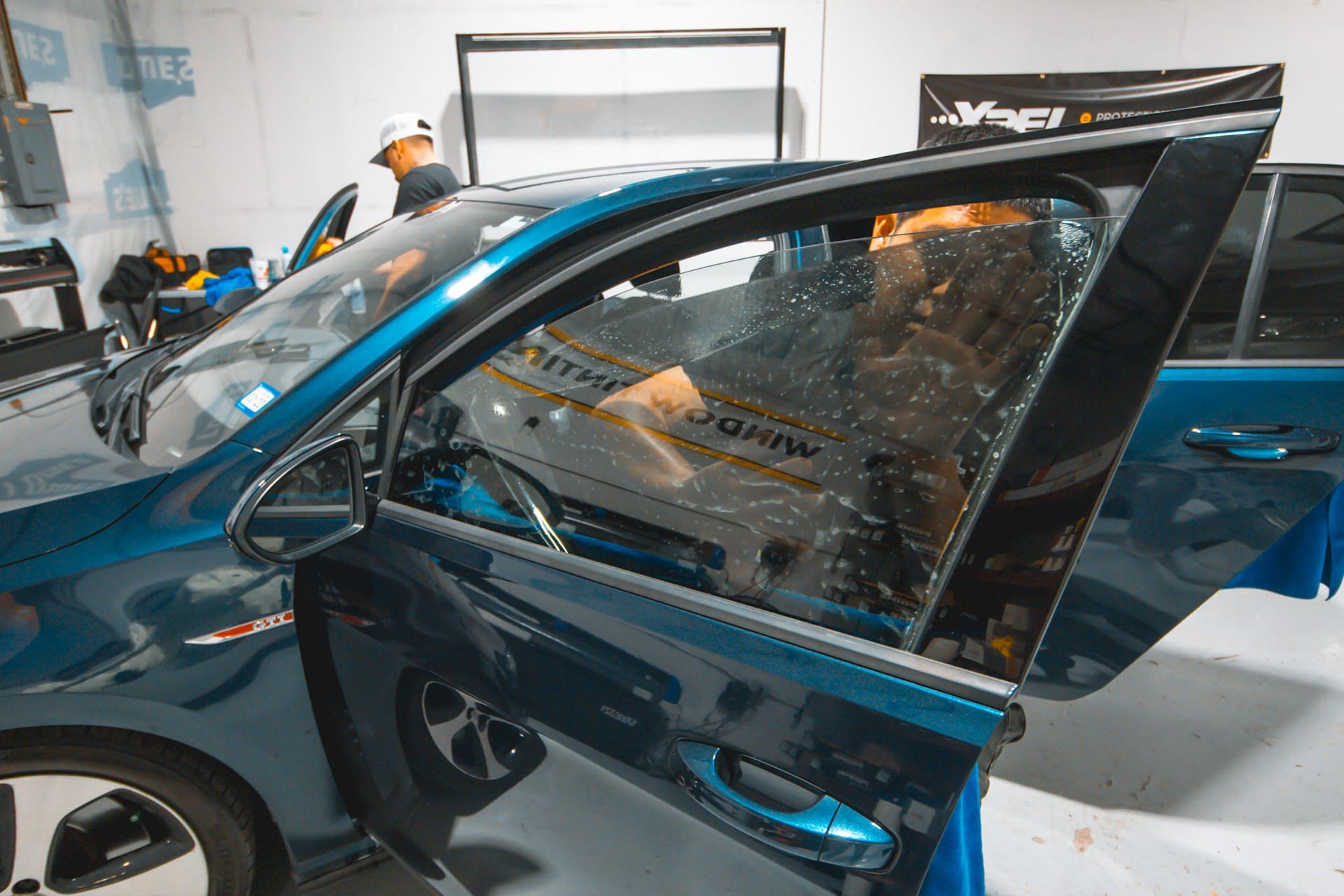
At Georgetown Window Tint, our climate-controlled facility and XPEL-certified technicians deliver proper installation for both PPF and ceramic coating.
Additional Considerations
Paint Correction Before Protection
If your vehicle has existing paint issues, paint correction before protection application ensures you're protecting restored surfaces. Both PPF and ceramic coating seal in current paint condition - good or bad.
Correction value:
- Addresses existing imperfections
- Ensures protection covers restored paint
- Maximizes appearance results
- Best possible protected condition
We can assess whether correction makes sense before applying protection.
Window Tinting Complements Protection
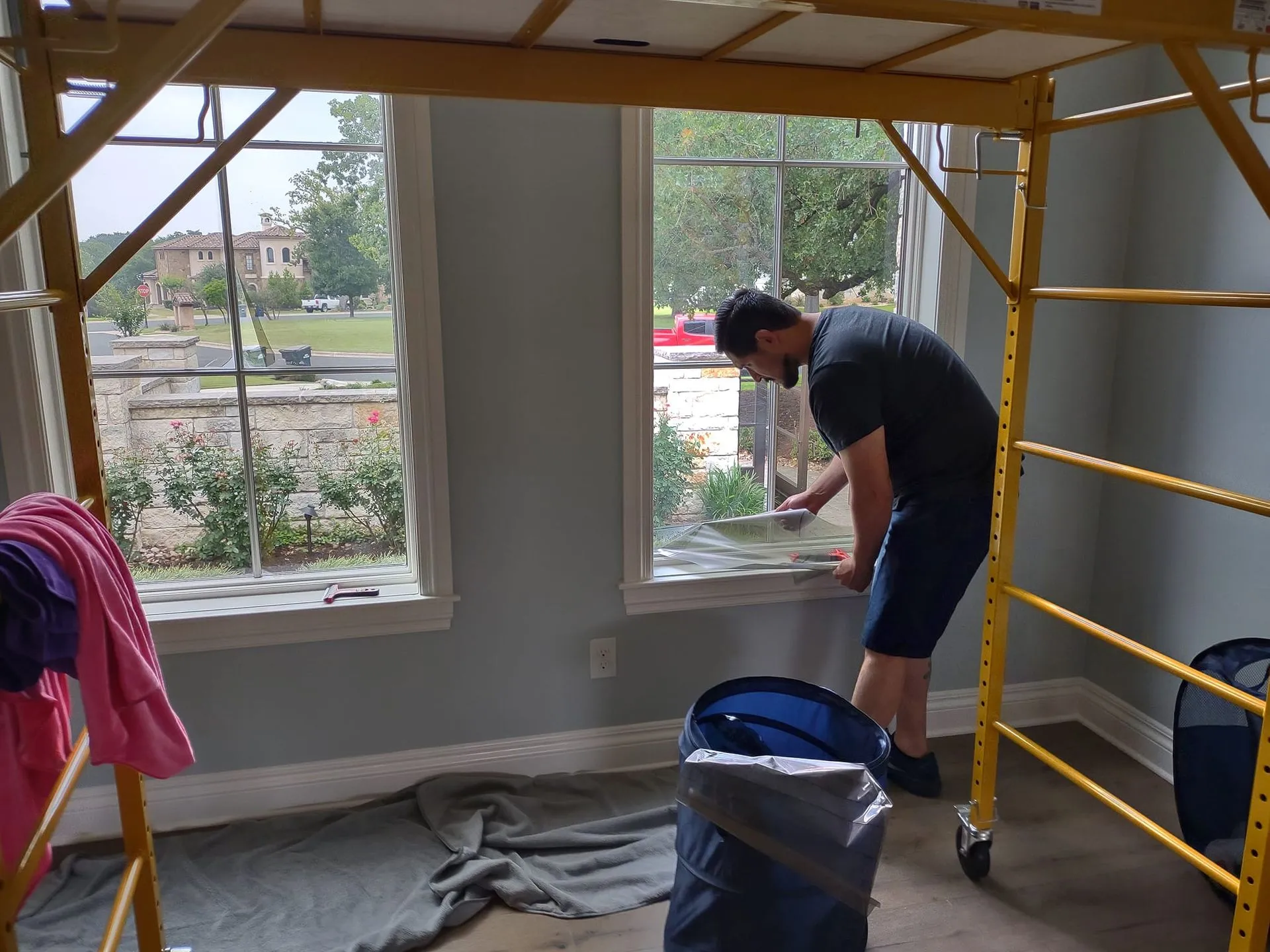
Beyond paint protection, ceramic window tinting addresses interior protection. Heat rejection, UV blocking, and interior preservation complement exterior paint protection.
Complete protection approach:
- PPF and/or ceramic coating for exterior
- Window tinting for interior protection
- Comprehensive vehicle care
We've served vehicle owners throughout Georgetown, Round Rock, Hutto, Liberty Hill, Jarrell, and Pflugerville since 2017 with complete protection services.
Finding Your Right Protection
The PPF vs ceramic coating question becomes clearer when you understand what each does and assess your specific situation. Physical damage threats point toward PPF. Environmental concerns point toward ceramic coating. Both threats point toward combination.
Key understanding:
- PPF stops physical impacts with physical barrier
- Ceramic coating protects against environment with chemical bond
- Neither is universally "better" - they serve different purposes
- Combining addresses all common threats
- Your situation determines the right choice
At Georgetown Window Tint, we help you understand options without pressure. Our consultative approach ensures recommendations match your actual needs rather than maximizing sales.
Not sure which protection is right for your vehicle? Schedule a free consultation and we'll create a custom protection plan that fits your needs and budget.
Visit our contact page to schedule your consultation. We'll assess your vehicle, discuss your priorities, and recommend protection that genuinely makes sense for your situation.
Frequently Asked Questions
Can ceramic coating replace paint protection film?
No, they protect against different threats. Ceramic coating creates a chemical bond that repels water, resists contamination, and enhances appearance. It doesn't stop rock chips or absorb physical impacts. Paint protection film creates a physical barrier that absorbs impacts. If your primary concern is debris damage, ceramic coating alone won't address it. Each product serves its specific purpose.
Is it worth getting both PPF and ceramic coating?
For many owners, the combination makes sense because it addresses all common protection concerns. PPF on high-impact areas stops physical damage while ceramic coating protects the entire vehicle from environmental factors. The combination isn't required for everyone - single-product approaches work well depending on priorities. Consider your primary threats, parking situation, and budget to determine if combination fits your needs.
Which should I get first if I can only afford one right now?
Choose based on your primary concern. If rock chips and road debris worry you most, prioritize PPF on high-impact areas like front bumper and hood. If easier maintenance and environmental protection matter more, start with ceramic coating. You can add the other product later. Both deliver meaningful protection value, so either choice improves your situation compared to unprotected paint.
How long do PPF and ceramic coating each last?
Both products are designed for long-term performance when professionally installed. XPEL paint protection film with self-healing properties maintains protection over extended periods. Ceramic coating creates durable chemical bonds with your paint surface. Actual longevity depends on exposure conditions and maintenance. Professional installation ensures you receive the full performance potential from either product.